Nearly one in five New Yorkers lives with a mental health or substance use condition, yet 945,000 adults had unmet needs in 2023 alone. That gap is not just a statistic. It shows up in subway cars, in classrooms, in family dinners where nobody says a word. Mental health touches every borough, every community, every income level. And still, too many people stay silent because they don’t know where to start or they’re afraid of what others will think. This guide is here to change that. We’ll break down what mental health really means in NYC, look honestly at the barriers people face, and point you toward real resources and support.
Table of Contents
- What mental health means in NYC
- Barriers New Yorkers face in seeking mental health care
- Schizophrenia and serious mental illness: NYC realities
- Resources and emergency support for New Yorkers
- Challenging stigma and fostering community support
- A New Yorker’s perspective: What actually helps challenge stigma?
- Connect to support and join the movement
- Frequently asked questions
Key Takeaways
| Point | Details |
|---|---|
| High prevalence | One in five New Yorkers face mental health challenges, and five percent live with serious mental illness. |
| Major barriers | Cost, stigma, and lack of information keep many from accessing the mental health care they need. |
| Targeted resources | NYC connects people to crisis and ongoing support through 988, ACT teams, supportive housing, and clinics. |
| Stigma reduction works | Local campaigns and community conversations are crucial for breaking barriers and fostering inclusion. |
What mental health means in NYC
Mental health is your emotional, psychological, and social well-being. It shapes how you think, feel, and act every single day. It affects how you handle stress, how you connect with others, and the choices you make. Good mental health doesn’t mean feeling happy all the time. It means having the tools to cope, grow, and function in your life.
In NYC, mental health challenges are incredibly common. The NYC Wellness Survey, drawing on over 43,000 responses, found that 23.9% of New Yorkers reported a lifetime mental health diagnosis. Anxiety was the most common at 18.4%, followed by depression at 10.8%. Unmet needs were highest in under-resourced communities, meaning the people who need help the most often have the hardest time getting it.
Within the broader category of mental health, there’s a subset called serious mental illness, or SMI. SMI refers to conditions that significantly interfere with daily functioning and life activities. Schizophrenia, bipolar disorder, and severe major depression all fall under this label. About 5% of NYC adults live with SMI, including schizophrenia. That’s hundreds of thousands of people navigating some of the most complex mental health challenges imaginable, often without enough support.
Here’s a quick look at how common different diagnoses are across NYC:
| Diagnosis | Estimated prevalence in NYC adults |
|---|---|
| Any mental health diagnosis | 23.9% (lifetime) |
| Anxiety disorders | 18.4% |
| Depression | 10.8% |
| Serious mental illness (SMI) | ~5% |
| Schizophrenia (within SMI) | Subset of SMI |

The difference between general mental health struggles and SMI matters a lot. Someone managing everyday anxiety has different needs than someone living with schizophrenia. Both deserve support, but the level of care, the type of services, and the social challenges involved are very different. Michelle Hammer, founder of Schizophrenic.NYC and a schizophrenia activist, has lived that difference firsthand. Her story is a reminder that people with SMI are not defined by their diagnosis.
Common mental health conditions seen across NYC communities include:
- Anxiety disorders (generalized anxiety, panic disorder, social anxiety)
- Major depressive disorder
- Bipolar disorder
- Schizophrenia and schizoaffective disorder
- Post-traumatic stress disorder (PTSD)
- Substance use disorders, often co-occurring with other conditions
Understanding these distinctions is the first step toward finding the right kind of help.
Barriers New Yorkers face in seeking mental health care
Knowing you need help and actually getting it are two very different things in New York City. The system can feel overwhelming, expensive, and frankly intimidating. And for many communities, there’s an added layer of shame that makes it even harder to take that first step.
A city report on treatment barriers found that 48% of New Yorkers with unmet mental health needs thought they could handle it on their own, 39% cited cost, and 37% didn’t know where to go. Stigma, meaning the shame and judgment people feel around mental illness, was especially high among immigrants, low-income New Yorkers, and people of color. Over half of those with unmet needs faced multiple barriers at the same time.
14% of NYC adults, nearly 945,000 people, had unmet mental health needs in 2023. That’s not a small number. That’s a city within a city.
Here’s a breakdown of the most common barriers and what can actually help:
| Barrier | Who it affects most | Practical solution |
|---|---|---|
| Cost | Low-income, uninsured | NYC Health+Hospitals sliding-scale care, Medicaid |
| Stigma | Immigrants, men, communities of color | Community-based support, peer advocates |
| Not knowing where to go | First-time help-seekers | 988 hotline, primary care referrals |
| Language access | Non-English speakers | 988 offers 200+ languages, bilingual providers |
| Distrust of systems | Marginalized communities | Peer-led programs, community health workers |
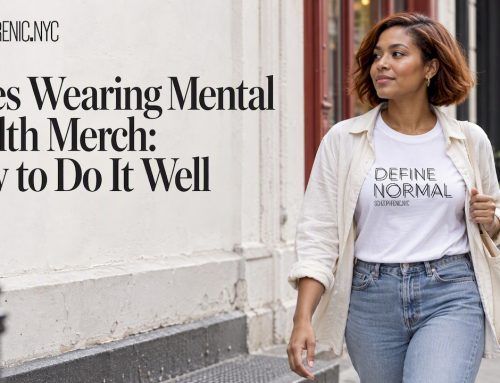
Stigma is not just a personal problem. It’s a structural one. When mental illness is treated as a character flaw or a source of shame, people delay care for years. That delay has real consequences, especially for conditions like schizophrenia where early intervention makes a major difference. Wearing your values openly, like through a mental health clothing line that sparks conversation, can be one small but powerful way to push back on that silence.

Pro Tip: If you’re not sure where to start, try your primary care doctor first. They can screen for mental health conditions and refer you to local services. It’s a low-pressure entry point that many people overlook.
If you want to support efforts that help people overcome these barriers, you can donate to mental health efforts that fund advocacy and awareness work in NYC communities.
Schizophrenia and serious mental illness: NYC realities
Schizophrenia is one of the most misunderstood conditions in mental health. It’s often portrayed in movies as violent or unpredictable, but the reality is far more nuanced. People with schizophrenia experience symptoms like hallucinations, delusions, disorganized thinking, and difficulty with motivation. With the right support, many people live full, meaningful lives.
In NYC, about 5% of adults have SMI, and the consequences of inadequate care are serious. People with SMI die 13 to 16 years younger than the general population, with a mortality rate more than twice as high (a standardized mortality ratio of 2.2). That’s not inevitable. It reflects gaps in care, housing instability, poverty, and the compounding effects of stigma.
Key data on SMI in NYC:
| Indicator | SMI population | General population |
|---|---|---|
| Prevalence in NYC adults | ~5% | 100% |
| Average years of life lost (YPLL) | 13 to 16 years earlier | Baseline |
| Standardized mortality ratio | 2.2x higher | 1.0 |
| Comorbid substance use disorder | High rate | Lower rate |
Certain groups face even greater vulnerability. Immigrants with SMI often have less access to culturally appropriate care. People experiencing homelessness are disproportionately represented among those with untreated schizophrenia. And substance use disorders frequently co-occur with SMI, making treatment more complex.
If you or someone you love is dealing with schizophrenia or another SMI in NYC, here are steps to take:
- Call 988 for immediate guidance and referrals to local services.
- Contact NYC Health+Hospitals to find outpatient mental health clinics near you.
- Ask about Assertive Community Treatment (ACT) teams, which provide intensive, community-based support.
- Look into supportive housing programs if stable housing is a concern.
- Connect with peer advocates who have lived experience with SMI.
You can learn more about what it actually looks like to live with schizophrenia through lived experience stories from Michelle Hammer and others who’ve navigated this journey. And if you want to help fund the work that keeps these conversations going, consider supporting mental health advocacy in NYC.
Resources and emergency support for New Yorkers
When someone is in crisis, knowing exactly who to call can save a life. NYC has several critical resources available right now, and they’re more accessible than most people realize.
For immediate support: Call or text 988 for 24/7 confidential counseling, suicide prevention support, and referrals. The 988 Suicide and Crisis Lifeline is available in over 200 languages. If someone is in immediate physical danger, call 911.
Here’s a quick list of where to start, depending on your situation:
- In crisis right now: Call or text 988, available 24/7
- Need ongoing mental health care: NYC Health+Hospitals clinics, sliding-scale fees available
- Living with SMI or schizophrenia: Ask about ACT teams and supportive housing through the NY Office of Mental Health
- Prefer telehealth: Many NYC providers now offer virtual sessions, often covered by Medicaid
- Need help navigating the system: Community health workers and peer advocates can guide you step by step
- Not sure where to start: Your primary care provider is a great first contact
For longer-term support, Assertive Community Treatment (ACT) teams are one of the most effective models for people with SMI. ACT teams include psychiatrists, social workers, nurses, and peer specialists who work together to support someone in their community, not just in a clinic. Supportive housing programs, like those under the NY/NY III agreement, provide stable housing paired with mental health services.
Pro Tip: Before your first appointment, write down your symptoms, when they started, and any medications you’ve tried. This makes it easier for providers to help you quickly and reduces the back-and-forth that can slow things down.
Schizophrenic.NYC also hosts community events and pop-ups across the city. Check out NYC pop-up events to find a space where mental health is talked about openly and without judgment.
Challenging stigma and fostering community support
Stigma is the negative attitude, shame, or discrimination directed at people with mental illness. It’s one of the biggest reasons people don’t seek help. And in NYC, despite being one of the most progressive cities in the world, stigma is still very much alive.
The OMH Anti-Stigma Fund and the Mayor’s Office have launched campaigns focused on education and community dialogue. These efforts specifically target young adults, men, and Latino, Asian, and immigrant communities, where stigma tends to be highest. Community leaders and trusted voices play a central role in shifting attitudes because people listen to those they already trust.
Reducing stigma isn’t just about awareness campaigns. It’s about creating spaces where people feel safe enough to say, “I’m struggling,” without fear of judgment.
Here are actions you can take right now to reduce stigma in your community:
- Talk openly about mental health with friends and family
- Use respectful language, saying “person with schizophrenia” rather than “schizophrenic” as a label
- Share stories from people with lived experience to humanize the issue
- Challenge misinformation when you hear it, calmly and with facts
- Support local organizations doing anti-stigma work in NYC
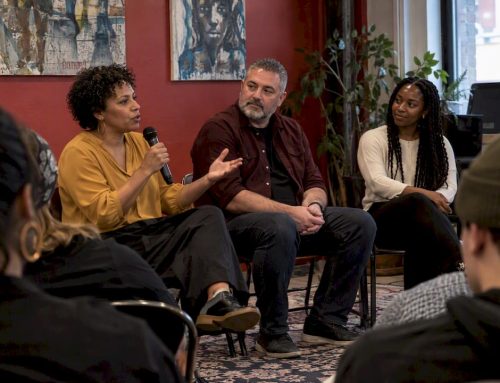
- Show up to community events, panels, and conversations about mental health
Youth are especially powerful in this work. When young people talk openly about mental health, they shift the culture for everyone around them. The same goes for men, who are statistically less likely to seek help but equally affected by mental illness. Visibility matters. When people see others living full lives with mental health conditions, it makes it easier to ask for help. See how Schizophrenic.NYC has been featured in media conversations pushing this visibility forward.
A New Yorker’s perspective: What actually helps challenge stigma?
Here’s something I’ve learned from years of doing this work: top-down campaigns are not enough on their own. You can run ads on the subway and hand out pamphlets, but real stigma reduction happens face to face. It happens when someone you respect says, “I have schizophrenia, and I’m doing okay.” It happens when art makes you feel something before you even realize you’re thinking about mental health.
The mistake a lot of people make is thinking stigma is someone else’s problem. It’s not. It lives in the jokes we laugh at, the words we use without thinking, the way we cross the street. Changing that takes personal action, not just policy.
What actually moves the needle? Real faces. Real stories. Community dialogue that doesn’t sanitize the hard parts. Sharing personal mental health stories from people who’ve been through it is more powerful than any statistic. When you see someone thriving with schizophrenia, it rewrites the story in your head. That’s the kind of change that lasts.
Connect to support and join the movement
If this guide has resonated with you, there’s a next step waiting. Schizophrenic.NYC was built to do exactly what this article is trying to do: make mental health visible, reduce stigma, and create community.

From bold mental health tank tops that spark conversations on the street to advocacy content from Michelle Hammer, a New Yorker living openly with schizophrenia, the Schizophrenic.NYC platform is a place to connect, learn, and take action. Whether you’re looking for support, want to support others, or simply want to show the world that mental health matters, you belong here. Come find your people.
Frequently asked questions
What should I do in a mental health crisis in NYC?
Call or text 988 for 24/7 confidential support in over 200 languages, or call 911 if there is immediate physical danger.
How common is serious mental illness like schizophrenia in NYC?
About 5% of NYC adults have a serious mental illness, including schizophrenia, meaning hundreds of thousands of New Yorkers are navigating SMI every day.
What are the main barriers to mental health care in NYC?
Cost, stigma, and not knowing where to go are the most common barriers, with stigma especially high among immigrants, low-income New Yorkers, and people of color.
What resources exist for people living with schizophrenia or SMI in NYC?
ACT teams, supportive housing, and NYC Health+Hospitals clinics offer ongoing, community-based support tailored to people with serious mental illness.
How is stigma around mental health being addressed in NYC?
NYC’s Mayor’s Office and the OMH Anti-Stigma Fund lead education and community dialogue campaigns, with a focus on groups where stigma is highest.
Recommended
- Schizophrenic.NYC: NYC’s Premier Mental Health Awareness Clothing Brand
- About Michelle Hammer | Schizophrenic.NYC
- Donate | Schizophrenic.NYC Mental Health Clothing Brand
- Mental Health Clothing line | Schizophrenic.NYC
Article generated by BabyLoveGrowth