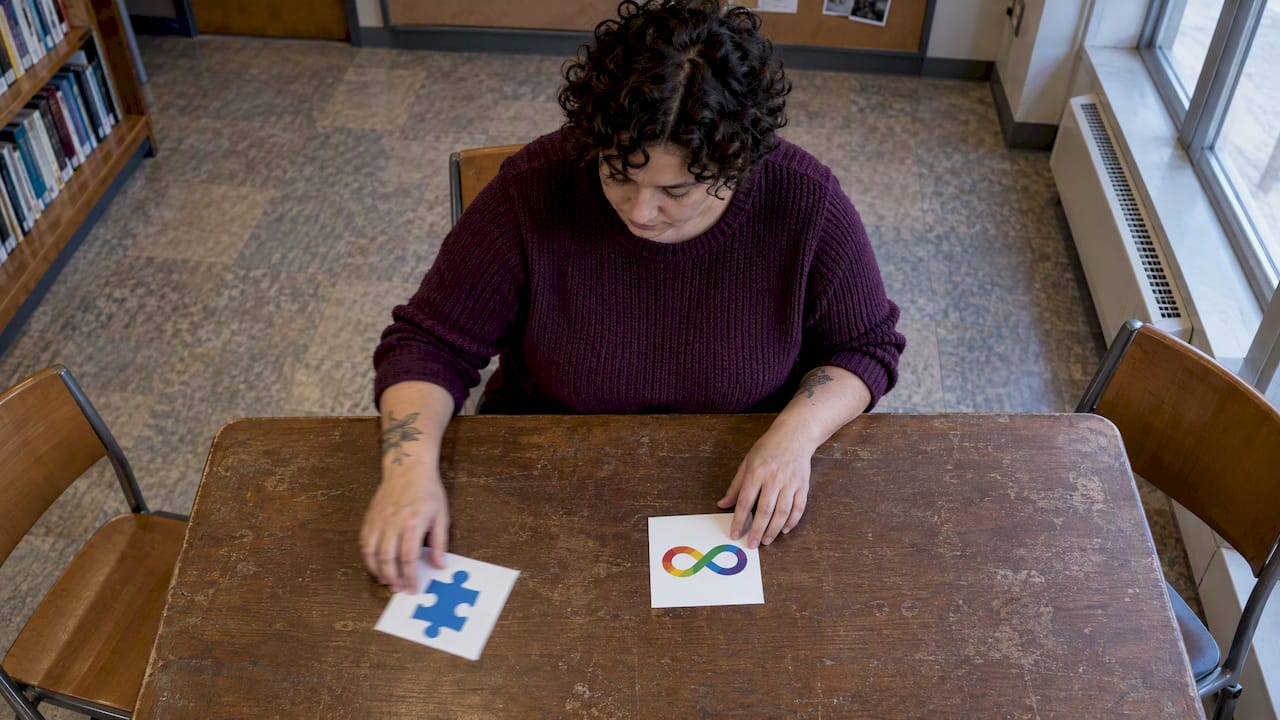
Neurodiversity Symbols: Why Activists Rejected the Puzzle Piece
Learn what rainbow and gold infinity symbols mean, how autistic advocates created a community led alternative in 2005, and why many reject the puzzle piece.

Learn what rainbow and gold infinity symbols mean, how autistic advocates created a community led alternative in 2005, and why many reject the puzzle piece.
Choose heather or solid tees for daily wear or printed advocacy. Learn how blends, dye migration, and labels affect print clarity.
Use research backed, lived experience vetted schizophrenia hashtags to reduce stigma. Copy-paste shortlist, Instagram vs Facebook tips, and safety rules.
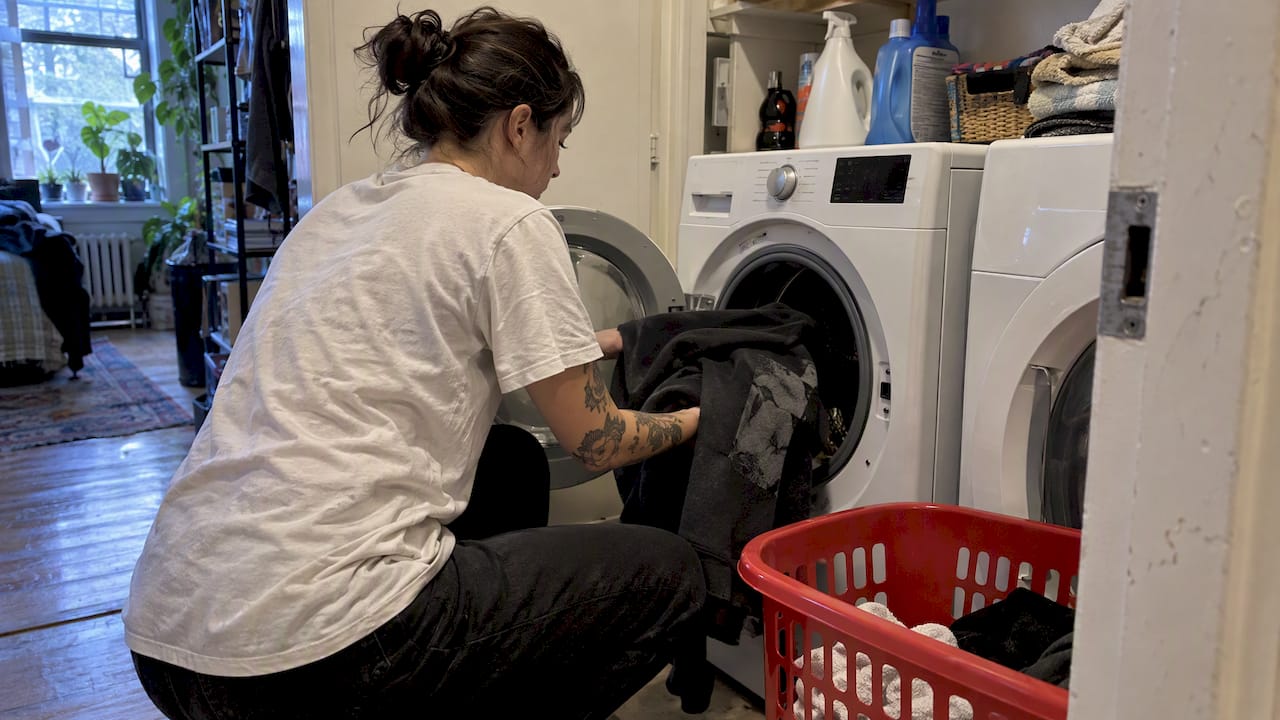
Learn a fabric first routine to prevent shrinkage and fading: wash cold inside out on a gentle cycle, reshape while damp, then air dry or 10 minutes low heat.
Tests often show lower creativity scores in schizophrenia, yet population and genetic studies link relatives to artistic careers. See why treatment, art,...
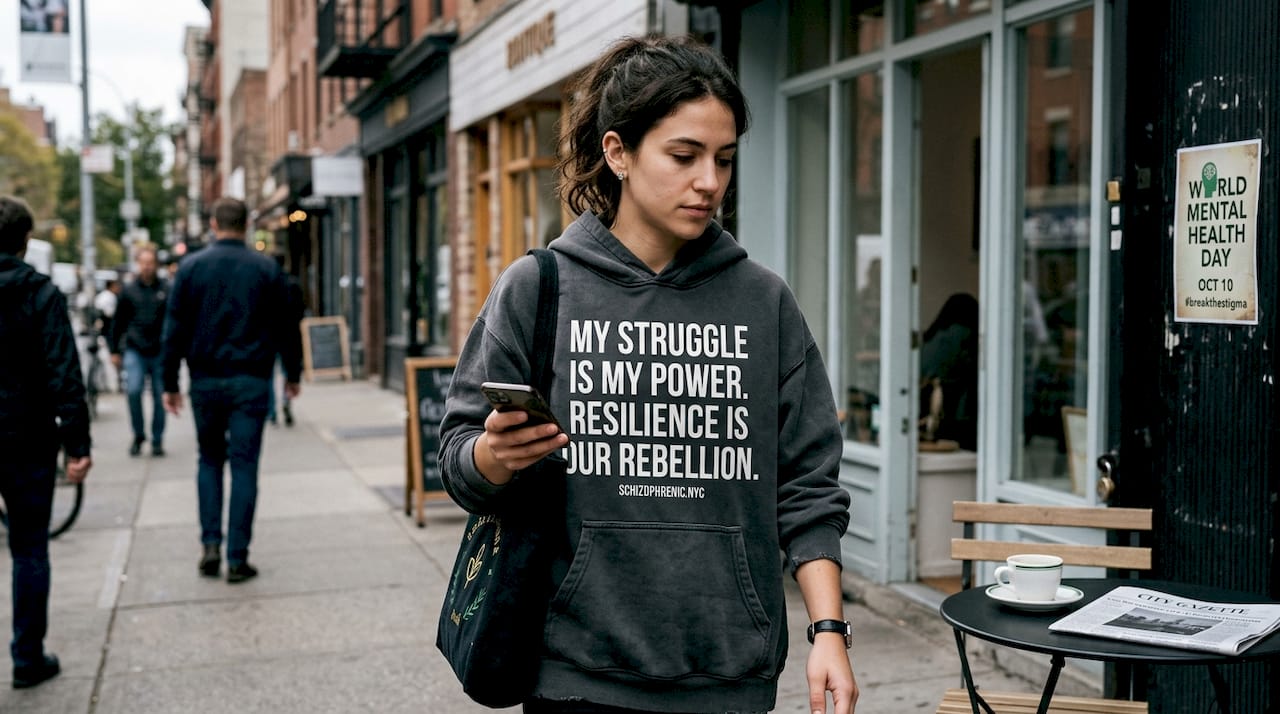
Comfortable, advocacy-first looks for walks, wear green days, fashion shows, and volunteer shifts. Add a ribbon or QR code to start conversations.
Learn why pre shrunk cotton commonly shows 2–5% residual shrinkage, how mill finishes and AATCC testing affect fit, and laundry steps to keep tees holding...
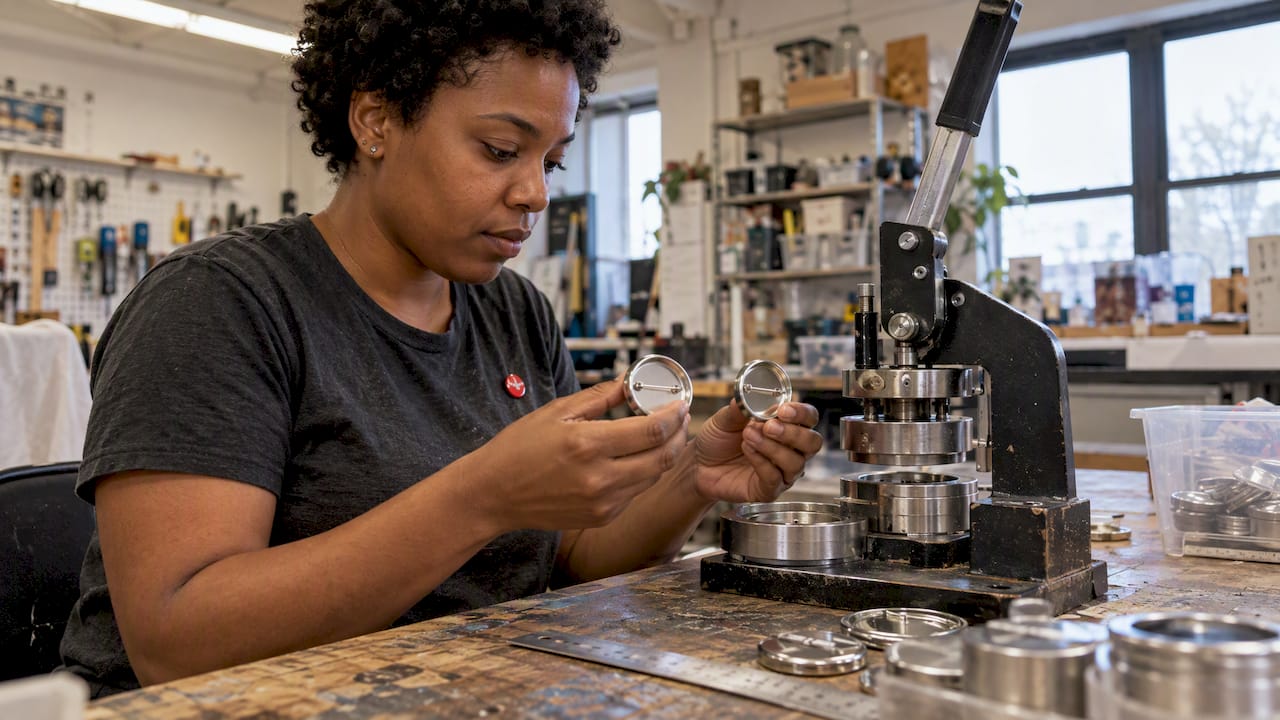
Get button pin sizes right. Learn finished versus cut sizes, bleed, and why 57.15mm versus 58mm tooling can ruin a run. Check templates.
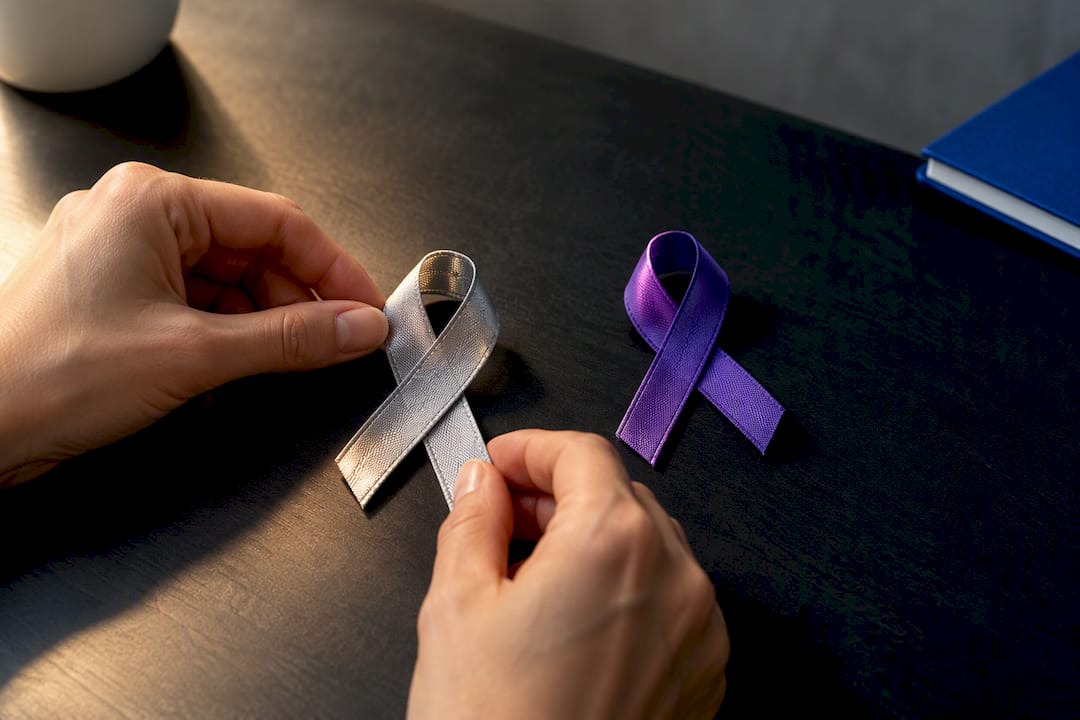
Silver is the institutional ribbon for schizophrenia awareness, though some campaigns use purple. Practical, research-backed tips to use color with clear...
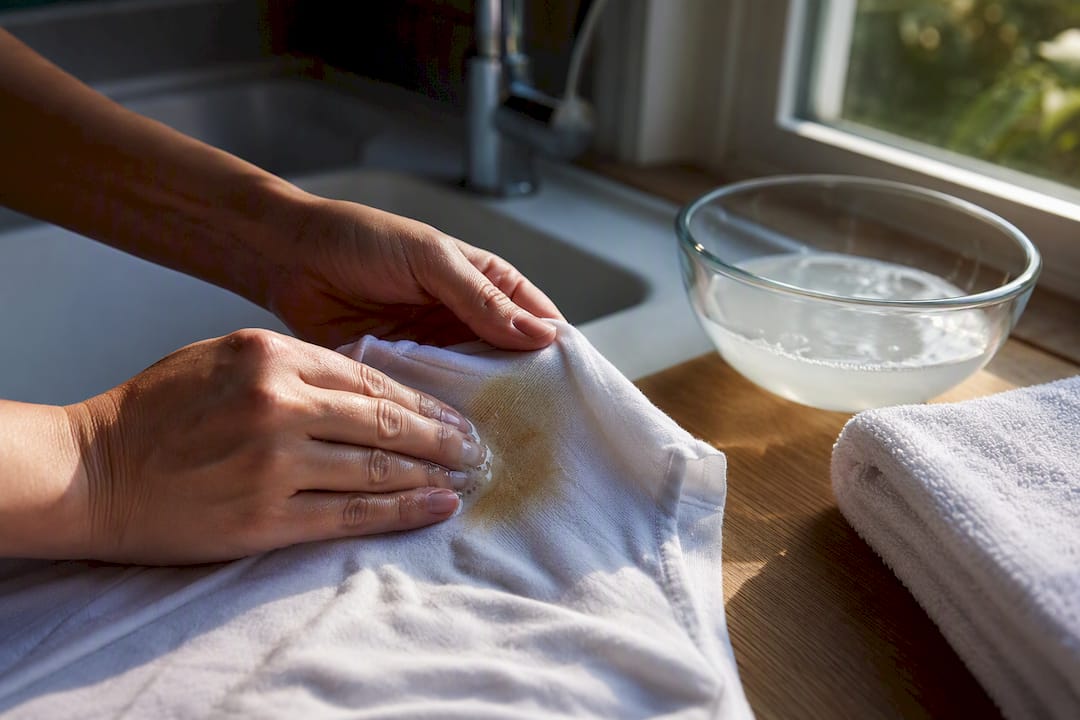
Fabric-first steps to remove fresh white marks and set-in yellow deodorant stains from shirts. Safe soaks, patch tests, and a clear inspection-to-wash...
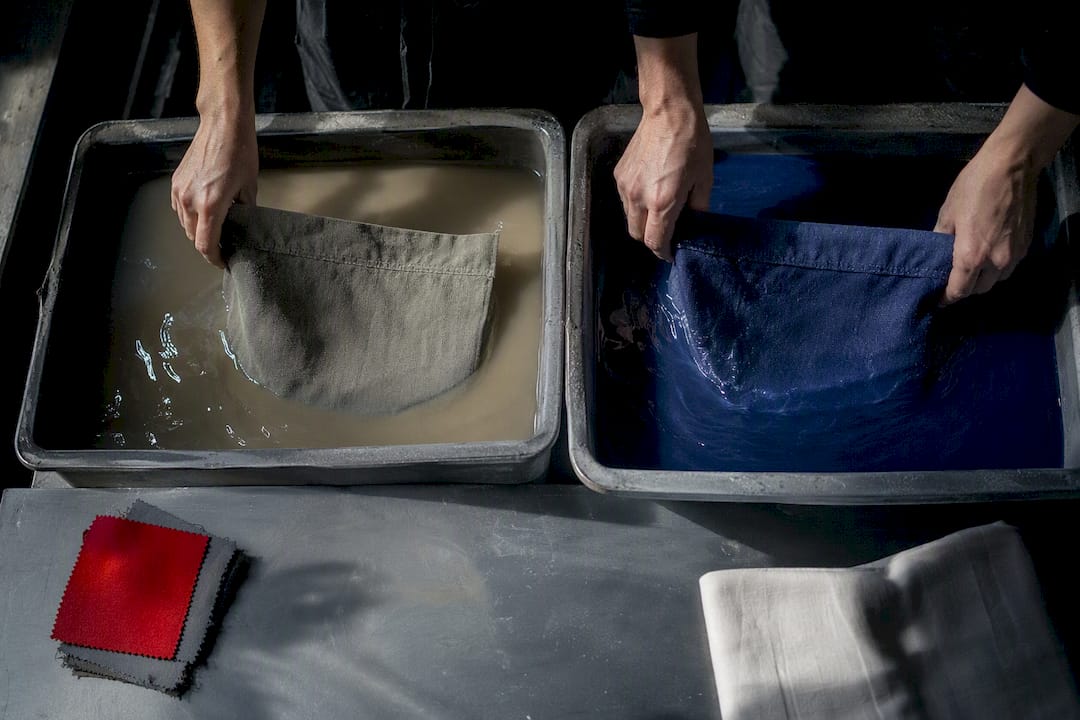
Compare garment and pigment dye processes to pick the right look, durability, and print compatibility for small brands and advocacy apparel.
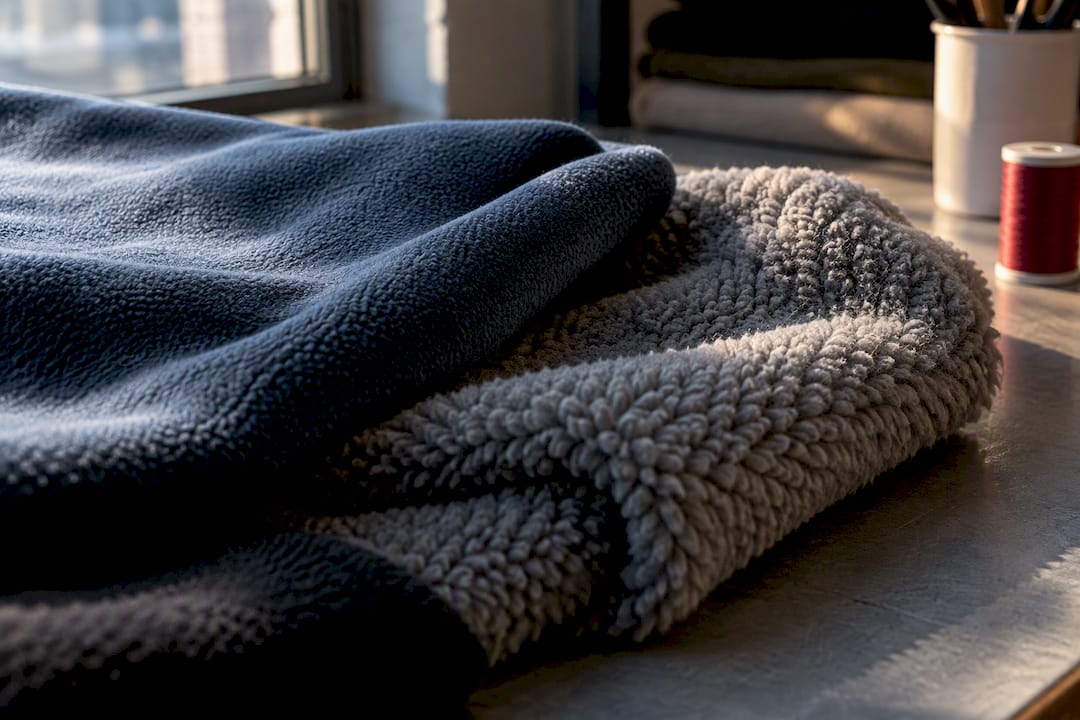
Learn how fleece weight (Micro, 100, 200, 300 series) and pile height determine warmth and use. Choose the right fleece for travel, layering, or advocacy...
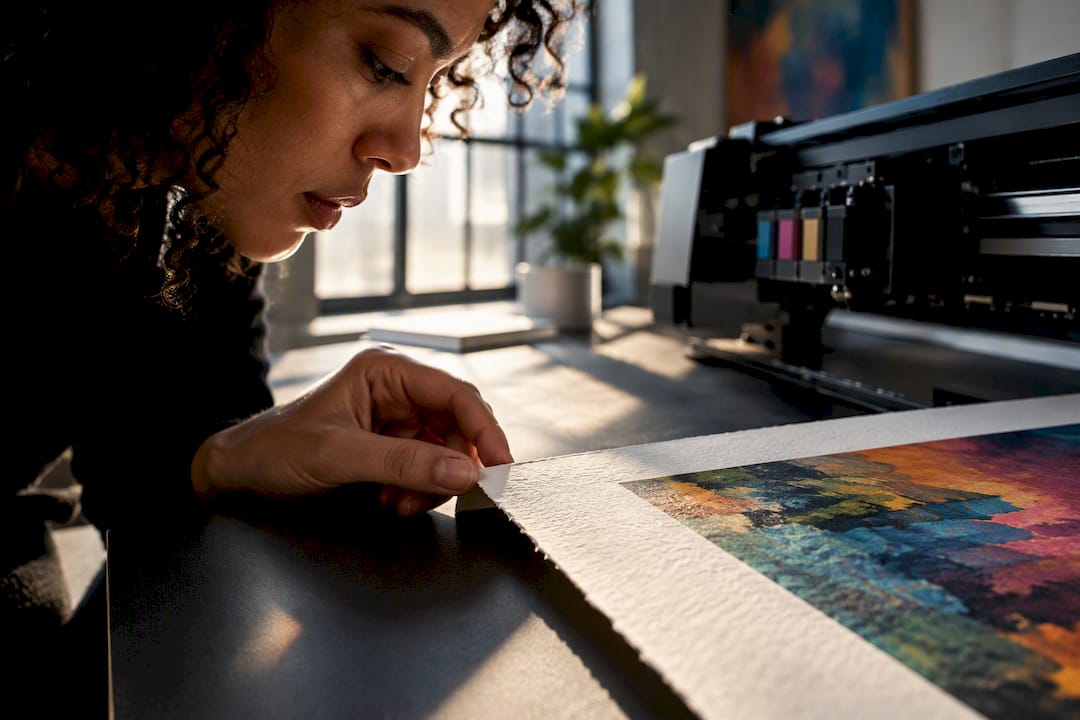
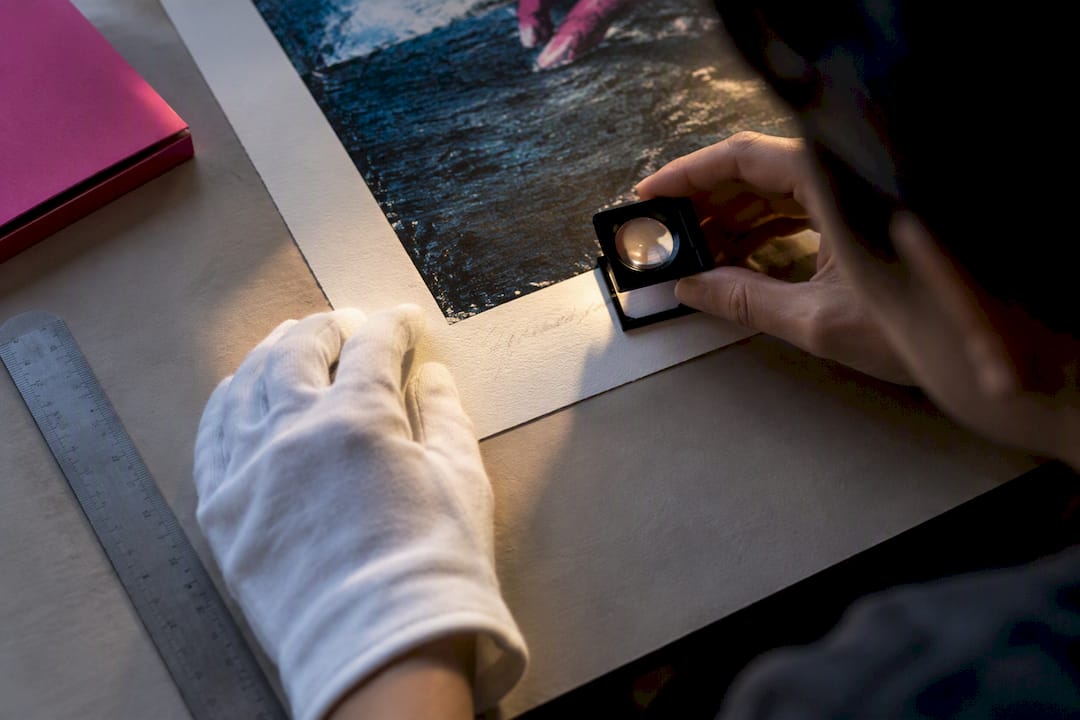
Compare giclée and art prints by ink, substrate, and longevity. Learn to verify giclée claims, pick the right format, and protect it.
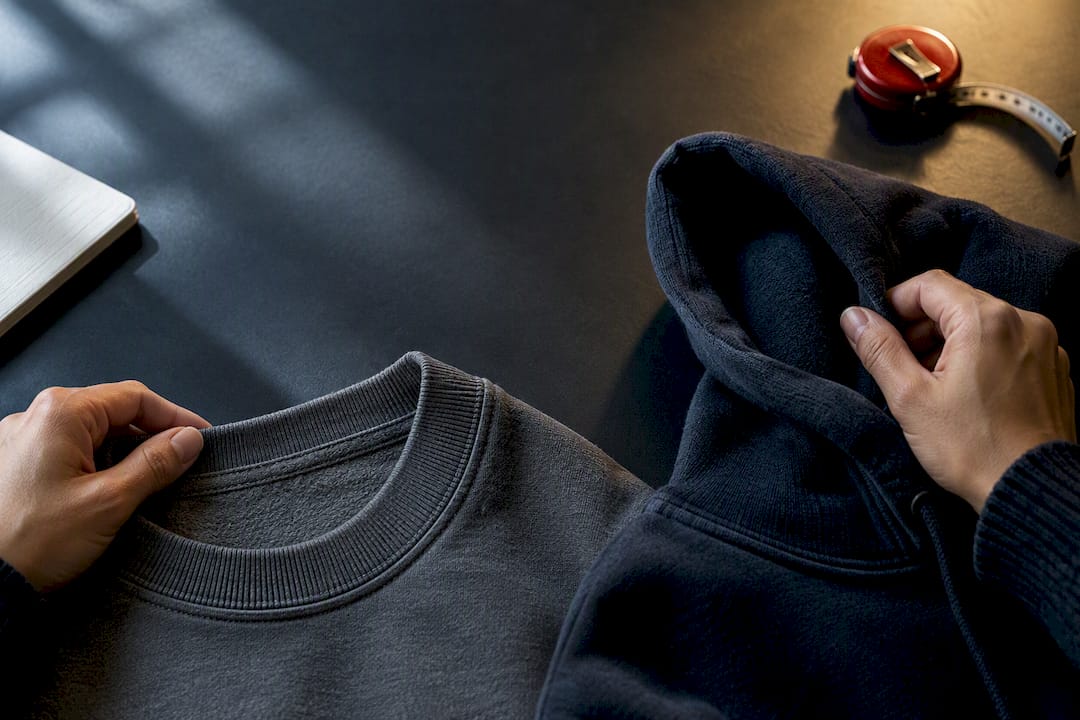
Choose a crewneck or hoodie by matching GSM, fit, and silhouette to your wardrobe. See when fabric weight beats a hood and how graphics read.
Decide between tri blend and cotton for advocacy tees. See which keeps prints sharp after 20 washes, how each feels, and read fiber labels.
Learn how to verify signed, numbered limited edition art prints, protect their condition, and preserve resale value — with a real artist example to follow.
Clinical evidence and survivor voices separate schizophrenia from "split personality." Learn how clinicians diagnose, why treatments differ, and how...
Discover what mental health-themed fashion is, its impact on advocacy, and how it transforms clothing into a conversation starter. Explore this movement now!
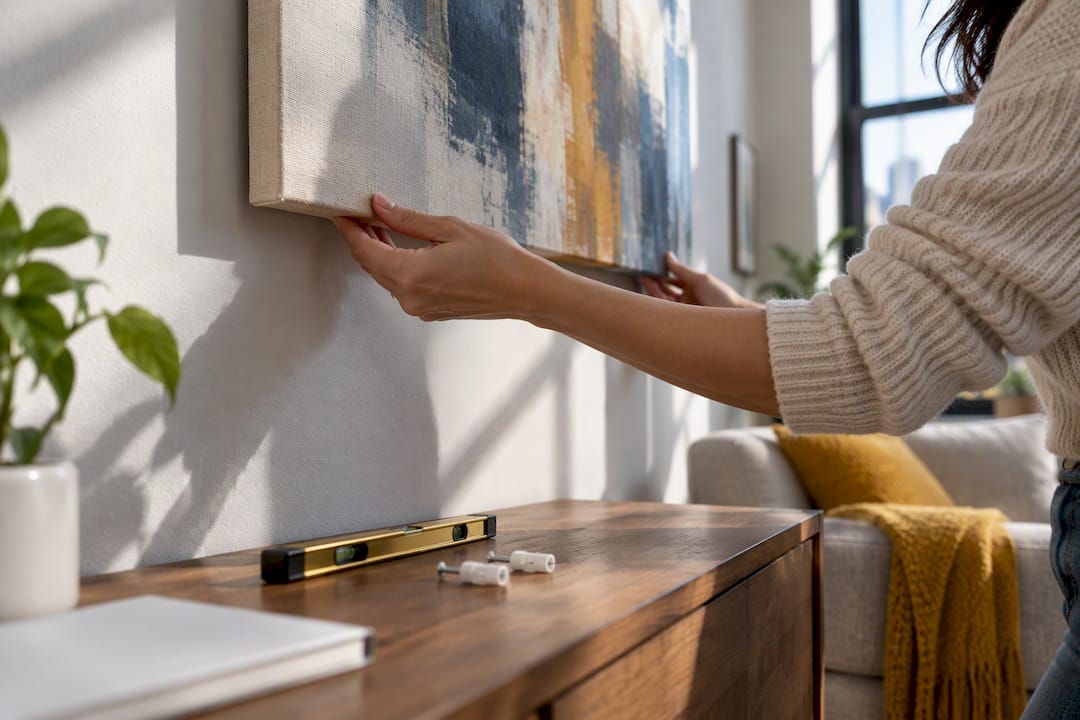
Hang canvas art safely in homes and rentals. Use the gallery 57–60 in centerline, choose hardware by weight, and use studs, cleats, or damage-free strips.
Follow Mad Pride from its 1993 Toronto origin to global bed pushes, and see how survivor art and Schizophrenic.NYC make advocacy visible.
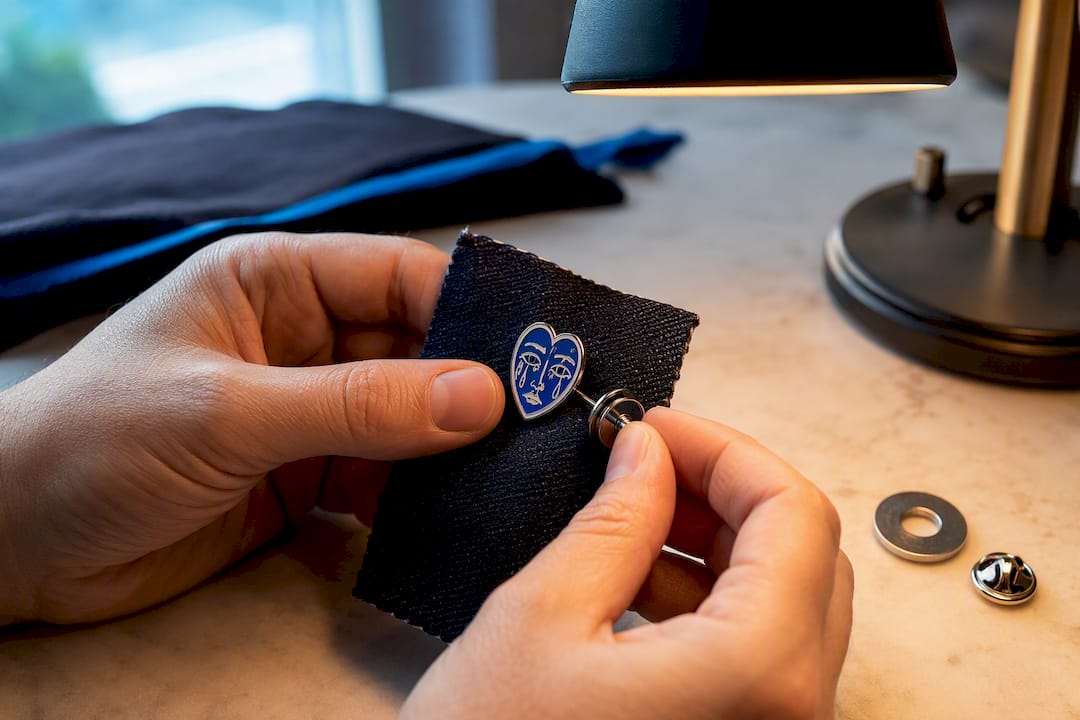
Fabric safe enamel pin tips for activists: lapels, bags, hats; when to use locking backs or magnets, and how to avoid fabric damage.
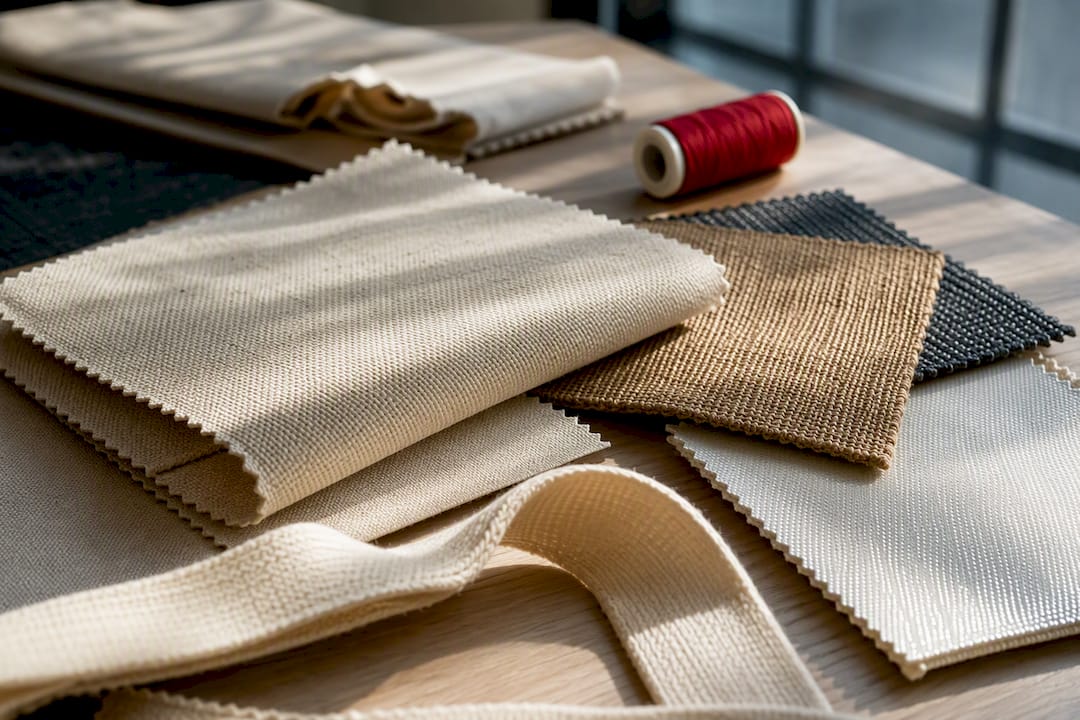
Choose tote bag materials that keep advocacy messages visible. Learn why 10 to 12 oz canvas, reinforced handles, and print methods matter.
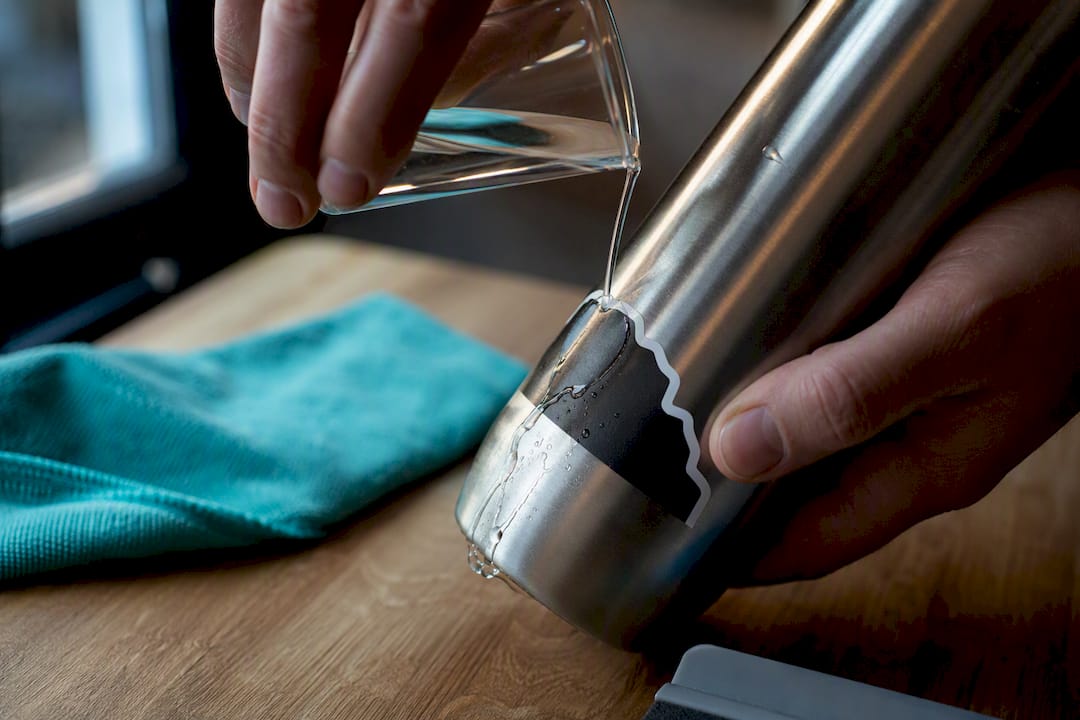
Learn the three essentials that make vinyl stickers waterproof: base, laminate, and matched adhesive. Quick care tips for advocacy stickers.
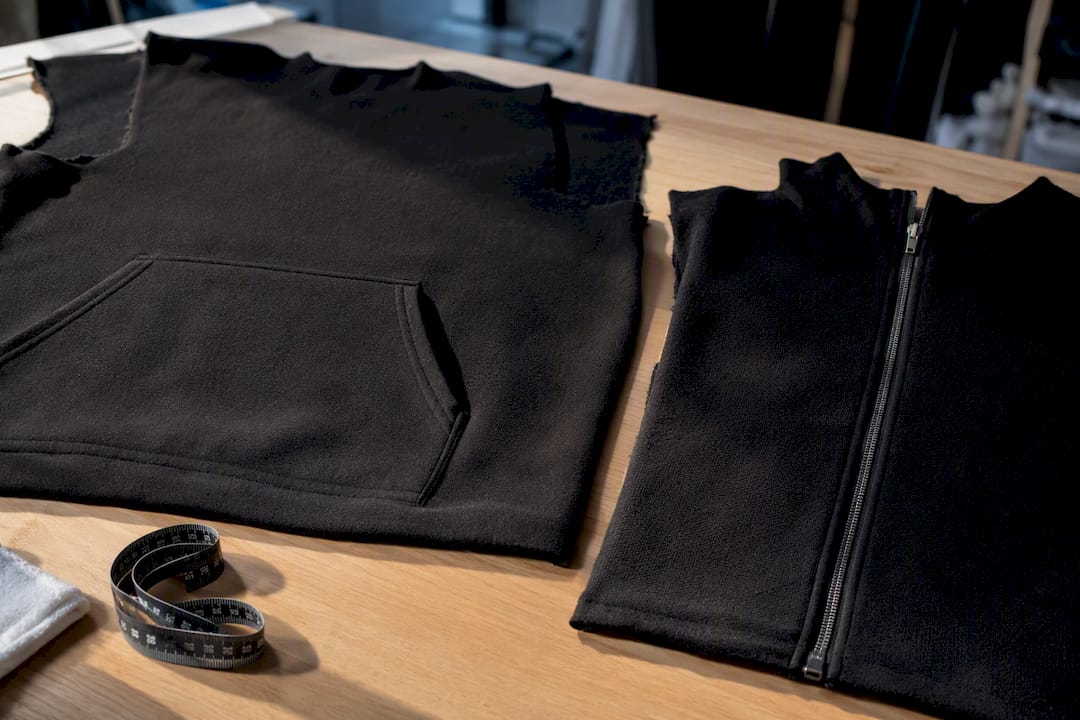
Practical shopping checklist for advocacy hoodies. When to pick a pullover for bold graphics and warmth, and when a zip-up's GSM and zipper matter.
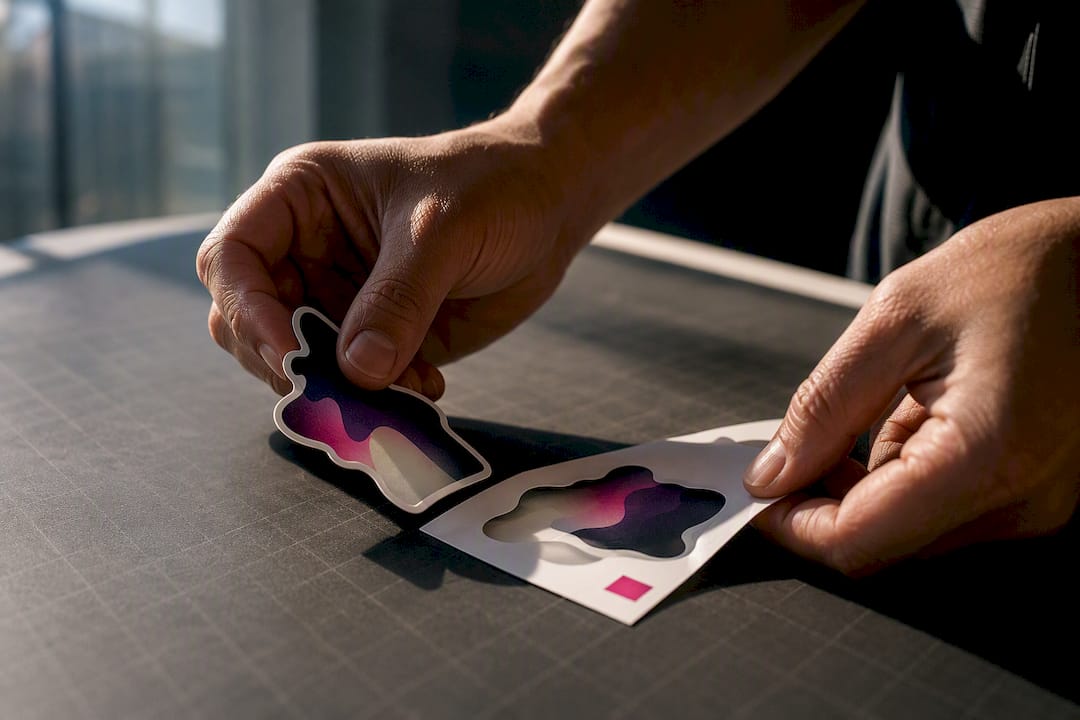
Practical sticker advice for designers and merch makers. Decide die cut or kiss cut, set cut paths and bleed, and avoid reprints with proofs.