The strongest advocacy apparel ideas do more than display a slogan. Short-hook slogan tees, subtle solidarity pins, QR-enabled wearable art, limited-run fundraiser shirts, and protest-safe comfort wear each serve a distinct job, from sparking a conversation on the subway to funding an organization for a season. The right choice depends on whether you need visibility, safety, or dollars, and the rest of this guide breaks down production, design, ethics, and real examples so you can pick with confidence.
TL;DR:
- Limited-run fundraiser shirts create urgency and serve as collectibles for specific awareness days or memorials, boosting engagement and support.
- QR-enabled apparel and wearable art can turn a clothing piece into an ongoing conversation or educational tool, extending the advocacy message.
- Clear transparency on donation percentages and ethical production practices enhance trust and encourage more supporters to buy.
- Accessibility considerations require inclusive sizing, high-contrast designs, and sensory-friendly fabrics to reach diverse supporters effectively.
- Successful advocacy apparel relies on readable, high-contrast design with large, short messages and respectful use of cultural symbols to avoid misrepresentation.
Table of Contents
- 10 Creative Advocacy Apparel Ideas Worth Making
- How to Turn an Idea Into Ordered, Fundraising Merch
- Design Rules That Make the Message Land
- Ethics, Safety, and Accessibility Checklist
- Real Examples From the Field
- Why Wearable Art Matters More Than a Trend Cycle
- Where to Start If You’re Ready to Print
- Sources
10 Creative Advocacy Apparel Ideas Worth Making
Fashion activism has always worked in two registers: loud and quiet. Both are documented strategies, and both belong in your toolkit depending on the moment. Fashion activism scholarship shows that clothing choices function as political participation and identity building, not just decoration, which is why the ideas below range from bold statements to barely-there symbols.
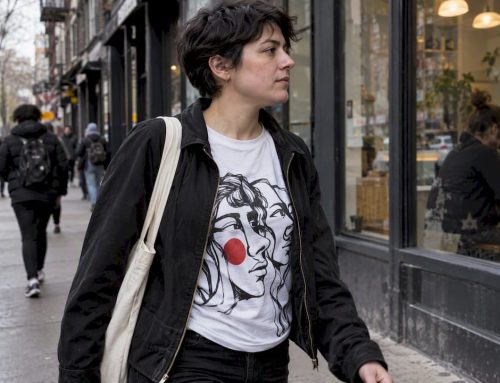
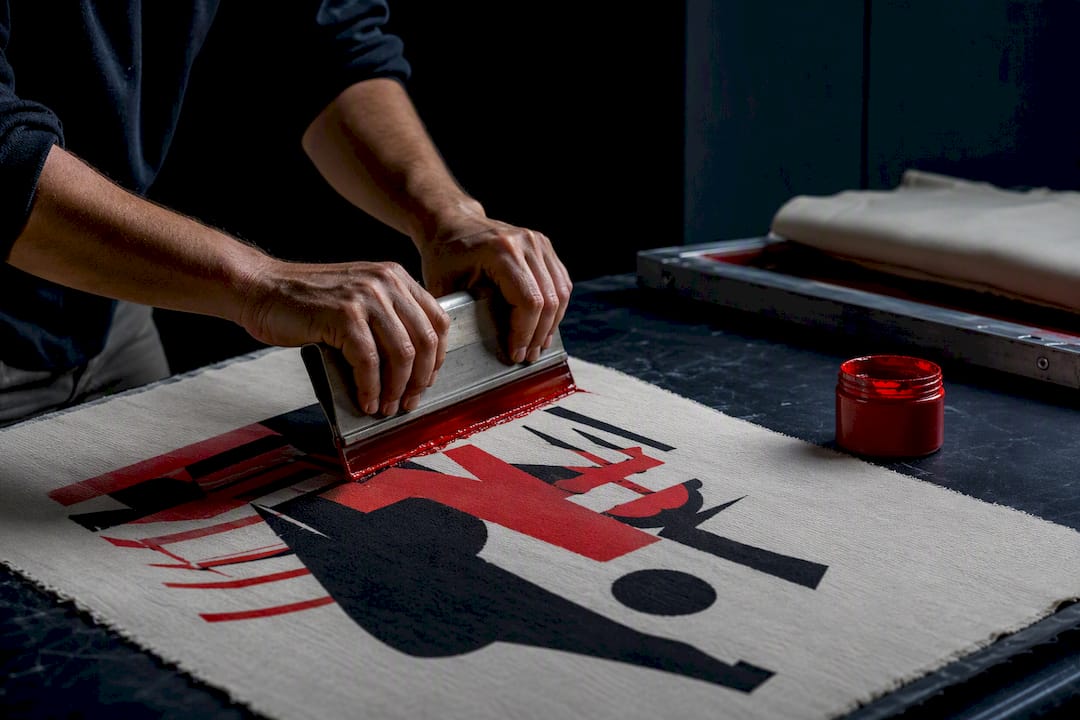
1. Short slogan tees. A five-word phrase in bold type reads at a glance and works for marches, campus tabling, or everyday wear. Keep the hook shorter than a headline. Production is simple screenprint or DTG, so this is the easiest entry point for a first campaign.
2. Subtle pins and patches. Small metal pins or embroidered patches let supporters signal solidarity without committing to a full outfit change. They’re low-cost, easy to gift at events, and ideal for workplaces with dress codes.
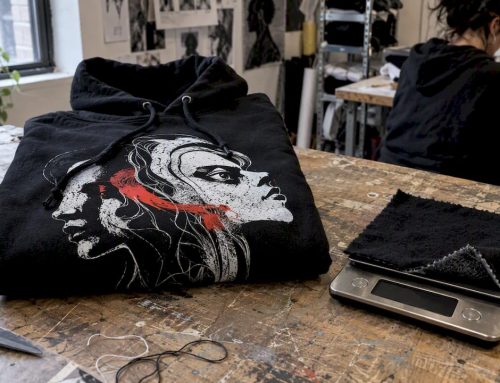
3. Wearable art with QR or NFC tags. A garment printed with original artwork becomes a doorway when it links to a story, petition, or donation page. NFC-enabled apparel can connect a wearer’s shirt to educational content the moment someone scans it, turning a single purchase into an ongoing conversation.

4. Limited-run fundraiser shirts. A limited production window creates urgency and makes each shirt feel like a collectible tied to a specific cause moment, like an awareness day or a memorial event.
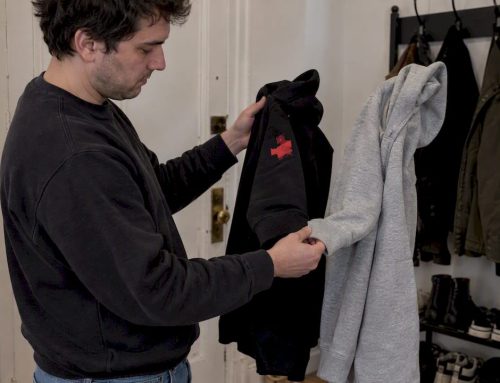
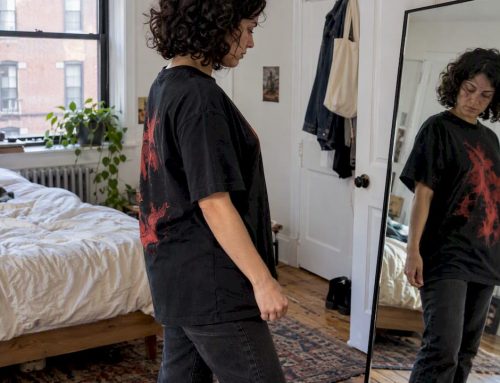
5. Protest-safe comfort wear. Breathable fabric, pockets for phones and water, and neutral colors that don’t draw unwanted attention matter as much as the message. Comfort keeps people at the event longer.

6. Craftivism and repair patches. Visible mending, iron-on patches over worn spots, or hand-stitched additions communicate a slower, personal form of activism. This is quiet activism in practice, and it resonates with people who find bold graphics too confrontational.

7. Themed colorways for solidarity days. Assigning a single color to a specific awareness date (teal for a mental health event, purple for another cause) gives a crowd instant visual cohesion without anyone needing to read a word.
8. Merch bundles for events. Pairing a shirt with a button and a tote at one price point raises the average order and gives supporters multiple ways to show up. Bundling also simplifies fulfillment since it’s one package per order.
9. Statement outerwear. Jackets and hoodies carry a message through colder months and tend to get worn in public longer than a tee, extending the message’s reach per garment sold.
10. Accessory-first messages. Buttons and tote bags carry a phrase or image without asking someone to commit to wearing a slogan across their chest all day. They’re often the easiest sell to someone new to a cause.
Design collections that mix historical materials with political narrative, like Skawennati’s Calico & Camouflage project, show how far this format can stretch when identity and craft intersect deliberately rather than decoratively.
How to Turn an Idea Into Ordered, Fundraising Merch
Picking a concept is the easy part. Getting it printed, priced, and connected to real dollars for your cause takes a few concrete decisions.
Production routes:
- Print-on-demand: no upfront inventory, ships direct to buyers, but per-unit cost is higher and turnaround runs 5 to 10 days.
- Local screenprinting: lower per-unit cost at volume, faster once set up, but usually requires a minimum order of 24 to 50 units.
- Direct-to-garment (DTG): handles full-color art and small runs well, sits between the two on price, and suits detailed wearable-art designs.
A simple pricing formula: blank garment cost, plus printing cost, plus a margin for the cause, equals retail price. A tee costing $6 blank and $4 to print, sold at $25, leaves $15 to split between overhead and donation.
Fundraising models that work:
- Pre-orders that fund the print run before you commit to inventory.
- Percent-of-proceeds donated to a named partner organization.
- Event bundling, where merch sales happen alongside a ticketed gathering.
- Matched giving, where a partner doubles proceeds up to a cap.
Campaign case studies consistently show that merch tied to clear storytelling and a named beneficiary builds more repeat support than merch sold without context.
Pro Tip: State the exact percentage of proceeds going to the cause on the product page itself, not just in a social caption. People check before they buy.
Before you launch anything involving donations, talk to a tax professional about how proceeds should be reported. Rules differ by state and by whether you’re a registered nonprofit or an individual organizer.
Design Rules That Make the Message Land
A shirt only works if the message is readable from ten feet away and doesn’t backfire once printed. A few non-negotiables:
- Keep text large enough to read from across a room. Small type disappears in a photo.
- Use high contrast between text and background. Dark text on light fabric, or vice versa, always outperforms subtle tonal pairings.
- Lead with a short hook, five to seven words maximum. Confrontational language draws faster attention; positive framing invites more people in. Choose based on the venue.
- Research any symbol or garment style before you use it. Garments like the keffiyeh or ribbon shirts carry specific cultural and political weight, and fashion activism research documents how careless use of loaded imagery can undercut a campaign instead of strengthening it.
- Submit print files at 300 DPI, in CMYK for screenprint or RGB for DTG, with a quarter-inch bleed and a mockup for approval before the full run.
Pro Tip: Print one sample shirt and hold it at arm’s length in daylight before approving hundreds. Screen colors lie about contrast more often than you’d expect.
Ethics, Safety, and Accessibility Checklist
Good intentions don’t excuse a design that appropriates a symbol you haven’t earned the right to use, or excludes the people the campaign claims to serve. Run every concept through this list before printing:
- Consult members of the affected community before using a cultural symbol, pattern, or phrase tied to their identity.
- Weigh visibility against anonymity for protest apparel; a bold design that identifies a wearer in a photo can carry real risk depending on the cause and location.
- Offer inclusive sizing (at minimum through 3XL) and high-contrast, large-type versions for low-vision supporters.
- Choose sensory-friendly fabric, tagless where possible, for wearers with sensitivity issues.
- Disclose exactly where proceeds go and confirm your supplier’s labor practices before placing a bulk order.
Real Examples From the Field
A mental health awareness apparel line offers a working model of wearable-art advocacy: bold graphic tees and totes designed to prompt a stranger to ask “what does that mean?” rather than to shout a message at them. That question is the point. It opens a conversation about schizophrenia and mental illness that a pamphlet rarely starts on its own.
A few places to see the approach in practice:
- The brand’s awareness apparel breakdown walks through what separates a mental health design from generic merch.
- The wearable art activism page explains how a single garment can carry an ongoing story.
- Founder Michelle Hammer’s own campaign work is documented in pieces on how specific designs spark dialogue, grounded in her lived experience with schizophrenia.
Why Wearable Art Matters More Than a Trend Cycle
I started Schizophrenic.NYC because a shirt started a conversation my doctors couldn’t. That’s the whole premise: clothing lets a stranger ask a question instead of making an assumption. If you’re building your own advocacy apparel, borrow that instinct, design for the question, not just the statement, and bring the community you’re speaking for into the process before you print a single shirt. I’d genuinely love to see what you make.
— Michelle
Where to Start If You’re Ready to Print
If you’d rather skip the production learning curve, There are ready-made options built specifically for mental health advocacy: tank tops designed for events and everyday wear, graphic tees, and low-cost buttons for organizers working with a tight budget. Every design exists to start the exact kind of conversation this guide has been describing, tested through years of real public speaking and community feedback rather than guesswork. If you’re an organizer looking for a lower-lift way to bring wearable advocacy to your next event, browse the tank top collection and see which design fits your cause before committing to a custom print run.
Sources
Recommended
- The Role of Clothing in Advocacy: A 2026 Guide
- Mental Health Walk Outfits: 10 Comfortable Advocacy Looks
- Wearable Art Activism: Make Fashion Your Message
- What Should I Wear To Support Mental Health?