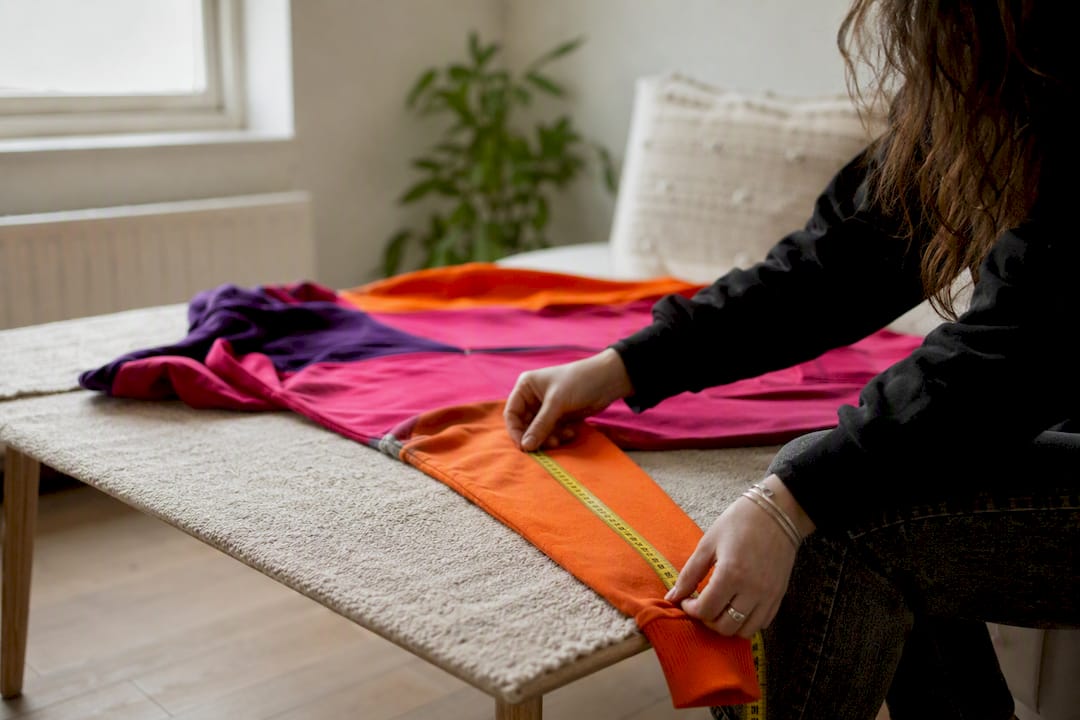
Measure your chest at the fullest point, or lay a hoodie flat and double the pit-to-pit width, then match that number to a size chart that adds 4 to 6 inches of ease for a regular fit. That’s the whole rule. If you’re stuck between two sizes, size up for a layered, comfortable feel and size down for something closer to the body.
Here’s the fastest path to a hoodie you’ll actually wear:
- Grab a soft tape measure and measure around your chest at the fullest point, keeping the tape level.
- Or lay a hoodie you already own flat and measure armpit to armpit, then double it.
- Compare that number to the garment specs on Schizophrenic’s hoodie pages, which list exact pit-to-pit and body length for every size.
A hoodie’s pit-to-pit measurement doubled approximates the body chest circumference it’s built for, and most hoodies add 4 to 6 inches of ease on top of that. Once you know your number, the rest of this guide fills in the details.
Key Takeaways
Choosing the right hoodie size comes down to matching your body chest measurement, plus 4 to 6 inches of ease, against the garment’s actual pit-to-pit and length specs rather than trusting a size label alone.
| Point | Details |
|---|---|
| Measure before you shop | Use a tape measure for body chest or double the pit-to-pit width of a hoodie you already own. |
| Understand ease | Regular hoodies add 4 to 6 inches of ease over body chest; oversized styles add even more. |
| Adjust for cut type | Unisex fits differently than women’s or oversized, so compare garment measurements, not just labels. |
| Resolve borderline sizes with priorities | Size up for layering and heavyweight fabric, size down for a fitted look in lighter material. |
| Check specs on Schizophrenic | Schizophrenic’s sweatshirt and hoodie pages list exact pit-to-pit and length numbers for each size. |
Table of Contents
- How to Measure Yourself and Your Hoodie for the Right Size
- What Do the Numbers on a Hoodie Size Chart Mean?
- Does Fit Type Change Which Hoodie Size You Should Buy?
- Simple Rules for Sizing Between Two Numbers
- What Should Youth, Tall, Plus, and Cropped Shoppers Watch For?
- Where to Find Exact Garment Specs Before You Buy
- Why Measurement Beats Guessing Every Time
- Ready to Find Your Fit? Start With the Right Hoodie
- Sources
How to Measure Yourself and Your Hoodie for the Right Size
Before you touch a size chart, you need two reliable numbers: your body chest measurement and, ideally, the pit-to-pit width of a hoodie you already like. Both take less than five minutes.
- Measure your body chest. Wrap a soft tape measure around the fullest part of your chest, usually right under your armpits and across your shoulder blades. Keep the tape snug but not tight, and measure over a thin layer like a t-shirt rather than a bulky sweater.
- Measure pit-to-pit on a flat hoodie. Lay a hoodie flat on a bed or table, button or zip it closed if it has a zipper, and measure straight across from one armpit seam to the other. Double that number to estimate the body chest circumference it’s designed to fit.
- Measure body length. With the hoodie still flat, measure from the highest point of the shoulder seam straight down to the bottom hem. This tells you whether a hoodie will hit at your hip or run longer.
- Measure sleeve length. Start at the center back of the collar, run the tape along the shoulder seam, then down the arm to the cuff. Long-armed readers should treat this number as seriously as chest width.
Ask a friend to hold the tape steady if you’re measuring your own chest. It’s easy to twist a tape measure without a mirror, and a crooked measurement throws off every size decision downstream.
Pro Tip: Keep a favorite, well-fitting hoodie on hand while you shop. Comparing its exact pit-to-pit and length numbers against a new product page beats guessing from a size label every time.
What Do the Numbers on a Hoodie Size Chart Mean?
A hoodie size chart usually lists garment chest width, which is the pit-to-pit measurement, not your actual body circumference. Doubling that number gets you an estimate of the body chest size the hoodie is built to fit, since hoodies typically add 4 to 6 inches of ease over your natural measurement so the fabric doesn’t cling.
Here’s what that looks like in practice, using representative numbers you’ll see across most standard hoodie charts:
- Small: roughly 20 in pit-to-pit (about 40 in body chest), body length around 27 in.
- Medium: roughly 21 to 22 in pit-to-pit (about 42 to 44 in body chest), body length around 28 in.
- Large: roughly 23 to 24 in pit-to-pit (about 46 to 48 in body chest), body length around 29 in.
- XL: roughly 25 to 26 in pit-to-pit (about 50 to 52 in body chest), body length around 30 in.
- 2XL to 3XL: pit-to-pit climbs another 2 inches per size, with body length increasing about 1 inch per step.
Retail charts vary by brand, so check the exact chest ranges on the specific product page before you buy, since a medium from one label can run a full size smaller than another. Fabric weight matters here too. A heavyweight fleece hoodie sized at the same chart numbers as a lightweight one will feel noticeably tighter, because thick fabric has less give and less room to move once it’s on your body.
Does Fit Type Change Which Hoodie Size You Should Buy?
Yes, and this is where most people pick the wrong size even after measuring correctly. A unisex cut, a women’s cut, and an oversized cut are three different starting points, not three labels on the same shape.

Unisex sizing is built as a neutral, straighter cut designed to fit a broad range of bodies without darts or a tapered waist. Women moving from a women’s specific size to unisex typically need to size down one to two sizes or, better, skip the label conversion entirely and compare garment measurements directly. Women’s cuts also tend to run 1.5 to 2 inches narrower in the chest and shorter in body length than a unisex hoodie at the same labeled size, which explains why a women’s medium and a unisex medium rarely feel the same.

Oversized hoodies change the math again. They’re built with a dropped shoulder seam that sits past your natural shoulder line and a wider pit-to-pit than a standard cut at the same size label. If you want that boxy, oversized look, consider sizing up one size beyond what the oversized chart already recommends. Full-zip hoodies also tend to sit slightly closer to the body than pullovers because of the front closure, so factor that in if you’re deciding between styles.
Simple Rules for Sizing Between Two Numbers
Most sizing hesitation comes down to landing between two sizes on the chart. A short, prioritized list solves this faster than overthinking it.
- Choose the larger size if you plan to layer or want a relaxed feel. A hoodie with breathing room over a t-shirt is more forgiving than one that’s already snug.
- Choose the smaller size if you want a closer, more fitted silhouette. Fabric weight matters here: a fitted look works best in lighter cotton blends that have some stretch.
- Size up slightly for heavyweight or non-pre-shrunk fabric. Thick fleece that hasn’t been pre-shrunk can lose up to half an inch or more after the first few washes.
- Still unsure? Measure your favorite hoodie and match pit-to-pit numbers directly. This beats comparing size labels across brands almost every time.
Pro Tip: If you have longer arms or prefer a longer torso fit, check sleeve and body length numbers before chest width. A hoodie can fit your chest perfectly and still leave your wrists exposed.
What Should Youth, Tall, Plus, and Cropped Shoppers Watch For?
Standard size charts assume an average build, and several groups need to adjust their priorities before checking out.
- Youth sizing: A youth XL is not the same as an adult small, even though the labels suggest similar sizing. Youth cuts run narrower through the chest relative to their length. Compare actual measurements, not size names, before deciding whether a growing teen needs to move into adult sizing.
- Tall builds: Prioritize body length and sleeve length over chest width if you have a long torso or long arms. A chest measurement that matches perfectly won’t help if the hoodie hits above your waistband.
- Plus and extended sizes: Check garment chest width specifically, since ease amounts can shrink proportionally at larger sizes on some charts. Allow yourself a bit more room than the chart’s baseline ease suggests.
- Cropped styles: Check the center-back length and where the shoulder seam sits, since a cropped hoodie’s proportions change how sleeve length reads on your arm.
Where to Find Exact Garment Specs Before You Buy
This guide gives you the measuring method and the general math, but exact numbers still vary by brand and even by style within the same brand. Schizophrenic.NYC lists garment specs for its hoodies and sweatshirts, including pit-to-pit width and body length, right on the product page.
- Measure yourself first, using the steps above, before comparing to any chart.
- Check the specific product page for pit-to-pit and length rather than relying on a generic size label.
- Consider fabric weight when deciding whether to size up, since heavier fleece fits differently than a lighter blend.
Michelle Hammer, founder of Schizophrenic and a schizophrenia activist, built the brand around clothing people actually want to wear and talk about, which starts with a hoodie that fits right.
Why Measurement Beats Guessing Every Time
Most sizing advice online still leans on vague labels: order your “usual size,” or size up if you like things “roomy.” That advice fails constantly because a medium from one brand and a medium from another can differ by two full inches in the chest. The conventional wisdom treats size labels as a shared language, and they simply aren’t.
What actually works is treating every hoodie purchase like a small measurement project. Pit-to-pit numbers don’t lie the way labels do, and a chest measurement taken with a real tape measure beats memory every time. I’d argue the biggest mistake shoppers make isn’t picking the wrong size, it’s skipping the five minutes of measuring because they assume their size is fixed across every brand and cut.
If you take one thing from this guide, let it be this: measure before you shop, not after the hoodie arrives and doesn’t fit. Compare real numbers, not labels, and you’ll return far fewer packages.
— Michelle
Ready to Find Your Fit? Start With the Right Hoodie
Every rule in this guide points toward one habit: measure first, then match those numbers to real garment specs instead of guessing from a label. That’s exactly how Schizophrenic’s hoodie collection is built to be shopped. Each hoodie carries a message about mental health and schizophrenia awareness, designed to spark honest conversation rather than sit quietly in your closet, and every size listing gives you the pit-to-pit and length numbers you need to apply everything above.
If you’ve never bought advocacy apparel before, this is a low-risk place to start. Measure your chest or a favorite hoodie tonight, check it against the size chart on the product page, and order the size that matches your numbers rather than your usual label. Wearing a message that reduces stigma around mental illness starts with a hoodie that actually fits.
Sources
- Hoodie Size Chart – MFG Merch
- T-Shirt Size Chart 2026: Men, Women, Youth Sizing Guide | T-Shirt Elephant
- How to Choose the Right Unisex T-Shirt Fit – Kingston
- Men’s Hoodies & Sweatshirts Size Charts | ASOS
Recommended
- The Role of Clothing in Advocacy: A 2026 Guide
- Mental Health Gift Guide 2022
- What Should I Wear To Support Mental Health? | Schizophrenic.NYC Mental Health Clothing Brand