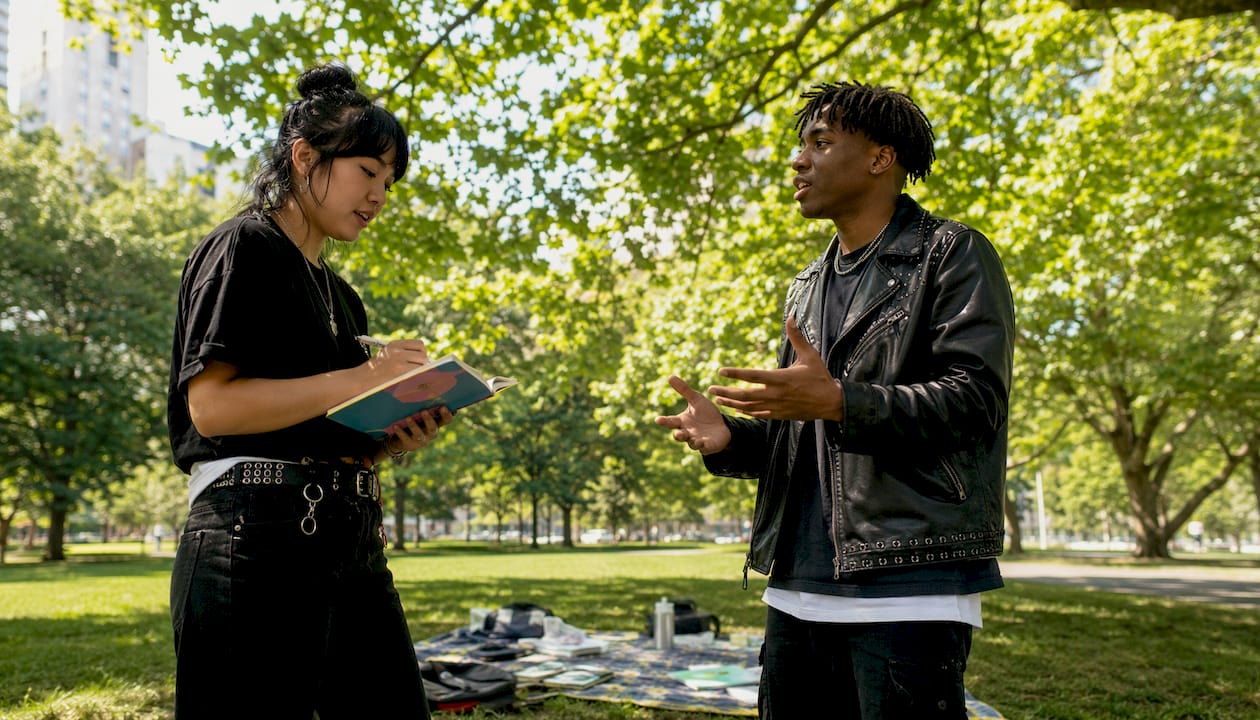
Mobilizing youth mental health advocates means equipping young people with the skills, networks, and confidence to lead sustained mental health awareness efforts in their own communities. This is not about handing young people a script. It is about building peer leadership that lasts. The most effective approaches combine cohort-based training, authentic storytelling, and coalition organizing to create advocates who can influence both peers and policymakers. Whether you are a student, a young adult with lived experience, or someone who wants to engage your community, this guide gives you a practical, step-by-step path forward.
How to mobilize youth mental health advocates through training and skills
The foundation of any strong youth advocacy effort is structured training. Cohort-based programs commonly run 8–12 weeks and target young people ages 15–24, offering hybrid training formats alongside paid stipends. That structure matters because it removes financial barriers and creates accountability within a peer group.
Programs like the JED Foundation’s Youth Advocacy Coalition (YAC) Internship and Virginia’s VAYA program teach young advocates the specific skills they need to be credible and effective. These include:
- Policy lobbying: How to approach legislators with specific, evidence-based requests
- Storytelling: How to frame personal experience as a public narrative
- Public speaking: How to present confidently in town halls and school settings
- Community organizing: How to recruit peers and sustain a local group
Mentorship is just as important as curriculum. Programs that pair young advocates with experienced mentors produce more confident participants. Stipends signal that youth time and expertise have real value, which increases retention and commitment.
The table below compares key features of model youth advocacy training structures:
| Feature | Entry-level programs | Structured cohort programs |
|---|---|---|
| Duration | 1–3 days | 8–12 weeks |
| Compensation | None | Paid stipend |
| Skills covered | Awareness basics | Lobbying, storytelling, organizing |
| Mentorship | Informal | Structured, ongoing |
| Advocacy experience | Optional | Capitol Hill or legislative days |

Programs that combine in-person advocacy days with online training produce more confident, effective advocates. That combination builds both knowledge and real-world experience at the same time.

Pro Tip: Before applying to any training program, write down one personal story about mental health that you would be willing to share publicly. Advocates who arrive with a story already in mind get far more out of skills training.
How can youth advocates engage and mobilize their peers effectively?
Peer mobilization works best when it combines broad digital outreach with specific, local, face-to-face connection. Effective peer mobilization uses social media for wide campaigns while relying on stickers, posters, and campus club meetings to build authentic local networks. Digital reach gets attention. Local presence builds trust.
Here is what works in practice:
- Social media campaigns: Short video content and personal posts on platforms like Instagram and TikTok reach peers where they already spend time. Consistency matters more than production quality.
- Campus clubs and school groups: Starting or joining a mental health club gives advocacy a physical home. Regular meetings create community and accountability.
- Stickers and posters: Physical materials in hallways, bathrooms, and community centers spark conversations that digital posts cannot.
- One-to-one outreach: Personally inviting a friend or classmate to an event is still the most effective recruitment tool available. People join movements because someone they trust asked them directly.
- Following advocates online: Connecting with established voices through platforms and resources like mental health advocates online helps young advocates stay motivated and learn from others.
The biggest mistake young advocates make is going too wide too fast. Building five genuine peer relationships produces more lasting impact than reaching 500 strangers with a single post.
Pro Tip: Schedule one “offline recharge” day per week where you step away from advocacy-related social media entirely. Burnout causes high turnover in youth groups, and protecting your energy is not optional. It is structural.
Which advocacy frameworks give youth-led initiatives real structure?
Structure separates a one-time awareness event from a sustained movement. The Think, Learn, Create Change (TLC) model is one of the most proven frameworks for organizing youth-led coalitions. Coalitions using TLC have grown to 50 or more members who develop and present formal policy recommendations to officials. That scale is possible because the model gives every participant a defined role and a clear process.
The TLC model works in three stages:
- Think: Youth members identify the mental health barriers most relevant to their own community. This stage centers lived experience over outside research.
- Learn: The group studies existing policies, gaps in services, and successful models from other communities. This is where mentors and adult allies add the most value.
- Create Change: Members develop specific policy recommendations and present them at town halls, legislative hearings, or school board meetings.
Youth-focused coalitions also emphasize culturally responsive approaches and peer leadership to strengthen policy initiatives and early intervention programs. That means the people most affected by a policy are the ones shaping it.
Trauma-informed engagement is non-negotiable in this work. Not every young person is ready to share their story publicly, and no framework should pressure them to do so. Build in opt-out options at every stage and create space for participants to contribute in ways that feel safe.
What are best practices for working with adult allies?
Adult allies are most effective when they listen rather than lead. Successful intergenerational partnerships involve adults relinquishing formal authority and engaging as peers rather than directors. That shift is harder than it sounds for most adults, but it is the difference between youth advocacy that thrives and youth advocacy that stalls.
The clearest way to define the adult ally role:
- Do: Ask youth what they are passionate about. Provide access to networks, funding, and platforms.
- Do: Offer your skills when asked. Show up consistently.
- Do not: Take over the narrative. Do not reframe youth stories to sound more “professional.”
- Do not: Make decisions about the group’s direction without youth input.
Meaningful youth engagement requires long-term, structural strategies with defined outcomes, not symbolic roles. Giving a young person a seat at a table where all decisions are already made is not engagement. Real engagement means youth have genuine influence over what gets decided.
“Adults should support youth advocacy by asking about passion projects rather than trying to fix problems or take control. The most powerful thing an adult ally can do is open a door and then step aside.”
When approaching policymakers, specific data-backed asks like Child Impact Statements increase the likelihood of real policy action. Vague calls for “better mental health support” rarely move legislators. A concrete proposal tied to local data does.
Pro Tip: If you are a young advocate working with an adult ally, ask them directly: “What is your role here, and what decisions are mine to make?” Setting that boundary early prevents confusion and protects your autonomy.
Key Takeaways
Mobilizing youth mental health advocates requires structured training, peer-driven outreach, proven frameworks like TLC, and adult allies who support without directing.
| Point | Details |
|---|---|
| Start with structured training | Cohort programs of 8–12 weeks with stipends and mentorship build confident, credible advocates. |
| Combine digital and local outreach | Social media campaigns work best alongside stickers, clubs, and one-to-one peer invitations. |
| Use the TLC model | Think, Learn, Create Change gives youth coalitions a clear process from lived experience to policy action. |
| Define adult ally boundaries | Adults should provide access and listen, not direct. Youth must control their own narratives and decisions. |
| Build self-care into activism | Scheduling offline recharge time prevents burnout and keeps youth advocates engaged long-term. |
What I’ve learned about mobilizing young advocates
I started Schizophrenic because I knew that the most powerful advocacy tool I had was my own story. Not a statistic. Not a policy brief. My actual experience of living with schizophrenia in New York City. That is what made people stop and listen.
What I have seen over the years is that young advocates often underestimate how much their personal narrative matters. They think they need credentials or a platform before they can speak. They do not. Vulnerability in storytelling transforms data into something a decision-maker actually feels. That is what storytelling in mental health recovery does that no policy document can replicate.
The other thing I have learned is that burnout is real and it comes fast. I have watched passionate young people disappear from advocacy spaces because they gave everything without building any structure to sustain themselves. Self-care is not a luxury. It is what keeps you in the fight long enough to make a difference.
Start small. Build one genuine connection. Tell your story once to one person. That is how movements actually begin. Not with a viral post, but with a real conversation that someone carries with them.
— Michelle
Wear your advocacy: how Schizophrenic supports the movement
Advocacy does not stop when the meeting ends. Every conversation you start in public is an opportunity to reduce stigma and normalize mental health.

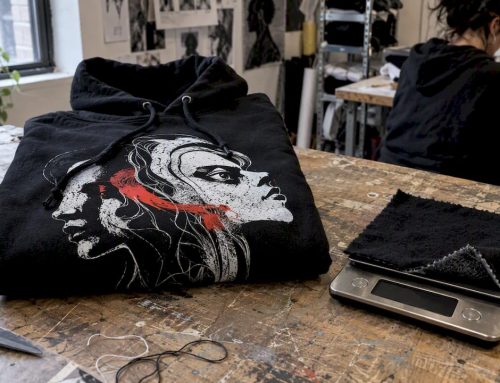
Schizophrenic designs wearable art that does exactly that. Our mental health awareness tank tops and mental health buttons are built to spark real conversations, not just look good. Each piece carries a message that opens the door for the kind of honest dialogue that changes minds. If you are building a youth advocacy group, wearing your values is one of the simplest and most visible ways to signal that mental health matters. Browse the full collection at Schizophrenic and find something that speaks for you.
FAQ
What does it mean to mobilize youth mental health advocates?
Mobilizing youth mental health advocates means equipping young people with training, peer networks, and advocacy skills to lead sustained mental health awareness efforts in their communities. It goes beyond one-time events to build lasting peer leadership.
How long does it take to train an effective youth advocate?
Structured cohort programs typically run 8–12 weeks and include policy skills, storytelling, and real-world advocacy days. Programs that combine online training with in-person legislative experiences produce the most confident advocates.
What is the TLC model in youth mental health advocacy?
The Think, Learn, Create Change (TLC) model is a three-stage framework where youth identify local barriers, study existing policies, and then develop specific recommendations to present to officials. Coalitions using this model have grown to 50 or more active members.
How do youth advocates avoid burnout?
Building self-care into activism, including setting boundaries on social media engagement and scheduling offline recharge days, is the most effective way to prevent burnout. High turnover in youth groups is directly linked to advocates who do not protect their own energy.
What role should adult allies play in youth mental health advocacy?
Adult allies are most effective when they provide access to networks and platforms while relinquishing control over decisions and narratives. Successful intergenerational partnerships involve adults listening more than they speak and supporting youth autonomy throughout.
Recommended
- Ways to Lobby for Mental Health Policy in 2026
- The Role of Community in Advocacy for Mental Health
- Mental Health Community Engagement Ideas That Work
- Ways to Follow Mental Health Advocates Online