Why Some of the Best Mental Health Advocates Never Planned to Be
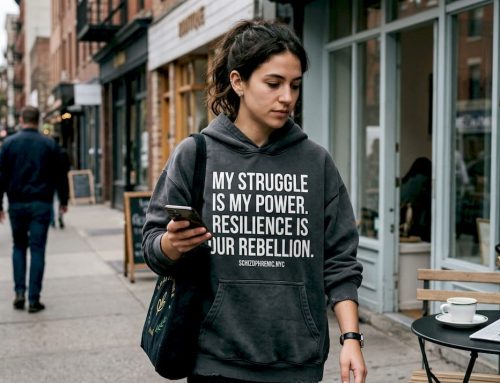
You usually don’t plan to become a mental health advocate, and it often starts in quieter ways. It begins with small moments that don’t feel important. You help someone understand a diagnosis or explain how to get an appointment.
You stay present when support systems fall short, even when you feel unsure. Over time, people begin to turn to you more often. They trust your experience more than official advice or paperwork. What begins as simple care slowly turns into an ongoing responsibility that follows you beyond a single moment.
Many advocates arrive here without intention or training. They step in because someone must, not because they planned a role. This path shapes how advocacy looks, how long it lasts, and what kind of support advocates eventually need. For many people, this quiet shift is where advocacy truly begins.
How Helping Others Becomes Survival
Helping others often begins as a way to steady yourself. You listen because you recognize the fear. You guide because you already learned the system through setbacks. This kind of support isn’t a planned service; it’s a learned behavior shaped by experience. This instinct to help often brings internal changes.
Mental Health America notes that helping others triggers brain chemicals such as dopamine and oxytocin. These chemicals support mood, motivation, and emotional resilience. The organization also highlights that small, consistent acts of support can increase connection and reduce isolation over time. This internal shift often pulls you deeper into supporting others.
At first, this support feels manageable. You answer messages, share resources, and sit with people during hard moments. The work stays informal, but the expectations grow. Eventually, people bring you complex questions. They ask about treatment decisions, crisis options, and long-term planning. Without structure, the role slowly becomes risky.
You carry heavy emotional weight without professional boundaries. You may even realize that passion alone cannot replace clinical training. For those already holding a social work background, formalizing this role is the next logical step. Transitioning into licensed clinical practice through online MSW advanced standing programs provides the necessary framework.
At that stage, structure becomes less about advancement and more about safety. The University of the Pacific reveals that these pathways are specifically created for those with a bachelor’s degree in the field.
These tracks allow you to deepen your skills while staying active in community work. The goal isn’t prestige; it’s learning how to help without harm.
When Advocacy Begins With Loss
Many advocates don’t enter this work through gradual involvement. They arrive through loss. Tragedy forces people to confront gaps in care and silence around mental health.
For some, that shift happens after a single event changes everything. The Poughkeepsie Journal details how Frank Cimorelli began speaking publicly about mental health after his son Camden’s death. The piece notes that he turned to school visits, community conversations, and youth sports spaces to encourage open discussion.
Frank’s efforts also emphasized early conversations with teens and coaches, using familiar environments to make mental health topics feel less intimidating. His advocacy focused on reducing stigma for young people and parents, rather than policy or professional credentials. This pattern is common.
When loss reshapes your life, you learn quickly. You speak because staying silent feels impossible. Others listen because your pain is real and visible. Advocacy rooted in grief often carries urgency and can reopen wounds. Without support, advocates may relive trauma while helping others.
Over time, many seek clearer boundaries. Some step back. Others look for ways to turn experience into sustainable work. Planning usually happens after advocacy begins, rather than at the outset. But personal loss isn’t the only force that pushes people into advocacy.
How System Gaps Turn People Into Advocates
Advocacy also grows because systems leave people behind. When care is hard to access, peers and families step in. Over time, this turns personal support into shared responsibility. This shift becomes unavoidable when systems fail at critical moments.
The Beacon highlighted how Missouri’s mental health system struggles to meet the needs of children with serious mental health challenges. Families described long waits for inpatient beds, limited pediatric psychiatric units, and frequent placement disruptions.
Some parents said they traveled long distances or crossed state lines to secure care. Others were told to involve law enforcement during crises because no treatment beds were available. The report also notes that families often coordinate between schools, hospitals, and child welfare systems without shared plans or guidance.
This lack of coordination places ongoing responsibility on parents and peers, even during emergencies. When systems fail this consistently, informal advocacy becomes routine. You start managing follow-ups, tracking stalled referrals, and explaining processes that no one owns.
Over time, you aren’t just helping individuals; you’re compensating for missing infrastructure. This creates pressure to stay involved even when exhausted. Many advocates continue because leaving feels harmful. Others seek training to reduce risk and burnout. System limits often push you forward before you feel ready.
Advocacy When Resources Keep Shrinking
Advocacy today faces another strain: declining resources. While demand grows, funding becomes less reliable. For many advocates, this shift changes what support even looks like. That pressure intensifies when federal funding decisions begin to ripple through local services.
Scientific American reports that the Trump administration has reportedly cut up to $2 billion in federal mental health and addiction funding. The reductions affect grants tied to the Substance Abuse and Mental Health Services Administration. Experts cited in the report warn that as many as 2,800 grants could be impacted.
These cuts come as overdose deaths had declined by nearly 21% between August 2024 and August 2025, according to federal data. Researchers and clinicians warned that reducing funding during this decline could reverse progress and destabilize community-based services, including youth and school-linked programs.
When support systems shrink this quickly, the effects surface at the community level. Fewer funded programs mean fewer access points. People often turn to peers when formal care disappears. This environment increases risk as advocates take on more without training or protection.
Meanwhile, emotional exhaustion becomes common, and errors carry greater consequences. Structure matters more in these conditions. Some advocates remain community-based. Others move into formal roles. What matters is having options that allow the work to continue safely.
People Also Ask
1. Is lived experience enough to work in mental health professionally?
Lived experience builds insight and trust, but professional roles require additional skills. Clinical work involves ethics, risk management, and accountability. Many advocates combine personal experience with formal training to protect both themselves and the people they support while working within established care standards.
2. What is the difference between a mental health advocate and a peer specialist?
An advocate often works on a volunteer basis to change policies or raise general awareness. A peer specialist is a trained professional with lived experience. They are certified to provide direct, one-on-one support within a clinical or community setting, typically following a specific state-regulated curriculum.
3. How can mental health advocates avoid burnout over time?
Burnout often comes from blurred boundaries and constant emotional labor. Advocates reduce risk by setting limits, sharing responsibility, and seeking supervision or peer support. Sustainable advocacy usually involves deciding what support you can offer safely, rather than solely trying to meet every need.
Most mental health advocates never plan this work, but many eventually choose how they will continue it. You step in because someone needs help, and stay because the need doesn’t disappear. Over time, advocacy changes. It becomes heavier, more complex, and harder to sustain on your own.
At this point, intention enters the picture. Whether you choose formal training or continued peer support, the goal remains the same. You help others while protecting yourself.