Why Mental Health Conversations Need to Go Deeper Than Hashtags
Mental health awareness has never been louder. Hashtag trends, campaigns go viral, and conversations spark across social feeds, but too often, they stop at the surface. While visibility matters, reducing complex emotional struggles to slogans can unintentionally silence the very people these movements aim to support.
To create real change, mental health conversations must move beyond performative awareness. They need to embrace honest, nuanced dialogue that considers lived experiences, systemic gaps, and provides meaningful support. Only then can awareness turn into understanding, action, and lasting impact.
In this article, we’ll argue that social media has destigmatized mental health, but simplified, shareable awareness limits deeper understanding and impact.
The Rise of Hashtag Activism in Mental Health Awareness
Hashtag activism has played a pivotal role in bringing mental health into mainstream conversation. For example, an Open Exploration study highlighted the impact of the #YouthMentalHealth movement. It found that approximately 25,000 X users shared 58,000 posts. These posts generated an impressive 292.7 million impressions, which demonstrates widespread online engagement.
Additionally, campaigns like #MentalHealthAwareness and #EndTheStigma have reached millions, helping normalize conversations about anxiety, depression, and burnout. Broad visibility has helped de-stigmatize the topic, encouraging more honest dialogue. However, it also exposes a gap between online engagement and access to professional care, lasting support, and deeper understanding.
When Awareness Lacks Context and Lived Experience
Awareness without depth can unintentionally alienate the people it seeks to support. When mental health content lacks lived experience and clinical context, it often becomes generic “wellness” advice. Techniques like deep breathing may ease everyday stress, but they can feel dismissive to individuals facing severe trauma, psychosis, or manic episodes.
Public attitudes toward depression have improved over time. However, research from the National Institutes of Health shows little progress for more complex conditions. While mental health conversations feel more “normalized,” people living with schizophrenia face growing social distance and less public support.
This highlights how hashtag-driven awareness often fails those with the most misunderstood lived experiences.
The Role of Education and Trained Professionals
Meaningful mental health progress depends on education and trained professionals across healthcare roles. Mental health training strengthens early detection and accurate referrals. It also fosters compassionate, informed patient interactions among providers, nurses, and allied health staff.
In response to growing demand, more healthcare professionals are seeking specialized mental health education. Flexible, online learning options allow them to continue working while advancing their skills. This approach supports ongoing care delivery without disrupting clinical responsibilities.
Programs such as an FNP program online expand access to mental health–informed care. They equip nurse practitioners to address both physical and psychological needs across diverse settings.
Cleveland State University notes that FNPs deliver care in interdisciplinary and community-based settings. Their clinical competencies include diagnosing conditions through specialized tests. Ultimately, informed advocacy must rely on clinical knowledge and evidence-based practice, not personal opinions or social media narratives.
The Divide Between Viral Support and Actual Aid
Online discussions have boosted mental health visibility, but real-world support often lags behind. While millions engage daily, access to therapy and crisis care remains limited. Likes and shares rarely overcome barriers like cost, workforce shortages, and stigma. It highlights the need for policies and investments that turn awareness into accessible support.
HelpGuide.org reports that nearly a third (28.2%) of adults with mental health conditions cannot access necessary treatment. This statistic underscores the disconnect between trending topics and tangible medical resources. Despite the noise of online activism, millions remain stranded without the professional intervention required for true recovery.
How Fashion and Art Can Push Conversations Further
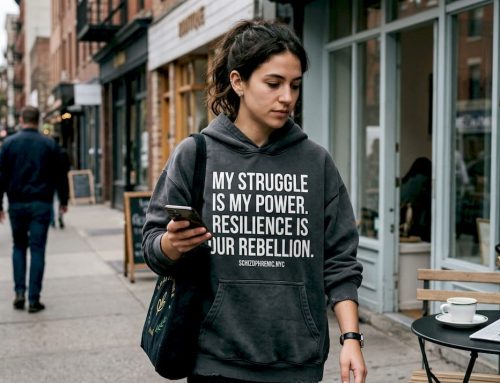
Fashion and art have emerged as powerful tools for deepening mental health conversations beyond digital slogans. A ScienceDirect study found that the arts can significantly improve psychological well-being. Research shows arts-based interventions support diverse populations, including young people, older adults, and vulnerable individuals, by serving as effective therapeutic tools.
Visual storytelling, wearable messages, and expressive design convey emotions that words often fail to capture. These creative forms evoke empathy and help audiences connect with lived experiences. Public art, murals, and fashion spark dialogue beyond online spaces. When paired with education and community action, creativity turns awareness into deeper understanding.
Building Conversations Rooted in Empathy and Accountability
Sustainable mental health dialogue must be grounded in empathy and reinforced by accountability. Listening to lived experiences, respecting boundaries, and acknowledging systemic failures help move conversations from sympathy to action. Accountability ensures that awareness efforts lead to follow-through, whether through workplace policy changes, accessible services, or ethical media representation.
Without responsibility, conversations risk becoming performative and short-lived. Building empathetic, accountable dialogue requires individuals, organizations, and institutions to support measurable outcomes and amplify marginalized voices. It also demands a commitment to long-term change rather than temporary visibility driven by trends or online momentum.
Frequently Asked Questions
Can constant mental health content cause emotional fatigue?
Constant exposure to mental health content can lead to emotional fatigue, especially when it’s repetitive or distress-focused. While awareness is valuable, nonstop consumption may overwhelm audiences, dull empathy, or trigger anxiety. Balanced messaging, supportive resources, and intentional breaks help maintain engagement without burnout.
What does meaningful allyship in mental health actually look like?
Mental health allyship means listening without judgment and believing lived experiences. It requires learning from credible sources, challenging stigma, supporting access to care, and respecting boundaries consistently. Allies move beyond hashtags to advocate for policies and environments protecting mental well-being.
Why is listening more important than sharing in mental health spaces?
Listening creates safety, trust, and understanding in mental health spaces. It centers lived experiences over opinions and reduces harm from assumptions. While sharing matters, listening first prevents speaking over voices that most need compassion, support, and respect.
Beyond Awareness: Turning Conversation into Care
Hashtags have helped bring mental health into the spotlight, but visibility alone is not enough. Real progress comes from informed dialogue, empathetic listening, and accountable action that extends beyond online spaces. Meaningful conversations require education, lived experience, and genuine access to care.
When these elements are present, awareness becomes impactful. This approach fosters a culture where mental health is truly understood and supported.