Mental health themed accessories are defined as wearable or tactile items designed to promote awareness, support coping, or spark advocacy conversations around mental illness. The best ways to gift mental health themed accessories go far beyond picking something pretty. They combine thoughtful selection with considerate presentation, matching the item to the recipient’s real needs rather than a generic idea of wellness. Grounding tools like spinner rings, advocacy bracelets that donate to NAMI, and discreet fidget jewelry are among the most meaningful categories available right now. Schizophrenic, founded by Michelle Hammer, has built an entire platform around this idea: that wearable art can reduce stigma and start real conversations.
What mental health themed accessories make meaningful gifts?
The strongest mental health gift ideas fall into three clear categories: grounding tools, advocacy accessories, and comfort items. Each serves a different need, and knowing the difference makes your gift land with real impact.
Grounding and sensory tools are the most practical category. Spinner rings and worry stones provide tactile feedback that interrupts anxious thought spirals. They work because they give the hands something to do without drawing attention. Discreet, wearable versions are especially valued for public settings like offices or classrooms.

Advocacy and charitable accessories carry a second layer of meaning. Some bracelets feature NFC technology that links to therapist-curated mental health content. Others donate $5 per sale to nonprofits like NAMI. That giving model turns a simple gift into an act of community support, which matters deeply to recipients who care about mental health awareness.
Comfort and wellness items round out the category. Weighted blankets, aromatherapy diffusers, and herbal teas add sensory comfort that complements wearable accessories. Pairing a fidget ring with a soft blanket and a handwritten note creates a care package that feels personal rather than purchased.
- Spinner rings and worry stones for tactile anxiety relief
- NFC-enabled bracelets linking to therapist-curated content
- Advocacy bracelets with charitable giving components
- Discreet fidget jewelry in sterling silver or polymer clay for professional settings
- Weighted blankets and aromatherapy diffusers for sensory comfort
- Buttons, pins, and tote bags that promote open conversation
Pro Tip: Sterling silver spinner rings and polymer clay earrings sized 0.5 to 1 inch are popular for daily office or school use. They look like regular jewelry, so the recipient gets anxiety relief without any stigma.
How do you match mental health accessories to the recipient’s needs?
Matching a gift to the recipient is the step most people skip. A generic “good vibes only” mug sends the wrong message to someone managing depression. The best mental health gifts provide practical tools that respect individuality rather than impose optimism.

Start by assessing the recipient’s comfort with mental health topics in public. Some people wear advocacy messaging proudly. Others prefer something discreet that only they know the meaning of. A bold graphic tee from Schizophrenic works perfectly for an advocate. A subtle spinner ring works better for someone who keeps their mental health private.
Next, match the gift to the recipient’s sensory or coping style:
- Tactile learners respond well to fidget rings, worry stones, or textured keychains that give the hands something to do.
- Auditory processors benefit from accessories paired with curated playlists or NFC-linked audio content.
- Creative types connect with wearable art, bold graphic accessories, or items they can personalize.
- Advocates light up when a gift carries a cause. Bracelets that donate proceeds to mental health nonprofits align with their values.
- Private processors appreciate discreet items with no visible mental health messaging, paired with a personal note explaining the intention.
Avoid gifts with toxic positivity messaging. Items with phrases like “just be happy” can feel dismissive to someone who is genuinely struggling. Choose items that validate the experience instead of rushing past it.
Pro Tip: Align the gift with the recipient’s love language. Someone who values words of affirmation needs a meaningful handwritten note more than an expensive item. Someone who values acts of service appreciates a care package assembled with obvious care and attention.
What is the best way to present mental health gifts for maximum impact?
Presentation is as critical as the item itself. Aligning with the recipient’s love language increases the gift’s impact more than any price point. The way you deliver a thoughtful wellness accessory shapes how it is received and whether it actually gets used.
The single most important rule: remove all pressure. Allow recipients to open gifts privately with no obligation to respond immediately. Live unboxing can feel like a performance for someone managing anxiety or burnout. Sending a gift with a note that says “open this whenever you’re ready” is a gift in itself.
Effective presentation strategies include:
- Handwritten notes that explain the intention behind the item in warm, low-pressure language
- “No thank-you note required” tags that remove the social obligation to respond
- Private delivery rather than public gifting, especially for recipients managing social anxiety
- Optionality language such as “use this only if and when it feels right for you”
- Themed care packages that combine the accessory with personal touches like a favorite tea, a soft item, or a handwritten playlist
Timing matters too. Gifts aligned with tough seasons, like the winter holidays or a known anniversary of a hard event, carry more weight than random gestures. A care package sent in january, when post-holiday blues peak, shows you were paying attention. That level of care is what separates a meaningful gift from a forgettable one.
DIY care packages combining handwritten notes, playlists, and grounding exercises have significant emotional impact. The primary investment is attention, not money. Sensory comfort items like herbal teas or soft goods add value beyond any commercial gift set.
How to incorporate advocacy and charitable giving in mental health accessory gifts?
Advocacy-focused gifts do two things at once. They support the recipient and contribute to a larger cause. That dual purpose makes them uniquely powerful as unique mental health gifts for someone who cares about destigmatization.
The most direct model is the give-back accessory. Some bracelets donate a fixed amount per sale to established nonprofits like NAMI. That means the recipient knows their gift funded real mental health support services. Sharing that story with the recipient, in your note or in conversation, strengthens the impact significantly. Combining advocacy gifts with clear cause messaging strengthens stigma reduction and recipient empowerment.
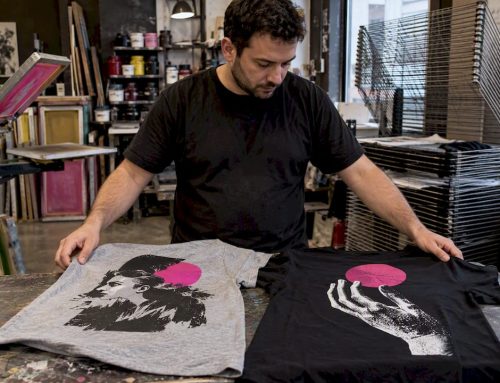
Schizophrenic takes a related approach. The brand uses bold graphic art on clothing and accessories to spark conversations about schizophrenia and mental illness. Gifting a piece from Schizophrenic is not just a present. It is an invitation to talk about something that most people avoid. That conversation is where real stigma reduction happens. You can read more about how fashion fights mental illness stigma and gives back through this kind of model.
| Gift type | Advocacy impact |
|---|---|
| Give-back bracelet (NAMI donation) | Funds nonprofit mental health services directly |
| Graphic advocacy tee or tank top | Sparks public conversation and reduces stigma |
| NFC-enabled wellness bracelet | Connects recipient to therapist-curated mental health tools |
| Mental health buttons and pins | Low-cost, high-visibility advocacy for everyday wear |
| Awareness tote bag | Promotes open dialogue in shared public spaces |
For recipients who are supporting someone through recovery, advocacy accessories paired with a clear, compassionate note can reinforce that their support is seen and valued.
What are the newest trends in mental health accessories for gifting?
The 2026 mental health accessory market has moved well past basic awareness ribbons. The newest self-care themed presents combine function, style, and technology in ways that make them genuinely useful rather than symbolic.
- NFC-enabled bracelets link directly to therapist-curated mental health skills and grounding exercises. The recipient taps the bracelet with their phone and gets immediate support content.
- Discreet fidget jewelry in professional-grade materials like sterling silver lets people manage anxiety at work without anyone noticing. Multi-band tactile designs allow daily office or school use.
- Personalized and customizable items are growing fast. Engraved spinner rings, custom-color worry beads, and monogrammed wellness pouches make the gift feel made for one specific person.
- Sustainable and ethically sourced materials are now a standard expectation. New designs integrate eco-friendly materials and customizable elements that align with the recipient’s values.
- Wearable advocacy art from brands like Schizophrenic continues to grow as a category, combining bold design with a clear social mission.
Tech-enabled accessories are particularly worth noting for recipients who already use mental health apps or work with a therapist. The NFC bracelet functions as a physical reminder to use digital tools they already trust. That connection between the physical and digital makes the gift more likely to be used consistently.
Key Takeaways
The most effective ways to gift mental health themed accessories combine thoughtful item selection, pressure-free presentation, and advocacy-aligned messaging that respects the recipient’s individual experience.
| Point | Details |
|---|---|
| Match the item to the person | Choose grounding tools, advocacy accessories, or comfort items based on the recipient’s coping style and comfort level. |
| Avoid toxic positivity | Skip items with dismissive phrases; choose gifts that validate struggles and offer practical support. |
| Remove all gifting pressure | Include “no thank-you note required” tags and allow private unboxing to reduce social anxiety. |
| Add advocacy meaning | Give-back bracelets and graphic advocacy accessories support both the recipient and the broader mental health community. |
| Presentation shapes impact | A handwritten note aligned with the recipient’s love language often matters more than the item itself. |
What I’ve learned about giving mental health gifts that actually help
I started Schizophrenic because I knew firsthand how isolating it feels when people don’t know what to say or do. Gifting is one of those moments where people want to help but often get it wrong. Not because they don’t care. Because they haven’t thought about what the recipient actually needs.
The biggest mistake I see is the pressure to perform gratitude. When you hand someone a gift in front of a group and watch them open it, you are asking them to manage your feelings about the gift while managing their own reaction. That is a lot for anyone, and it is especially hard for someone dealing with anxiety, depression, or psychosis. Private gifting, with a note that says “no response needed,” is one of the kindest things you can do.
The second thing I’ve learned is that price does not equal meaning. A $10 spinner ring with a thoughtful note lands harder than a $100 spa set with no personal connection. What makes a gift meaningful is the evidence that you paid attention to who this person actually is.
Advocacy accessories hold a special place for me because they do something passive gifts can’t. They start conversations. When someone wears a piece from Schizophrenic or a give-back bracelet, they carry a message into the world. That visibility matters. It tells other people that mental illness is something we talk about openly. You can see how clothing becomes advocacy in practice. That is the kind of gift worth giving.
— Michelle
Schizophrenic’s mental health accessories, built for gifting
Schizophrenic was built to do exactly what this article describes: combine meaningful design with a real advocacy mission. Every product is created to spark conversation, reduce stigma, and support the person wearing it.

The collection includes mental health awareness tank tops, advocacy buttons and pins, and graphic tees designed by Michelle Hammer, a schizophrenia activist who has lived this experience. Each item carries a message that goes beyond decoration. Gifting from Schizophrenic means the recipient gets something wearable, meaningful, and connected to a community that genuinely understands mental illness. Browse the full collection at Schizophrenic.NYC to find the right fit for the person you have in mind.
FAQ
What types of accessories make the best mental health gifts?
Grounding tools like spinner rings and worry stones, advocacy bracelets that donate to nonprofits like NAMI, and discreet fidget jewelry are the most effective categories. The best choice depends on the recipient’s coping style and comfort with public mental health messaging.
How do I avoid giving a mental health gift that feels dismissive?
Avoid items with toxic positivity phrases like “just be happy.” Choose gifts that validate the recipient’s experience and offer practical support, such as grounding tools or thoughtful wellness accessories paired with a warm, low-pressure note.
Should I give mental health gifts publicly or privately?
Private gifting is almost always better. Allowing the recipient to open the gift on their own terms, with no obligation to respond immediately, removes social pressure and makes the gift feel safer to receive.
What is a give-back accessory and why does it matter?
A give-back accessory donates a portion of its sale price to a mental health nonprofit. It matters because the recipient knows their gift funded real support services, which adds a layer of meaning that a standard item cannot provide.
How do I make a mental health gift feel personal rather than generic?
Include a handwritten note that explains why you chose the specific item for this specific person. Align the gift with their love language, and add personal touches like a favorite tea or a curated playlist to create a care package that feels assembled with genuine attention.
Recommended
- The Greatest Mental Health Gift Guide for the Holidays | Schizophrenic.NYC Mental Health Clothing Brand
- Mental Health Gift Guide 2022
- What Should I Wear To Support Mental Health? | Schizophrenic.NYC Mental Health Clothing Brand
- What Is a Mental Health Clothing Line? | Schizophrenic.NYC Mental Health Clothing Brand