A coping skills checklist is a structured tool that helps you select adaptive strategies matched to your current emotional and physical state. The most effective version is not a long static list. Tiered menus organized by activation level, time, and energy outperform lengthy checklists because they reduce decision fatigue when you need help most. Research updated in june 2026 classifies coping into five core categories: problem-focused, emotion-focused, religious, meaning-making, and social support. These categories let you match your response to the nature of the stressor, not just its intensity. Coping skills aim to regulate emotional intensity, not erase stress instantly. That distinction matters because it shifts your goal from “fix it now” to “navigate it steadily.”
1. What is a coping skills checklist and why structure matters
A coping skills checklist is a personalized reference that lists your go-to stress management techniques, organized so you can find the right one fast. The term “coping skills checklist” is widely used in self-help contexts, but mental health professionals call this a coping toolkit or coping plan. Both terms describe the same thing: a deliberate, pre-built menu of adaptive coping mechanisms you can reach for under pressure.
Structure matters because stress impairs decision-making. When your nervous system is activated, you cannot reliably think through a long list of options. A well-organized checklist removes that barrier. It puts the right skill in front of you at the right moment, which is exactly when you need it.

Adaptive coping mechanisms focused on active engagement and acceptance produce better mental health outcomes than maladaptive coping, which offers only short-term relief. Maladaptive strategies include avoidance, substance use, and rumination. They feel effective in the moment but increase distress over time. Your checklist should be built around adaptive strategies from the start.
2. How to assess your stress activation level
Your nervous system operates at different activation levels, and the right coping skill depends on where you are right now. Three broad states guide your selection: mild activation (restless, slightly tense), moderate activation (heart racing, difficulty concentrating), and high activation (panic, shutdown, or dissociation).
Ask yourself three quick questions before reaching for a skill:
- How does my body feel right now? Tight chest, shallow breathing, or a racing heart signals moderate to high activation.
- How much mental bandwidth do I have? If focusing feels impossible, you are in high activation.
- How much time do I realistically have? Thirty seconds or thirty minutes changes everything.
Complex thinking-based strategies are ineffective during high nervous system activation. Cognitive reframing, journaling, or problem-solving require prefrontal cortex access. High activation shuts that down. Physiological methods like slow diaphragmatic breathing, cold water on the face, or grounding through touch work precisely because they bypass cognition and act directly on the nervous system.
Pro Tip: Keep a simple 1-to-10 activation scale on your phone. Rate yourself before choosing a skill. Anything above a 7 means you go straight to body-based techniques, no exceptions.
3. Coping skills organized by time availability
Short coping skills under two minutes should be your first line of defense during high-anxiety moments. Longer practices suit calmer periods when you have the bandwidth to go deeper. Organizing your checklist by time window makes it usable anywhere.
Under 1 minute:
- Box breathing: inhale 4 counts, hold 4, exhale 4, hold 4
- 5-4-3-2-1 grounding: name 5 things you see, 4 you hear, 3 you can touch
- Cold water on wrists or face to activate the dive reflex
- Single slow exhale, twice as long as your inhale
- Repeat a short grounding phrase silently (“I am safe right now”)
5 to 15 minutes:
- Freewriting in a journal without editing or stopping
- A guided body scan meditation using a free app or audio
- A brisk walk around the block with attention on your footsteps
- Calling or texting one trusted person, even just to say you are struggling
- Listening to a specific playlist you built for regulation
30 minutes or more:
- A full exercise session, which directly lowers cortisol
- A longer creative practice: drawing, painting, or playing an instrument
- A structured problem-solving session using pen and paper
- A meaningful conversation with a friend or counselor
- Extended progressive muscle relaxation from feet to scalp
The layering approach works well here. You can start with a 30-second breathing technique, then move into a 10-minute journal session once your activation drops. Combining skills across time windows builds a more complete response than relying on any single technique.
4. How to match coping skills to your energy level
Energy and activation are not the same thing. You can be calm but completely depleted, or anxious but physically energized. Your coping skills for anxiety and stress need to account for both dimensions.
Low energy (depleted, exhausted, flat):
- Sensory grounding: hold a warm mug, use a weighted blanket, or sit in sunlight
- Passive listening to calming music or nature sounds
- Slow, gentle stretching in bed or on the floor
- Comforting objects: a familiar scent, a soft texture, a meaningful photo
Moderate energy (present but not at full capacity):
- Light movement like a slow walk or gentle yoga
- Reading something absorbing but not demanding
- Social connection through a low-stakes conversation
- Simple creative tasks like coloring or doodling
High energy (restless, agitated, physically tense):
- Vigorous exercise: running, cycling, or jumping jacks
- Active problem-solving on a concrete, manageable task
- Expressive writing with full emotional release
- Physical labor or cleaning, which channels activation productively
Pro Tip: Keep one “floor-level” skill for your lowest energy days. Mine is simply lying down and focusing on five slow breaths. You do not need to perform wellness. You just need to not make things worse.
Matching effort to energy prevents a common frustration: trying a skill that requires more than you have, failing, and concluding that coping “doesn’t work for you.” The skill did not fail. The match was wrong.
5. Coping skill categories and when to use each one
Coping strategies are classified into five domains that address different emotional needs. Knowing which category fits your situation is as important as knowing the individual skills.
| Category | What it does | Best used when | Watch out for |
|---|---|---|---|
| Problem-focused | Addresses the stressor directly through action or planning | The stressor is controllable and concrete | Overusing it on uncontrollable situations |
| Emotion-focused | Regulates your emotional response to the stressor | The stressor cannot be changed right now | Becoming avoidant rather than regulating |
| Meaning-making | Reframes the stressor within a larger purpose or value | Processing grief, loss, or chronic illness | Forced positivity that dismisses real pain |
| Social support | Draws on connection for emotional or practical relief | Isolation is worsening distress | Depending on one person for all support |
| Religious or spiritual | Uses faith, prayer, or ritual for comfort and grounding | Personal belief system is a genuine resource | Guilt or shame if practice feels inadequate |
Social support seeking provides both emotional and practical relief in stressful situations. It is one of the most consistently effective coping styles across research, yet many people leave it off their personal checklist entirely.
The 4 As framework, developed by HelpGuide, offers a practical diagnostic for choosing between categories. Avoid the stressor when possible and appropriate. Alter it when you have influence. Adapt your response when the situation is fixed. Accept it when it is fully outside your control. The mistake most people make is applying the same response type to every stressor regardless of fit. A crisis management resource from CVPSD describes this same principle in high-stress professional settings, noting that de-escalation toolkits work best when responders match their approach to what the situation actually requires.
Key takeaways
A coping skills checklist works best when it is organized by activation level, time availability, and energy, because this structure ensures you reach the right skill at the right moment.
| Point | Details |
|---|---|
| Structure over length | Short, tiered menus outperform long static lists for real-world use. |
| Match skill to activation | Use body-based techniques at high activation; save cognitive strategies for calmer states. |
| Time windows matter | Organize skills into under-1-minute, 5–15 minute, and 30-plus-minute categories. |
| Energy shapes your options | Low-energy days need low-effort skills; depleted people cannot force high-effort coping. |
| Five categories cover all stressors | Problem-focused, emotion-focused, meaning-making, social, and spiritual coping each serve a distinct purpose. |
What I have learned from building my own coping toolkit
I used to think a good coping plan meant having a long list of healthy habits. The longer the list, the more prepared I felt. That was wrong. When I was in a bad place, I would stare at that list and feel worse because I could not do any of it.
What actually helped was getting honest about what I could realistically do at my worst. I kept three skills on a card in my wallet: slow breathing, cold water on my face, and texting one specific person. That was it. Everything else came later, once I was regulated enough to access it.
Resilience is not fixed. You build it deliberately, the same way you build any skill. Harvard Health describes antifragility as the capacity to not just bounce back from stress but to strengthen through it. That idea changed how I thought about hard days. They are not failures. They are practice.
The other thing I learned: revise your checklist regularly. What worked at 25 does not always work at 35. Life changes, your nervous system changes, and your toolkit should change with it. Treat it as a living document, not a finished product. If you want to go deeper on building mental resilience, that is a worthwhile next step alongside your checklist work.
— Michelle
Mental health advocacy you can wear every day
Coping skills are personal, but the conversation around mental health belongs to all of us.

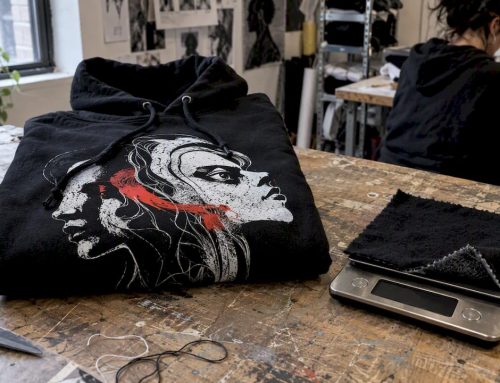
Schizophrenic was built on the belief that talking openly about mental illness changes lives. The brand creates bold, graphic apparel designed to spark real conversations and reduce stigma, one shirt at a time. Whether you wear a mental health awareness tee to start a conversation or gift one to someone who needs to feel seen, every piece carries a message worth spreading. Schizophrenic also publishes resources, activism stories, and community content to support people at every stage of their mental health experience. Showing up for your own mental health and showing up for others are not separate things.
FAQ
What is a coping skills checklist?
A coping skills checklist is a personalized list of adaptive strategies organized to help you manage stress, anxiety, and emotional distress. Mental health professionals also call it a coping plan or coping toolkit.
How many coping skills should be on my list?
Keep your active checklist short: three to five skills per activation level. Long lists increase decision fatigue during high-stress moments, which reduces how often you actually use them.
What are the five categories of coping skills?
The five categories are problem-focused, emotion-focused, meaning-making, social support, and religious or spiritual coping. Each addresses a different type of stressor and emotional need.
Why do coping skills sometimes feel like they are not working?
Coping skills regulate emotional intensity rather than eliminate stress immediately. If a skill feels ineffective, the most common cause is a mismatch between the skill’s demands and your current activation or energy level.
How often should I update my coping skills list?
Review your checklist every few months or after a significant life change. Coping needs shift over time, and a toolkit that matched your needs last year may not fit your current circumstances.
Recommended
- Schizophrenia Coping Strategies List for Daily Life
- Fear Not: Don’t Let Trauma Hold You Back Anymore | Schizophrenic.NYC Mental Health Clothing Brand
- The Intricacies of Maintaining Good Mental Health as a Stressed Parent | Schizophrenic.NYC Mental Health Clothing Brand
- How to Build Resilience While Managing Mental Health Challenges | Schizophrenic.NYC Mental Health Clothing Brand