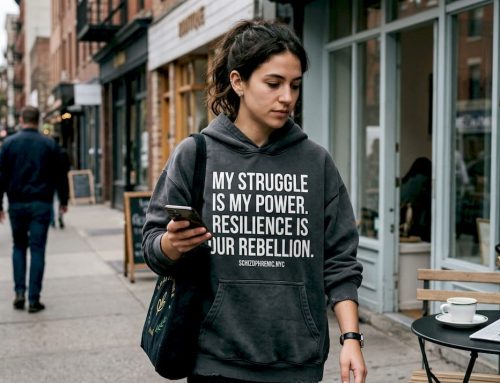
Mental health self-expression is the deliberate use of creative and verbal outlets to articulate emotions and regulate mental well-being. This guide to mental health self-expression covers the methods that actually work, from art and journaling to “I” statements and movement, backed by science and built for real life. You do not need talent, money, or a therapist’s office to start. You need a few tools, a little consistency, and permission to be honest with yourself.
What are the most effective creative outlets for mental health self-expression?
Creative expression activates the brain’s reward center, regulating cortisol and reducing anxiety and depressive symptoms. That means drawing a messy sketch or writing three sentences in a notebook is not just a hobby. It is a biological reset. The four most accessible creative outlets are art, writing, music, and movement, and none of them require expertise.
Here is what each one offers and how to start:
- Visual art: Grab a sketchbook and draw whatever comes to mind without judging it. The goal is release, not a finished product. Even coloring in a printed mandala counts.
- Journaling: Write for five minutes without stopping. Do not edit. Managing paranoia with journaling is one concrete example of how writing privately can reduce the grip of anxious thoughts before they spiral.
- Music: Listen to a song that matches your current mood, then switch to one that reflects where you want to feel. Playing an instrument, humming, or even tapping a rhythm counts as expression.
- Movement: A five-minute dance session or a slow walk while paying attention to your body both qualify. Somatic mapping focuses on where emotions live physically, and gentle movement targeting those areas helps reset your nervous system.
Simple tools like sketchbooks and writing prompts require minimal equipment and support mood stabilization. That matters because the biggest barrier to creative expression is usually the belief that you need to be good at it first.
Pro Tip: Consistency beats quality every time. Five minutes of honest, imperfect expression daily does more for your mental health than one polished session per month.

How can you communicate feelings effectively using verbal self-expression?
Verbal emotional expression is the spoken or written practice of naming your feelings clearly and constructively. The clinical term for one core technique is affect labeling. Saying “I feel X” engages the prefrontal cortex and downregulates the amygdala, which means putting words to your emotions literally calms your brain in real time.
Here is a step-by-step framework for expressing feelings verbally without shutting down or escalating a conversation:
- Name the feeling first. Before speaking to anyone else, say the emotion out loud to yourself. “I feel frustrated.” “I feel scared.” This alone reduces emotional intensity.
- Use the “I” statement formula. Expressing feelings as “When X happens, I feel Y, and I need Z” is more constructive than leading with “you” statements, which trigger defensiveness in the listener.
- Pause before responding. Counting to ten before replying gives your rational brain time to catch up with your emotional reaction.
- Set a boundary if needed. Saying “I am not ready to discuss this right now” is a complete and valid sentence. Pause techniques and conversational boundaries improve both emotional regulation and communication outcomes.
- Return to the conversation. Setting a boundary is not the same as avoiding the topic forever. Come back when you feel grounded.
Pro Tip: Before any difficult conversation, spend two minutes noticing where tension lives in your body. Your shoulders, jaw, or chest often signal the emotion before your mind can name it. Starting with body awareness bypasses the frustration of not knowing what to say.
How to build a sustainable routine for mental health self-expression
A sustainable expression routine is built on small, repeatable actions rather than grand commitments. Emotional expression is a skill that improves with practice and does not require immediate eloquence. The first attempts are typically messy. That is not failure. That is the process working correctly.
These habits make consistency realistic:
- Start with five to ten minutes. Set a timer. When it goes off, you are done. Short sessions remove the pressure that kills routines before they start.
- Keep materials visible. A journal on your nightstand or a sketchbook on the kitchen table removes the friction of getting started. Out of sight genuinely means out of mind.
- Use prompts to break through blocks. “What did my body feel today?” or “What am I avoiding thinking about?” are two prompts that work when you feel blank. The 7 essential components of good mental well-being include creative habits as a foundation for emotional stability.
- Normalize repetition. Revisiting the same themes in your writing or art is not being stuck. Repetition in creative practice is a necessary form of emotional information processing. Your brain needs to circle back to process fully.
- Track effort, not output. Mark a calendar when you complete a session. Celebrate the showing up, not the quality of what you produced.
- Pair expression with an existing habit. Journal after your morning coffee or stretch after brushing your teeth at night. Attaching a new behavior to an existing one makes it stick faster.
The 7 ways to boost your mood naturally include creative and physical expression as reliable, low-cost tools. Building them into a daily rhythm compounds their effect over time.
What common challenges might you face in mental health self-expression?

Fear of judgment is the most common barrier to self-expression, and it applies even when you are alone. Perfectionism tells you that your feelings are only worth expressing if they come out clearly and beautifully. That is not true, and it keeps a lot of people stuck.
Here are the challenges you are most likely to face and how to work through them:
- Not knowing what you feel. This is called alexithymia in clinical settings, and it is more common than most people realize. Starting with body sensations rather than forcing emotional labels bypasses this block. Notice tightness, warmth, or heaviness before trying to name an emotion.
- Fear of making it worse. Some people avoid expression because they worry that focusing on a feeling will amplify it. Trying to quickly “fix” an emotion actually disrupts processing. Staying present with a feeling, even briefly, aids healing more than suppression does.
- Feeling triggered during expression. If a journaling session or art practice brings up something overwhelming, stop. You do not have to push through. Set the work aside and return when you feel steadier.
- Embarrassment about imperfect expression. Verbalizing feelings privately before sharing them with another person reduces anxiety and builds confidence. Use your journal as a rehearsal space.
- Isolation without support. Creative expression is powerful on its own, but it is not a replacement for professional care when symptoms are severe. Knowing what to bring up in therapy can make professional support feel less intimidating.
“Emotional expression is both a language and an embodied process. The body processes emotions beyond words.” This reminder matters most when you feel like you have nothing to say. Your body is already speaking.
Key takeaways
Creative and verbal self-expression are evidence-backed practices that reduce anxiety, regulate cortisol, and build lasting emotional resilience when practiced consistently and without judgment.
| Point | Details |
|---|---|
| Creative outlets reset the brain | Art, journaling, music, and movement activate the reward center and lower stress hormones. |
| “I” statements reduce conflict | The formula “When X, I feel Y, I need Z” keeps conversations constructive and clear. |
| Small daily sessions build skill | Five to ten minutes of consistent practice develops neural pathways for emotional expression over time. |
| Body awareness unlocks expression | Noticing physical sensations before naming emotions helps when words feel out of reach. |
| Low-stakes practice builds confidence | Journaling privately before speaking to others reduces anxiety around sharing feelings. |
What I have learned about honest expression
People often assume that expressing your emotions means having the right words at the right moment. I spent years believing that too. When paranoid voices were telling me how pathetic I was, I did not have elegant language for what I was experiencing. I had chaos. What I eventually learned is that the expression does not have to be clean to be real.
The piece of advice I wish someone had given me earlier is this: start with your body, not your brain. Before I could say “I feel afraid,” I could notice that my chest was tight and my hands were cold. That physical awareness became the doorway. Once I stopped waiting to feel articulate, I started actually processing what I was carrying.
I also want to push back on the idea that creative expression is a soft or optional part of mental health care. Using art to express my journey with schizophrenia changed how I understood myself and how others understood me. It is not decoration. It is communication. And it is available to you right now, with whatever you have on hand.
Be patient with yourself. The messiness is not a sign that you are doing it wrong. It is a sign that you are doing it at all.
— Michelle
Express yourself with Schizophrenic.NYC
At Schizophrenic, we believe that what you wear can be a form of self-expression and a statement of solidarity. Every piece in our collection is designed to spark conversation, reduce stigma, and remind you and everyone around you that mental health is worth talking about openly.

If you are looking for a way to carry your advocacy into the world, our mental health tank tops are bold, wearable, and built to start the conversations that matter. Whether you are new to mental health expression or have been speaking up for years, there is a place for you in this community. Wear your truth. Show up for yourself and for others.
FAQ
What is mental health self-expression?
Mental health self-expression is the deliberate use of creative and verbal outlets, such as art, journaling, movement, and “I” statements, to articulate emotions and support mental well-being. It is a learnable skill that improves with consistent practice.
How does journaling help with mental health?
Journaling provides a private, low-stakes space to name and process emotions before sharing them with others, which reduces anxiety and builds confidence in verbal expression. Writing daily for even five minutes supports mood stabilization and emotional clarity.
What is affect labeling and why does it work?
Affect labeling means saying or writing “I feel X” to name your current emotion. It engages the prefrontal cortex and calms the amygdala, producing an immediate reduction in emotional distress.
What should I do if creative expression feels overwhelming?
Stop the session, step away, and return when you feel grounded. Expression is not meant to be pushed through when it becomes destabilizing. Starting with body sensations rather than forcing emotional labels can also make the process feel safer.
When should I seek professional support for emotional expression?
Seek professional support when symptoms are severe, persistent, or interfering with daily functioning. A therapist can guide you through structured emotional expression techniques and help you work through material that feels too heavy to process alone.
Recommended
- A Practical Guide to Teaching Mental Health in Schools
- Mental Health Themed Event Planning Guide
- What Is Mental Health Recovery: a Clear Guide
- The Greatest Mental Health Gift Guide for the Holidays | Schizophrenic.NYC Mental Health Clothing Brand