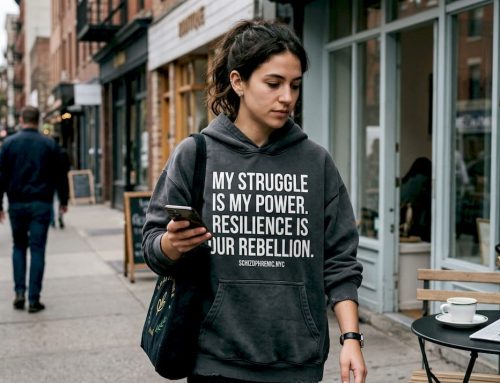
A mental health themed event is a structured community gathering designed to raise awareness, reduce stigma, and connect people to real support resources. Done well, these events change how people think and talk about mental illness. Done poorly, they create noise without impact. This mental health themed event planning guide covers every critical step, from setting objectives and building professional partnerships to designing safe spaces and measuring your results. Whether you are organizing a community walk, a workshop series, or a full mental health conference, the framework here applies directly to your work.
What does a mental health themed event planning guide actually cover?
Effective mental health event planning follows 8 structured steps, from defining your event’s purpose to measuring its impact after the doors close. That structure is not optional. Without it, even well-intentioned events miss their audience or, worse, cause harm by raising difficult topics without adequate support in place.
Before you book a venue or design a flyer, you need three things locked in: a clear objective, a realistic budget, and at least one professional mental health partner.
Setting objectives that actually guide decisions
Your objective determines everything else. An event designed to reduce stigma among college students looks completely different from one designed to connect veterans to crisis resources. Write your objective in one sentence and test every planning decision against it.
Common objectives include raising general awareness, providing free screenings, connecting attendees to local practitioners, or building ongoing community. Each requires different formats, different partners, and different success metrics.
Budget and resource realities
A community mental health event can run on a few hundred dollars or tens of thousands, depending on scale. Typical cost categories include venue rental, printed materials, speaker fees, catering, and promotional spend. Partnerships with local mental health organizations often reduce costs significantly. Partnering with professionals is recommended for every community-focused event, and many organizations will contribute time or materials in exchange for visibility.
Pro Tip: Build your budget with a 15% contingency line. Mental health events frequently require last-minute additions like extra quiet room supplies, additional printed resource lists, or an unexpected need for on-site support staff.
| Planning Element | What to Prepare |
|---|---|
| Objective | One clear sentence defining purpose and audience |
| Budget | Itemized costs with a contingency buffer |
| Timeline | 8-step framework from concept to post-event review |
| Partnerships | At least one licensed mental health professional or organization |
| Tools | Anonymous screenings, resource libraries, referral lists |

How do you design engaging mental health event programs?
The biggest mistake in mental health event programming is repeating the same panel-and-speaker format every year. Delivering messages in varied formats prevents awareness fatigue and reaches people who do not respond to traditional presentations. This is the insight most guides skip.

Think about your attendees. Some people learn by listening. Others need to move, create, or connect one-on-one. Your program should serve all of them.
Mental wellness event ideas that actually work
Here is a practical list of formats that consistently generate engagement and conversation:
- Anonymous mental health screenings with 10–15 questions that deliver immediate, personalized feedback and resource recommendations. Attendees get real value, not just pamphlets.
- Art therapy workshops where participants express emotions through drawing, collage, or painting. These sessions lower defenses and open conversations that a lecture never could.
- Drumming circles as a group wellness activity. The shared rhythm creates connection and reduces anxiety without ever requiring someone to disclose anything personal.
- Community walks tied to a specific cause, like schizophrenia awareness or suicide prevention. Movement reduces stress and the informal setting makes conversation easier.
- Yoga or meditation sessions as an entry point. Starting with wellness activities like yoga builds comfort before introducing heavier mental health topics. This approach works especially well in professional or corporate settings where stigma runs high.
- Panel discussions with lived experience speakers, not just clinicians. Hearing from someone who has navigated a mental health condition firsthand is more persuasive than any statistic.
In-person vs. hybrid: which format fits your event?
| Format | Strengths | Limitations |
|---|---|---|
| In-person only | Deeper connection, real-time support | Limited geographic reach |
| Virtual only | Maximum accessibility, lower cost | Reduced emotional engagement |
| Hybrid | Broad reach with engagement | Higher logistics complexity |
Hybrid models are increasingly the standard for mental health conference planning because they serve both local communities and people who cannot attend in person due to distance, disability, or stigma-related hesitation. If someone is not ready to walk into a room full of people and discuss mental illness, a virtual option gives them a safer starting point.
Pro Tip: For hybrid events, assign a dedicated virtual host separate from your in-person emcee. The virtual audience needs someone actively managing their experience, or they will disengage within the first 20 minutes.
How do you promote, execute, and measure your event’s success?
Promotion and execution are where most well-planned events fall apart. You can have a perfect program and still reach only 30 people because the outreach strategy was weak. You can also fill a room and create a chaotic, unsafe experience because roles were not clearly assigned.
Promotion strategies that build real attendance
Consistent messaging across social media, community partnerships, and local media is the standard for effective mental health event promotion. Use a dedicated event hashtag and create shareable content in the weeks leading up to the event. Partner with local schools, clinics, faith communities, and employers to distribute information through trusted channels.
Offline promotion still matters. Flyers in community centers, libraries, and medical offices reach people who are not active on social media and who may be the most in need of your event.
Execution: roles, logistics, and accessibility
Clear role assignments prevent chaos on event day. Every event needs a designated host, a logistics coordinator, a volunteer team lead, and at least one person responsible for safety and crisis response. Accessibility is not optional. Check that your venue meets ADA requirements, provide materials in multiple formats, and plan for attendees with sensory sensitivities.
“The most overlooked logistics element in mental health events is the transition between activities. Give people five minutes of unstructured time between sessions. That is when the real conversations happen.”
Pro Tip: Create a one-page event-day briefing for every volunteer and staff member. Include the schedule, their specific role, the location of the quiet room, and the name and contact of the on-site mental health professional.
Measuring impact after the event
Post-event surveys and tracking metrics like appointment bookings, screening completions, and resource downloads give you real data on whether your event moved the needle. Send surveys within 48 hours while the experience is fresh. Track how many attendees followed up with a referral or booked an appointment. These numbers tell you whether your event created lasting change or just a good afternoon.
How do you build psychological safety into your event?
Psychological safety is the foundation of any effective mental health awareness event. Without it, attendees stay guarded, conversations stay surface-level, and the event fails its core purpose.
On-site mental health professionals are critical for discreetly supporting participants who become overwhelmed or distressed. This is not about having a crisis hotline number on a flyer. It means having a licensed counselor or social worker physically present, identifiable to staff, and ready to step in without drawing attention to the person in need.
Key safety elements to build into every event:
- A dedicated quiet zone. A low-sensory de-escalation space gives attendees a place to step away from stimulation and process emotions. Stock it with water, tissues, fidget tools, and a list of local resources.
- Clear messaging guidelines. Train all speakers and facilitators to avoid stigmatizing language, graphic descriptions of self-harm, or unsolicited advice. Provide a one-page language guide in advance.
- Tangible next steps for attendees. QR codes linking to anonymous screenings and verified local practitioner lists give people something concrete to do after the event ends. Pamphlets alone do not drive follow-through.
- Ongoing community connections. Introduce attendees to local mental health organizations, peer support groups, and community engagement resources they can access long after the event.
The goal is not just a good event day. The goal is a community that keeps talking, keeps connecting, and keeps supporting each other.
Key takeaways
Successful mental health event planning requires structured preparation, professional partnerships, varied programming, and built-in safety protocols to create lasting community impact.
| Point | Details |
|---|---|
| Start with a clear objective | Define your event’s purpose in one sentence before making any other decisions. |
| Partner with professionals | Include at least one licensed mental health professional for accuracy and crisis support. |
| Vary your program formats | Use screenings, art therapy, walks, and wellness sessions to prevent awareness fatigue. |
| Build in psychological safety | Designate a quiet zone and assign an on-site counselor to every event. |
| Measure real outcomes | Track screening completions, referrals, and survey responses to assess lasting impact. |
What i have learned from planning mental health events
I have seen events that filled rooms and changed nothing. I have also seen small gatherings of 40 people that sparked conversations lasting months. The difference was never the budget or the venue. It was whether the organizers treated psychological safety as the core of the event, not an afterthought.
The format diversity point is one I feel strongly about. When every mental health event looks like a panel with three clinicians and a moderator, people stop coming. They have heard it before. Drumming circles, art sessions, and community walks feel different because they are different. They meet people where they are instead of asking people to sit still and absorb information.
I also want to be honest about the virtual versus in-person tension. Hybrid events are harder to run well than most organizers expect. The virtual audience often feels like an afterthought unless you deliberately design for them. But the accessibility benefit is real. Someone who is not ready to walk into a room and say “I struggle with schizophrenia” might be ready to join a Zoom session from their apartment. That matters. You can read more about expanding psychiatric access through thoughtful format choices.
The most important thing I can tell you is this: do not let the logistics consume the purpose. Every checklist item, every volunteer briefing, every social media post exists to serve one goal. You want people to leave your event feeling less alone and more connected to support. Keep that at the center of every decision you make.
— Michelle
Bring your event’s message to life with Schizophrenic
Planning a mental health event is powerful. Wearing that message every day keeps the conversation going long after the event ends.

Schizophrenic creates bold, conversation-starting apparel designed to reduce stigma and spark real dialogue. From mental health awareness tank tops to awareness buttons that attendees can wear home, these pieces turn your event’s message into something people carry with them. Browse the full mental health clothing line to find pieces that reinforce your event’s purpose, give attendees something tangible to take home, and keep the stigma-reduction work going every single day.
FAQ
What is a mental health themed event?
A mental health themed event is a structured gathering designed to raise awareness, reduce stigma, and connect attendees to mental health resources and support. Formats range from community walks and workshops to screenings and art therapy sessions.
How many steps does professional mental health event planning involve?
The standard professional framework involves 8 distinct steps, starting with defining objectives and ending with post-event impact measurement. Following this structure reduces the risk of overlooking critical logistics or safety elements.
Do mental health events need on-site professionals?
Yes. Having a licensed mental health professional physically present is critical for managing emotional vulnerability and responding to distress discreetly. This is one of the most commonly overlooked safety requirements in community mental health events.
What activities work best for mental health awareness events?
Anonymous screenings, art therapy, drumming circles, yoga sessions, and community walks consistently generate strong engagement. Varying the format prevents awareness fatigue and reaches attendees with different learning styles.
How do you measure a mental health event’s success?
Track post-event survey responses, screening completions, resource downloads, and appointment bookings made after the event. These metrics show whether your event created lasting behavior change, not just attendance numbers.
Recommended
- The Greatest Mental Health Gift Guide for the Holidays | Schizophrenic.NYC Mental Health Clothing Brand
- Mental Health Resolutions | Schizophrenic.NYC Mental Health Clothing Brand
- A Practical Guide to Teaching Mental Health in Schools
- Mental Health Buttons | Schizophrenic.NYC Mental Health Clothing Brand