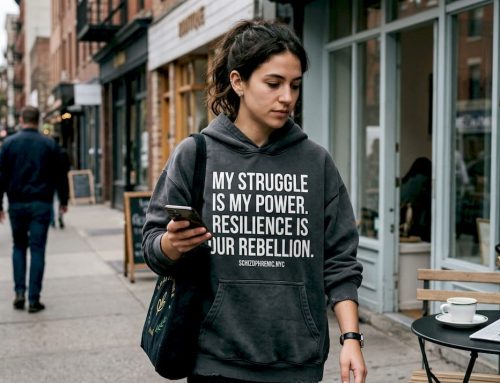
Allyship in mental health is defined as the active, ongoing practice of learning, listening, and advocating alongside people who face mental health challenges. Mental health allies use their position and privilege to reduce stigma, remove barriers, and normalize conversations that many people still fear having. This is not a passive role. Programs like Mental Health First Aid and UCSF’s Mental Health Resilience initiative treat allyship as a skill set, not a personality trait. Understanding allyship in mental health means recognizing that you do not need a clinical background to make a real difference in someone’s life.
Why is allyship in mental health so important?
Mental illness disproportionately affects young adults aged 15–24, making this demographic the most critical focus for allyship support. That statistic points to a hard truth: the people most likely to need support are also the least likely to ask for it, largely because stigma silences them before they can speak.
Mental health stigma does not just hurt feelings. It delays treatment, damages careers, and isolates people from the support systems they need most. Allies directly counter this by creating safe spaces where open dialogue is welcomed rather than punished. When someone knows they can talk without being judged, they are far more likely to seek help early.

The benefits of supporting mental health extend well beyond individual relationships. Workplaces with active mental health allies report stronger team cohesion and lower absenteeism. Communities where mental health conversations are normalized see reduced crisis incidents. Allyship, practiced consistently, shifts culture.
Key reasons mental health allyship matters:
- It reduces the shame that keeps people from seeking professional help
- It creates accountability in workplaces and schools to address mental health policies
- It builds community trust, especially for marginalized groups who face compounded stigma
- It models healthy behavior for others who may be watching but not yet ready to act
What does an effective mental health ally actually do?
Effective mental health allies share one defining quality: they show up consistently without trying to fix the person in front of them. The primary role of an ally is to be a steady, non-judgmental presence that normalizes open conversations. That sounds simple. It is harder than it looks.
Here are the core behaviors that define genuine allyship:
- Listen without an agenda. Resist the urge to offer solutions immediately. Ask open questions like “How are you really doing?” and then stay quiet long enough to hear the answer.
- Educate yourself from reputable sources. Organizations like NIMH (National Institute of Mental Health) and NAMI (National Alliance on Mental Illness) provide evidence-based mental health education that families and friends can trust. Avoid unverified online opinions.
- Advocate against stigma publicly. Call out dismissive language like “just get over it” when you hear it. Speak up in workplaces, schools, and community boards where mental health policies are shaped.
- Respect privacy absolutely. Disclosing someone’s mental health status without their explicit consent breaks trust and can force them into deeper isolation. What someone shares with you stays with you.
- Connect, do not counsel. Allies point people toward professional resources. They do not substitute for therapists, psychiatrists, or crisis counselors.
Pro Tip: Keep a short list of local and national mental health resources on your phone. When a conversation gets serious, you can offer a specific hotline or website rather than a vague suggestion to “get help.”
The distinction between listening and fixing is the most common place allies stumble. People living with conditions like schizophrenia, depression, or anxiety often do not need someone to solve their situation. They need someone to witness it without flinching. That kind of presence is genuinely rare and genuinely powerful.
Individual, interpersonal, and structural allyship: what is the difference?
Allyship does not happen at just one level. It operates across three distinct layers, and understanding each one helps you see where your own efforts can have the most impact.

| Level | Definition | Example |
|---|---|---|
| Individual | Personal learning and attitude shifts | Reading NAMI resources, examining your own biases about mental illness |
| Interpersonal | Supportive action in direct relationships | Checking in on a friend after a hard week, speaking up when a coworker uses stigmatizing language |
| Structural | Advocacy for systemic policy change | Pushing for mental health days at work, supporting insurance parity legislation |
Individual allyship starts internally. You examine what you actually believe about mental illness and you challenge the assumptions that stigma has built into you over years. This is not comfortable work, but it is the foundation everything else rests on.
Interpersonal allyship is where most people spend their time. It shows up in friendships, family dynamics, and workplace relationships. Reading about supporting friends with mental illness gives you concrete language and approaches for these moments. Knowing what to say, and what not to say, matters enormously.
Structural allyship is the most demanding and the most impactful at scale. The ACID model frames structural allyship around four actions: challenging discrimination, defending rights, sharing information, and supporting marginalized groups. True structural allyship sometimes requires personal or professional risk. That is what makes it meaningful.
How do you start and sustain allyship in mental health?
Starting is easier than most people think. Sustaining it is where commitment separates real allies from performative ones. Allyship is validated through consistent action recognized by the people it is meant to support, not through self-declared titles or one-time gestures.
Signs someone may be struggling and needs a gentle check-in:
- Withdrawing from social activities they previously enjoyed
- Expressing hopelessness or making self-deprecating comments repeatedly
- Showing visible changes in energy, hygiene, or focus
- Mentioning that they feel like a burden to others
Formal training accelerates your effectiveness. Mental Health Ally training sessions typically run about 4 hours and teach participants how to identify mental distress and connect people to appropriate resources. Group sessions generally require a minimum of 5 participants. Many counties also offer free 24/7 mental health support and Mental Health First Aid training through public health departments, making access genuinely attainable for most people.
Sustaining allyship requires protecting your own mental health too. Allies who take on too much emotional labor without boundaries burn out quickly, and a burned-out ally helps no one. The goal is to avoid the pseudo-therapist role entirely. Your job is connection and presence, not treatment. Knowing that limit is not a weakness. It is what keeps you effective long-term.
Pro Tip: Schedule a regular check-in with yourself after emotionally heavy conversations. A five-minute debrief, even just writing a few notes, helps you process what you absorbed and prevents it from accumulating.
Resources worth bookmarking include the NIMH website, NAMI’s helpline (1-800-950-NAMI), and community-based mental health support options that cover everything from peer support groups to crisis intervention. Allyship without a resource network is just good intentions. With one, it becomes real help.
Key Takeaways
Allyship in mental health requires consistent, informed action across individual, interpersonal, and structural levels, grounded in listening, education, and respect for privacy.
| Point | Details |
|---|---|
| Allyship is active, not passive | Showing up consistently and non-judgmentally matters more than any single gesture. |
| Young adults need allies most | Mental illness disproportionately affects people aged 15–24, making peer and family allyship critical. |
| Privacy is non-negotiable | Never disclose someone’s mental health status without their explicit consent. |
| Training sharpens your impact | Formal programs like Mental Health First Aid build real skills in about 4 hours. |
| Allies connect, not counsel | Direct people to professional resources rather than trying to solve their mental health challenges yourself. |
What I have learned about allyship after years of living with schizophrenia
People talk about allyship like it is a badge you earn once and wear forever. That is not how it works. I have been on the receiving end of both genuine allyship and the performative kind, and the difference is not subtle.
The allies who actually helped me were not the ones who said the perfect thing. They were the ones who kept showing up after the awkward conversations. They did not pretend to understand what it feels like to hear voices or to navigate a psychiatric system that often feels designed to confuse you. They just stayed. They asked questions. They did not flinch when I answered honestly.
What I see most often is people confusing sympathy with allyship. Sympathy says “I feel bad for you.” Allyship says “I am going to learn enough about your experience to stand beside you without making it about me.” Those are completely different commitments. One requires nothing. The other requires humility, time, and the willingness to be uncomfortable.
The privacy piece is something I feel strongly about. When someone shares their diagnosis with you, that is an act of enormous trust. Sharing it further, even with good intentions, can destroy that person’s sense of safety. I have seen it happen. It pushes people back into silence, which is the exact opposite of what allyship is supposed to do.
Real allyship also means knowing when to step back and point someone toward professional care. I am not a therapist. Neither are you. The most loving thing you can do sometimes is say, “I care about you too much to be your only support. Let me help you find someone qualified.” That is not giving up. That is reducing stigma through action, not just words.
— Michelle
Allyship you can wear: Schizophrenic’s awareness apparel
Conversations about mental health do not always start with words. Sometimes they start with a T-shirt.

At Schizophrenic, every piece of apparel is designed to spark exactly that kind of conversation. Bold graphic mental health T-shirts and awareness tank tops signal allyship before you say a word. They normalize mental health as a topic worth discussing in public, on the subway, at work, and in classrooms. Wearing advocacy is not a substitute for the deeper work of allyship. It is an invitation for others to start. Browse the full collection at Schizophrenic.NYC and find the piece that starts your next conversation.
FAQ
What is the difference between allyship and advocacy in mental health?
Allyship focuses on personal support and relationship-level action, while advocacy targets systemic change through policy and public awareness. Both are necessary, and effective allies often practice both.
Can anyone become a mental health ally?
Yes. Allyship does not require clinical training or lived experience with mental illness. It requires a commitment to learning, listening, and showing up consistently for the people in your life.
How long does Mental Health Ally training take?
Formal Mental Health Ally training sessions typically last about 4 hours and are designed to teach participants how to identify mental distress and connect individuals to professional resources.
What should I avoid doing as a mental health ally?
Avoid disclosing someone’s mental health status without their consent, offering unsolicited advice, or trying to act as a therapist. Connect people to professional care rather than attempting to treat them yourself.
Where can I find reliable mental health education resources?
NIMH and NAMI are the most trusted sources for evidence-based mental health information. Many public health departments also offer free Mental Health First Aid training and 24/7 crisis support lines.
Recommended
- Why Mental Health Conversations Need to Go Deeper Than Hashtags | Schizophrenic.NYC Mental Health Clothing Brand
- What Is Mental Health Intersectionality? A Clear Guide
- Types of Mental Health Support: Your 2026 Guide
- What Is Mental Health Recovery: a Clear Guide