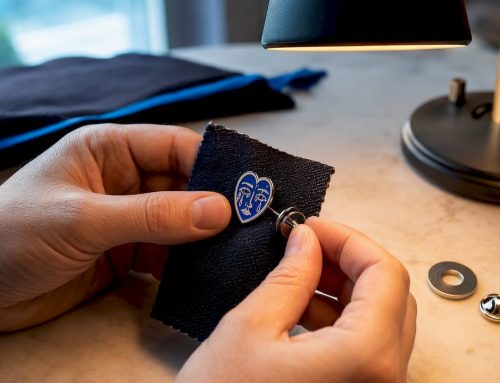
Mad Pride is a survivor-led movement that reclaims the word “Mad” to build community, resist psychiatric oppression, and celebrate mad identity. It grew out of psychiatric survivor activism in the early 1990s and now shows up as street protests, art shows, and parades in cities worldwide. The sections ahead cover where it started, what it believes, how people practice it, and where the sharpest internal disagreements sit.
TL;DR:
- Mad Pride events often feature provocative street theater like bed pushes to dramatize loss of autonomy within psychiatric settings.
- The movement’s core principles include reclaiming language, emphasizing survivor expertise, and advocating for bodily autonomy over treatment decisions.
- Most chapters organize as grassroots, volunteer-led efforts with diverse tactics, making the movement resilient but uneven in visibility and longevity.
- Mad Pride remains contested due to differing views on the term “Mad,” internal friction, limited funding, and its slow influence on policy change.
- Merchandise, artwork, and public speakers like Michelle Hammer extend Mad Pride’s visibility into everyday spaces without requiring active protest.
Table of Contents
- The History of the Mad Pride Movement
- What Does Mad Pride Believe? Core Principles Explained
- What Happens at a Mad Pride Event?
- How Does Mad Pride Relate to Neurodiversity and Mad Studies?
- What Has Mad Pride Achieved, and What Criticism Does It Face?
- Michelle Hammer and Schizophrenic.NYC: Advocacy You Can Wear
- How Far Has Mad Pride Spread, and Does It Look the Same Everywhere?
- Mad Pride and Disability Rights: Connected but Not Identical
- Why Does Mad Pride Still Face Pushback on Acceptance?
- Why This Movement Still Matters
- Ways to Support Mad Pride Causes Beyond Attending an Event
- Sources
- FAQ
The History of the Mad Pride Movement
Mad Pride traces its roots to Parkdale, a Toronto neighborhood with a dense psychiatric survivor community, where organizers held the first Psychiatric Survivor Pride Day in 1993. The date mattered as much as the message. Survivors who had been institutionalized, medicated against their will, or dismissed by mental health systems wanted a public, joyful counterpoint to decades of shame.
The United Kingdom developed its own parallel branch of the movement soon after, with activist groups staging demonstrations that mixed street theater with direct confrontation of psychiatric institutions. According to Wikipedia’s overview of Mad Pride, the movement encourages people labeled “mentally ill” to feel pride in a Mad identity rather than shame, and it has used cultural events, including bed pushes and Patient-Built Wall Tours, to make that pride visible.
Advocacy networks like MindFreedom International later helped track and coordinate Mad Pride actions across borders, giving loosely organized local groups a shared calendar and shared tactics, per that same Wikipedia entry. Toronto’s own festival grew from a single day into a full week of programming, described by Toronto Mad Pride as an art, culture, and heritage festival built by psychiatric survivors themselves.
A rough timeline looks like this:
- 1993: First Psychiatric Survivor Pride Day held in Parkdale, Toronto.
- Mid-to-late 1990s: UK survivor groups adopt Mad Pride framing and stage public bed pushes.
- 2000s: Mad Pride events spread to additional Canadian, American, and European cities.
- 2010s onward: Toronto Mad Pride expands into a multiday festival with art shows, panels, and community programming.
What Does Mad Pride Believe? Core Principles Explained
Mad Pride organizes around a handful of consistent ideas, even though local chapters vary in tone and tactics. The starting point is language. Activists often capitalize “Mad” to mark it as a political and cultural identity, not a diagnosis, which is a deliberate move to strip the word of its clinical weight and hand it back to the people it once described with contempt. You can read more about how this kind of reclamation works in how language shapes stigma.
Four principles show up again and again:
- Reclamation over avoidance. Instead of softening or avoiding words like “mad” or “crazy,” the movement claims them as identity markers, similar to how other rights movements reclaimed slurs.
- Lived experience as authority. Survivors, not only clinicians, are treated as the experts on what helps, what harms, and what needs to change in mental health systems.
- Rights-based framing. Mad Pride treats psychiatric coercion, forced treatment, and involuntary commitment as civil rights issues, not purely medical decisions.
- Peer-led organizing. Events, support groups, and advocacy campaigns are typically run by and for people with lived experience, rather than by clinicians or institutions.
Common practices include peer support circles, protest art, zines, and public speak-outs where survivors describe hospitalization or medication experiences in their own words. The movement doesn’t reject treatment outright. It insists that treatment be a choice made with full information, not something imposed. That distinction shows up in ongoing debates over whether changing psychiatric terminology actually shifts public attitudes or just shifts the vocabulary.
What Happens at a Mad Pride Event?
Mad Pride’s most recognizable tactic is the bed push: activists wheel a hospital bed through city streets, sometimes with a person lying in it, to dramatize the loss of autonomy and the use of force inside psychiatric wards. It’s blunt street theater, and that’s the point. Organizations that track these actions publish guidance on staging them safely and visibly, according to Wikipedia’s account of Mad Pride tactics.
Timing carries its own symbolism. International Mad Pride Day is commonly observed on July 14, deliberately aligned with Bastille Day, and events on or around that date typically include arts, music, poetry readings, and bed push protests meant to raise awareness of barriers within psychiatric care, per Mental Health Matters.
Toronto’s week-long festival is the most developed example of what Mad Pride looks like at scale:
- Patient-Built Wall Tours, which walk attendees through art installations built by current and former psychiatric patients.
- Open mic nights and poetry readings centered on survivor experience.
- Art shows featuring work by artists with lived experience of mental illness.
- Panel discussions on psychiatric rights, medication, and system reform.
Pro Tip: If you’re attending your first Mad Pride event, go as a listener before you go as a participant. These spaces are peer-led, and the most respectful way in is to follow the lead of organizers who’ve lived what they’re talking about.
Accessibility varies by city and venue, so check event listings ahead of time. Wearing visible mental health symbols is common at these gatherings and can be a quiet way to signal solidarity without needing to explain your own story.
How Does Mad Pride Relate to Neurodiversity and Mad Studies?
Mad Pride shares DNA with the neurodiversity movement and disability pride, but the three aren’t interchangeable. Neurodiversity activism centers cognitive differences like autism and ADHD as natural variation rather than disorder. Mad Pride centers experiences historically labeled as severe mental illness, psychosis, and psychiatric disability, and it puts special emphasis on resisting coercive treatment.
Mad Studies is the academic wing that grew alongside the activism. It treats survivor knowledge as a legitimate body of evidence, not anecdote, and it studies psychiatric history, institutional power, and recovery through that lens. Peer-reviewed work in this space pushes back against purely individual, deficit-based models of distress.
Survivor-led activism reframes people as political subjects and stresses social attitudes and collective well-being over individualistic, pathologizing clinical models.
That framing, drawn from analysis published in the BJPsych Bulletin, is the intellectual backbone connecting Mad Pride’s street activism to serious scholarship. It’s also why the movement resists being folded entirely into broader disability or neurodiversity umbrellas: the specific history of forced hospitalization and psychiatric power needs its own vocabulary.
What Has Mad Pride Achieved, and What Criticism Does It Face?
Lived-experience testimony has a track record of shifting policy conversations away from abstract statistics and toward concrete human rights arguments, sometimes influencing more inclusive legislation, as seen in advocacy work covered by Pulse. Mad Pride’s contribution to that shift is visibility. Decades of public bed pushes, festivals, and survivor-authored art have normalized talking openly about psychiatric hospitalization, something that used to happen only in silence or shame.
The movement is also genuinely contested, even among the people it claims to represent.
- Some survivors find the term “Mad” offensive or outdated, arguing it undercuts efforts toward mainstream acceptance.
- The VICE feature on Mad Pride’s UK history notes the movement was intentionally provocative from the start, which built visibility but also built internal friction.
- Sustainability is a recurring concern, since most chapters run on volunteer labor and small grants rather than stable funding.
- There’s no single universally accepted definition of what Mad Pride is or should be, which makes coordinated messaging difficult across cities and countries.
Evidence on long-term policy impact remains limited. Most documentation is qualitative, drawn from event records and personal accounts rather than controlled studies, so claims about measurable outcomes deserve caution.
Michelle Hammer and Schizophrenic.NYC: Advocacy You Can Wear
Michelle Hammer lives with schizophrenia and built Schizophrenic.NYC as a direct response to the silence she experienced around her own diagnosis. Her platform uses bold graphic artwork, printed on clothing and accessories, to force conversations that most people would rather avoid, according to information published on Schizophrenic.NYC.
That mission overlaps directly with what Mad Pride events are trying to do in public space: make invisible experience visible.
- Apparel and pillboxes carry blunt, unapologetic messaging about living with mental illness.
- Tote bags and artwork function as portable conversation starters, at Mad Pride events or on a subway platform.
- Speaking engagements let Michelle bring survivor testimony directly into schools, workplaces, and conferences.
- Blog content and community stories extend the same reclamation work Mad Pride does, just in written form.
How Far Has Mad Pride Spread, and Does It Look the Same Everywhere?
Mad Pride started as a Toronto and UK phenomenon, but it didn’t stay contained to those two places. Chapters and one-off events have appeared across Canada, the United States, parts of Europe, and beyond, usually organized by local survivor groups rather than a centralized international body.
That decentralization means Mad Pride looks different depending on where you find it. A city with a strong psychiatric survivor history, like Toronto, tends to run a multiday festival with formal programming. A smaller community might mark Mad Pride Day with a single gathering, a poetry night, or a modest protest. Some places lean hard into confrontational tactics like bed pushes; others emphasize art shows and quiet community building over street theater.
What stays consistent is the underlying goal: create a space where psychiatric survivors set the agenda instead of clinicians or policymakers. The July 14 date gives scattered chapters a shared moment even without shared infrastructure, letting a small group in one city and a large festival in another mark the same occasion in their own way.
This patchwork growth is also a practical reality of survivor-led organizing. Without major institutional funding, growth depends on word of mouth, personal networks, and whoever has the energy to organize a local event that year. That makes the movement resilient in some ways and fragile in others, since momentum can fade quickly when a key organizer steps back.
Mad Pride and Disability Rights: Connected but Not Identical
Mad Pride and the broader disability rights movement share a political ancestor: both reject a purely medical framing of difference in favor of a social and rights-based one. Disability rights activism argues that barriers, not impairments, create disability. Mad Pride applies a similar logic to psychiatric experience, arguing that coercion and stigma, not distress itself, cause much of the harm survivors face.

The overlap is real enough that many Mad Pride events sit comfortably alongside disability pride programming, and organizers often draw on disability rights legal strategies when pushing back against forced treatment laws. Both movements use pride-based public events as a deliberate inversion of shame.
The distinction matters, though. Disability rights law and advocacy often center physical and developmental disabilities where accommodation is the primary demand: ramps, interpreters, flexible schedules. Mad Pride’s central demand is different: bodily autonomy over treatment decisions, freedom from involuntary commitment, and the right to define one’s own psychiatric experience. A person using a wheelchair and a person who survived forced hospitalization may both benefit from disability rights frameworks, but they’re fighting different specific battles within that shared frame.
Why Does Mad Pride Still Face Pushback on Acceptance?
Stigma reduction is slower than most activists would like, and Mad Pride runs into a specific problem the neurodiversity movement doesn’t face as sharply: the conditions it centers, including psychosis and severe mental illness, are still widely associated with danger and unpredictability in public perception, regardless of what the evidence actually shows.
That perception gap creates a real tension. The more provocative Mad Pride’s tactics are, bed pushes, reclaiming slurs, loud public protest, the more visibility it generates, but also the more it risks reinforcing the “unpredictable” stereotype in viewers who don’t understand the context. The VICE retrospective points out this same tension shaped internal debate even within the UK movement’s early years.
Funding and institutional support remain thin. Mental health systems, insurers, and even some mainstream mental illness advocacy groups keep a cautious distance from a movement built partly on distrust of psychiatric authority. That leaves most Mad Pride organizing dependent on volunteer labor and small-scale community fundraising rather than the kind of institutional backing that, say, breast cancer awareness campaigns enjoy.
Media coverage tends to flatten the movement into either a feel-good diversity story or a fringe curiosity, missing the substantive policy arguments underneath. Building lasting acceptance likely requires more sustained journalism, more peer-reviewed research like the BJPsych Bulletin analysis, and more consistent local organizing than any single festival or protest can deliver on its own.

Why This Movement Still Matters
Mad Pride still matters because dignity isn’t a side issue in mental health, it’s the foundation everything else stands on. Learn from survivors before you speak for them, and if you attend a community-led event, follow the lead of the people who built it. There’s more to explore in how art and lived experience intersect with advocacy.
— Michelle
Ways to Support Mad Pride Causes Beyond Attending an Event
Not everyone can organize a bed push or speak at a rally, and that’s fine. Schizophrenic.NYC exists as a lower-friction option for the same goal: getting mental health conversations out into public spaces where they usually don’t happen. Wearing a shirt that states a diagnosis plainly does some of the same work a Mad Pride protest sign does, just at the scale of a sidewalk instead of a street.
A few concrete ways to put support into action: pick up something from the Mental Health T-Shirts collection or the hoodies and sweatshirts line and wear it somewhere that conversation feels overdue. If you organize events, panels, or workplace trainings, Hiring Michelle for public speaking brings direct, first-person testimony into the room instead of a secondhand summary. Michelle’s original artwork, sold as prints and on accessories through Michelle’s Artwork, gives you another way to put survivor-made work into your home or your next event’s décor. None of this replaces community organizing, but it’s a real, accessible entry point if you’re not ready to march yet.
This article is general information, not a substitute for advice from a qualified doctor. Consult a qualified healthcare professional about your own circumstances before acting on anything here.
Sources
- Mad pride — Wikipedia
- What is Mad Pride? – Toronto Mad Pride
- What is Mad Pride? – Mental Health Matters
- Silver linings: how mental health activists can help us navigate wicked problems — BJPsych Bulletin (Cambridge)
- Remembering Mad Pride, The Movement That Celebrated Mental Illness — VICE
FAQ
What Is Mad Pride and What Does It Believe In?
Mad Pride is a survivor-led movement that encourages people labeled mentally ill to take pride in a “Mad” identity instead of feeling shame, according to Wikipedia. It believes in reclaiming stigmatizing language, treating lived experience as a form of expertise, and framing psychiatric coercion as a rights issue rather than a purely medical matter.
What Is the Mad Liberation Movement?
“Mad Liberation” is a term some activists use interchangeably with Mad Pride, emphasizing freedom from forced psychiatric treatment and institutional control rather than just cultural celebration. It shares the same roots in survivor organizing and the same rights-based framing described by Toronto Mad Pride, with a sharper focus on legal and policy change.
Which President Defunded Mental Health Services?
This question usually points to federal budget cuts and policy shifts over multiple decades rather than a single decision by one president, and mental health funding history is not something this article’s sources address in detail. Readers looking for that specific policy history should consult dedicated federal budget and mental health policy sources rather than treat it as settled by activism history alone.
What Is Britney Spears Diagnosed With?
Britney Spears’s specific medical diagnosis is not something covered in the sources for this article, and speculating on a private individual’s diagnosis without a credible primary source would be irresponsible. What is publicly documented is her conservatorship case, which many mental health and disability rights advocates cite as a real-world example of the autonomy concerns Mad Pride raises.
Does Schizophrenic.NYC Sell Mad Pride Merchandise Specifically?
Schizophrenic.NYC doesn’t sell items branded as official Mad Pride merchandise, but it does sell mental health advocacy apparel, pillboxes, and artwork that align with the same reclaiming-language mission, including T-shirts and original artwork. Current prices are listed directly on the site for each product line.
Recommended
- Wearable Art Activism: Make Fashion Your Message
- Wearable Art That Reduces Schizophrenia Stigma, Backed by Trials
- The Role of Clothing in Advocacy: A 2026 Guide
- The Schizophrenia Collective: Reducing Stigma Through Fashion and Art