Short answer: schizophrenia does not reliably make someone more creative. The strongest meta-analytic review finds that standardized creativity tests usually show lower performance in diagnosed individuals, while population-level studies and genetic research suggest family-level links to artistic professions. Creative expression can still matter deeply for people living with the illness, even when the lab numbers look discouraging.
TL;DR:
- Creativity scores tend to be lower in people with schizophrenia, especially for chronic and inpatient cases, according to meta-analyses.
- Family and genetic studies reveal shared links between artistic professions and risk factors for schizophrenia, not necessarily higher creativity in diagnosed individuals.
- Mild schizotypal traits may enhance associative thinking, but active illness usually impairs executive control and motivation needed for creative work.
- Standard creativity tests often fail to capture genuine artistic expression, which is better understood through qualitative and ecological observations.
- Effective treatment and community support help maintain creative activities by managing symptoms and improving functional stability.
Table of Contents
- What the major studies actually found
- Why some traits might help while illness often hurts
- Why lab tests and real art tell different stories
- Art as identity, not just output
- Treatment, support, and protecting creative life
- Separating the myth of genius from the person in front of you
- Wearable art and advocacy from Schizophrenic.NYC
- FAQ
- Sources
What the major studies actually found
Three kinds of evidence get cited again and again in this debate, and each one tells a different part of the story. A meta-analytic review pooling many studies found that creativity scores tend to run lower, not higher, in people diagnosed with schizophrenia, with chronic and inpatient samples showing the steepest drops. A large Swedish registry study took a different angle: it looked at hundreds of thousands of people and found that those who completed artistic education had higher odds of later being hospitalized for schizophrenia, and that relatives of people with the illness were overrepresented in creative occupations. Genetic research adds a third layer, tying polygenic risk scores for psychiatric illness to a greater likelihood of working in a creative field.
- Meta-analysis: diagnosed individuals score lower on standard creativity tests, especially with chronic illness.
- Population registry: artistic education carries higher odds of later schizophrenia diagnosis; relatives cluster in creative jobs.
- Genetic studies: shared genetic risk connects psychiatric vulnerability with creative professions, not with symptoms themselves.
Put together, these findings point away from the idea that psychosis itself sparks genius. They point toward something quieter: a shared family and genetic thread that touches both vulnerability to illness and a pull toward the arts.
Why some traits might help while illness often hurts
Researchers have tried to make sense of this split with a model borrowed from stress research: the inverted U. The idea is that mild schizotypal traits, like unusual associations between ideas or a loosened sense of perceptual boundaries, can actually widen the net of ideas someone considers. Push those traits further into full psychosis, though, and the same loosening starts to work against a person instead of for them.
- Schizotypal traits at a mild level include unusual associative thinking and heightened openness to perception.
- Executive control and working memory, both often impaired in schizophrenia, are what turn raw ideas into finished creative work.
- Negative symptoms, like low motivation and flattened affect, can quietly shut down the follow-through that creativity requires, regardless of how original the initial idea was.
One meta-analysis reported a negative correlation between schizophrenia and creativity measures, with worse performance on verbal and convergent thinking tasks, with the weakest performance on verbal and convergent-thinking tasks, according to the same meta-analytic review. That negative average does not rule out bursts of unusual thinking. It does mean the overall pattern, across many people and many tests, leans toward impairment rather than enhancement.
Why lab tests and real art tell different stories
Part of the disagreement in this field comes down to what gets measured. A typical creativity test asks someone to list unusual uses for a brick or generate as many ideas as possible in two minutes, scoring for fluency, flexibility, originality, and elaboration. That is a narrow slice of what creativity looks like outside a lab.
- Standard tests reward speed and quantity of ideas, which cognitive symptoms can directly suppress.
- Illness severity matters: outpatients and people early in treatment tend to score closer to the general population than chronic inpatients.
- Age and test type also shift results, with some studies finding milder effects on visual or artistic tasks than on verbal ones.
A phenomenological review argues that these standard measures can miss real creative output entirely, since a painting or a piece of writing that communicates an altered inner experience does not always register on a fluency scorecard. Pairing lab measures with qualitative case studies and ecological observation gives a fuller picture than either approach alone.
Art as identity, not just output
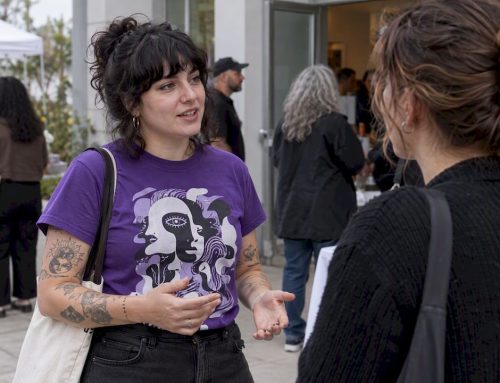
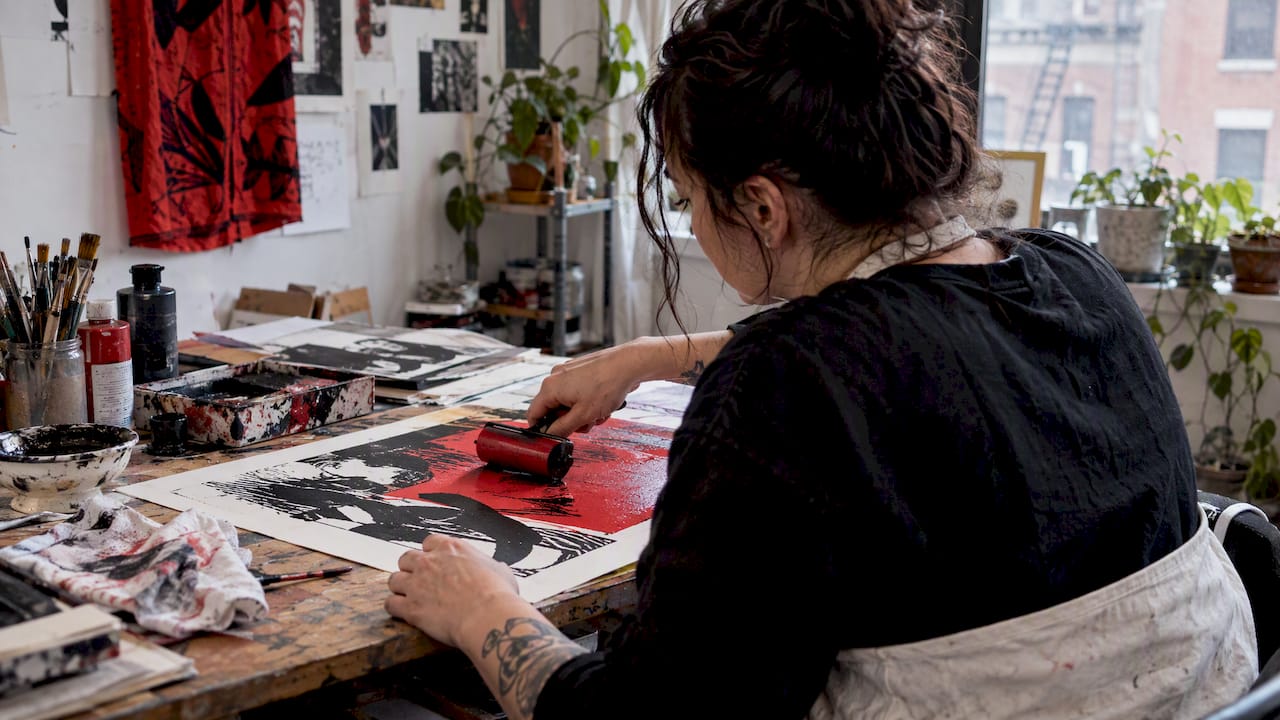
Lived experience adds something the data cannot: a sense of why creative work matters even when it does not show up as a higher test score. Wearable art and personal storytelling, the kind we build our own work around, give people a way to name an experience that is often hard to put into words and hand it to someone else to look at.
- Sharing art tied to a personal mental health journey can open conversations that stigma usually shuts down.
- Creative work can coexist with real limits: a bad week of symptoms can stall a project even when the ideas behind it are strong.
- Talking about schizophrenia and creativity works best without romanticizing either one. Respectful language treats the art and the illness as two separate, true things, not one glamorous package.
Treatment, support, and protecting creative life
Good treatment is what actually protects someone’s ability to keep making things. Coordinated specialty care programs, studied through the RAISE initiative, show better retention in treatment, reduced symptoms, and more involvement in work and school after a first episode of psychosis. That functional stability, not the illness itself, is usually what makes room for sustained creative work.
Medication is part of this picture, and it is rarely a simple trade. Some antipsychotics can blunt motivation or slow cognitive processing in ways that interfere with creative output, which is why ongoing conversation with a prescriber about dose and side effects matters more than sticking rigidly to one plan. A Psychiatric Advance Directive lets someone record their treatment preferences while stable, so that a future crisis does not automatically mean losing a say over choices that affect their creative life.
- Ask about coordinated specialty care if you or a loved one is early in a diagnosis.
- Discuss a Psychiatric Advance Directive with a clinician while symptoms are stable.
- Look into community arts programs built around mental health rather than performance.
- Ask about reasonable accommodations at work or in a studio setting, like flexible deadlines.
Pro Tip: Work with a clinician on lower-dose strategies and psychosocial support, like cognitive behavioral therapy for psychosis, before giving up on a creative project that symptoms are interrupting.
Separating the myth of genius from the person in front of you

The “mad genius” idea is seductive because it offers a silver lining to a serious illness, but it can do real harm. It can make people delay treatment because they fear losing some imagined creative edge, and it flattens a complicated life into a trope. What the research actually supports is more modest and, I think, more honest: some traits connected to schizophrenia risk can widen how a mind associates ideas, while the illness itself, when active, tends to make finishing anything harder.
Creative work still matters as identity and as a way through hard stretches, regardless of whether it shows up on a fluency test. That is the story we try to tell through advocacy and through sharing people’s own words.
— Michelle
Wearable art and advocacy from Schizophrenic.NYC
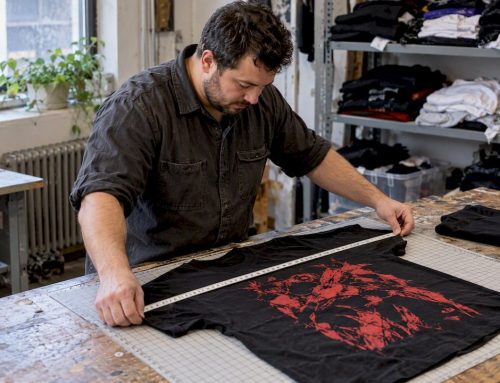
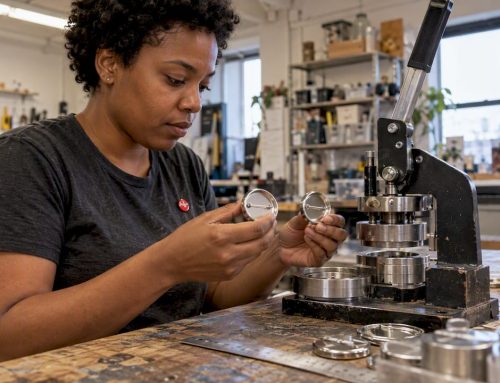
We built Schizophrenic around exactly this idea: that creative expression and clinical reality can sit side by side without one canceling out the other. Our shop carries mental health-themed T-shirts, hoodies, pillboxes, and original prints designed to start conversations rather than end them, alongside speaking engagements where we share lived experience directly with audiences.
None of this replaces clinical care. It is advocacy and creative work, built to make the conversation around schizophrenia a little more honest. If you want to see how we translate personal experience into tangible pieces, our guide on creative mental health expression walks through that process, and our shop has the full collection if you want to wear a piece of that conversation yourself.
This article is general information, not a substitute for advice from a qualified doctor. Consult a qualified healthcare professional about your own circumstances before acting on anything here.

FAQ
Is it possible for someone with schizophrenia to live alone?
Many people with schizophrenia live independently, especially with consistent treatment, stable medication, and community support in place. Independence often depends more on symptom management and access to services like coordinated specialty care than on diagnosis alone.
How is schizophrenia managed?
Management typically combines antipsychotic medication with psychosocial supports such as cognitive behavioral therapy for psychosis, supported employment or education, and family education, according to NIMH. Coordinated specialty care has shown particularly strong results when started early after a first episode.
What are the symptoms of schizophrenia?
Symptoms generally fall into three groups: positive symptoms like hallucinations and delusions, negative symptoms like reduced motivation and flattened emotional expression, and cognitive symptoms affecting memory and focus, as described by NIMH. These symptom groups can shift in intensity over time and respond differently to treatment.
How to help someone with schizophrenia who refuses treatment?
Nonconfrontational conversation, patience, and focusing on shared goals rather than diagnosis tend to work better than pressure or ultimatums, as explored in our guide for families facing treatment refusal. A Psychiatric Advance Directive, created while someone is stable, can also give families a clearer path if a crisis happens later.
Sources
- Schizophrenia and creativity: A meta-analytic review (Acar et al.)
- Artistic creativity and risk for schizophrenia, bipolar disorder and unipolar depression: a Swedish population-based case–control study and sib-pair analysis
- Genetic variation links creativity to psychiatric disorders (Keller et al.)
- Frontiers — integrative ecological/phenomenological perspectives on creativity in schizophrenia
- Evidence-based treatments for first-episode psychosis (RAISE/NIMH PDF)
Recommended
- How I’ve used art to express my journey with schizophrenia and reduce stigma around mental illness
- I’m an Artist Living with Schizophrenia | Michelle Hammer
- Wearable Art That Reduces Schizophrenia Stigma, Backed by Trials
- The Schizophrenia Collective: Reducing Stigma Through Fashion and Art