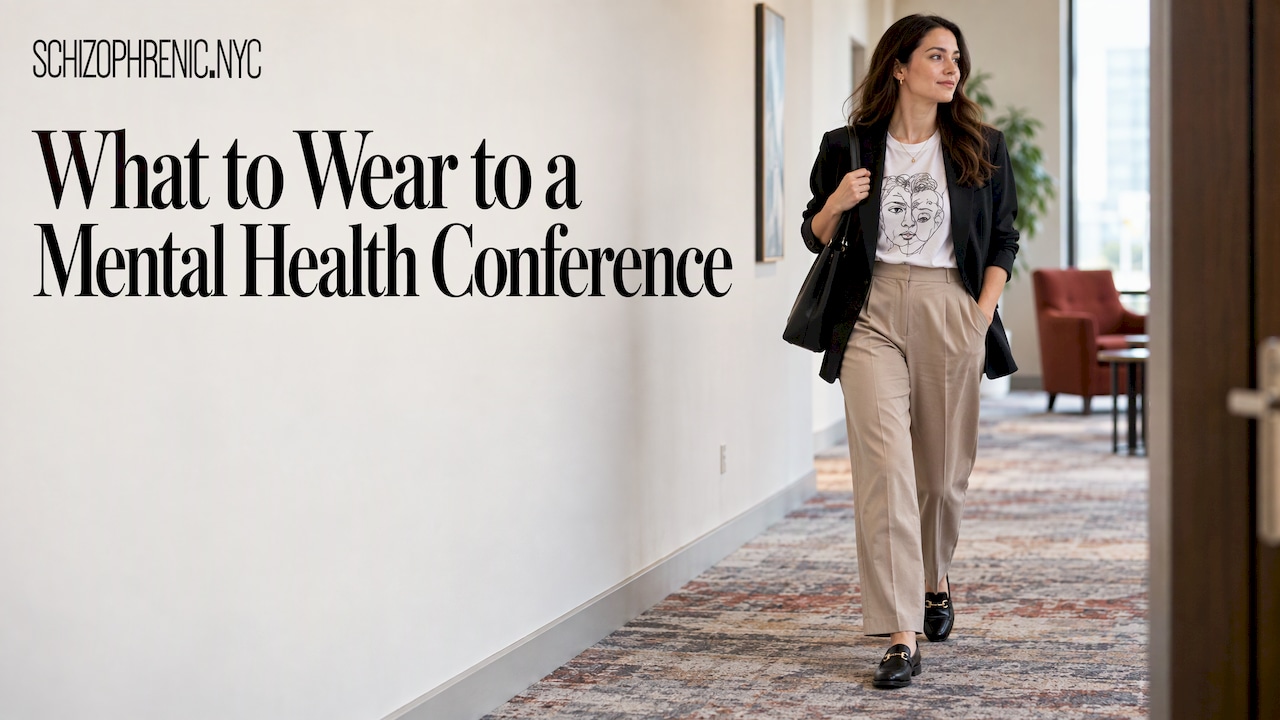
Wear business casual, dress in layers, choose shoes you can stand in all day, and add one piece that says something about why you are there. That is the formula that works whether you are a clinician, a peer advocate, a student, a speaker or someone attending your first event. Conference organizers say the same thing, and the last part is where you get to be yourself.
This guide covers the dress code you will actually meet, how to stay comfortable from the first session to the evening reception, and how to wear an awareness message with confidence. At Schizophrenic.NYC we make mental health clothing and accessories designed to start conversations, so we have strong feelings about that last piece.
TL;DR
- Business casual is the standard at mental health and behavioral health conferences in the US, from EMDRIA to AUCD.
- Layer up: meeting rooms run cold, and a cardigan, blazer or hoodie solves it.
- Comfortable shoes matter more than almost anything else on a multi-day schedule.
- Pick one advocacy piece, such as a tee under a blazer, a pair of earrings or a button, and keep the rest of the outfit simple.
- Skip heavy fragrance and bring something grounding for overstimulating moments.
Table of Contents
- What conference organizers actually say
- Build a conference outfit that lasts all day
- What therapists and clinicians tend to wear
- How to wear an awareness message at a conference
- A worked example: three days, one carry-on
- Our perspective
- Find your conference piece
- FAQ
- Sources
What conference organizers actually say
It helps to start with what the events publish themselves. The pattern is remarkably consistent.
- The EMDRIA 2026 attendee guide recommends business casual that is professional, comfortable and conference-ready, with layers because rooms can be chilly, comfortable walking shoes, and an optional outfit for evening receptions.
- The 2026 International Conference on ADHD lists business or smart casual, warns that meeting rooms may feel cold, and also recommends comfortable walking shoes.
- The AUCD conference FAQs say business casual is typical and suggest comfortable shoes and layers.
- Lyra Health’s Breakthrough 2026 FAQ says business casual is appropriate for every activity, evening events included.
So if you are asking what to wear during a conference and you have no other information, business casual with layers and good shoes is safe nearly everywhere. Always check the event’s own attendee guide or FAQ, because dress codes differ a little from one organization to the next.
What business casual means in practice
Business casual is vague on purpose, so here is a concrete version. The Society for Personality Assessment describes its range as collared shirts, blouses, polos, fine-knit sweaters, dress slacks, chinos, tailored skirts, professional dresses, and cardigans or blazers. For shoes it lists loafers, oxfords, dress sneakers, pumps, kitten heels, mules and Chelsea boots. It advises avoiding jeans, shorts, athletic wear and flip flops at its event.
That last list is worth noticing. A more academic or clinical meeting tends to sit toward the formal end. A community-centered or advocacy event often leans more relaxed. When in doubt, dress one notch up from what you think the room will be, then let your accessories and one graphic piece carry your personality.
Build a conference outfit that lasts all day
A conference day is long: early registration, back-to-back sessions, hallway conversations, a lunch you eat standing up and often an evening reception. Plan the outfit for the whole arc, not just the morning.
Layers beat any single perfect piece
Cold meeting rooms come up in nearly every attendee guide above, and for good reason: large ballrooms are cooled for crowds. The EMDRIA FAQ tells attendees to bring comfortable clothing and dress in layers. A simple three-layer approach:
- Base: a tee, tank top or blouse you feel good in.
- Middle: a cardigan, fine-knit sweater or lightweight hoodie.
- Outer: a blazer or structured jacket for sessions, panels and the reception.
With that setup you can adjust in seconds without leaving a session. If you tend to run warm in crowds, a tank top as your base layer is the easiest way to stay cool and still look put together once the jacket goes on.
Shoes decide how your day goes
Organizers recommend comfortable walking shoes because conference centers and hotels are enormous, and you may walk several miles between rooms, the exhibit hall and the dining area. Pick something broken in, not new. If you are weighing dress sneakers against loafers, this guide to choosing sneakers or loafers for work walks through the questions that decide it, and the same logic applies to a long conference day.
Comfort is also sensory
Mental health conferences are full of people and conversations, and they can be overstimulating. The EMDRIA attendee guide suggests bringing comfort, grounding or sensory-support items, and asks guests to skip heavily scented fragrances out of consideration for people with sensitivities, allergies, asthma or migraines. A travel guide from ACES lists a sensory toolkit for events that includes comfort items, noise-canceling headphones and favorite snacks.

For your outfit, that translates into soft fabrics, no scratchy tags, pockets for small grounding objects, and a tote bag big enough to carry a sweater, water and a snack. Accessibility accommodations are also available at many events on request, so ask the organizers early if you need one.
Matching the outfit to the setting
| Setting | What works | Where your advocacy piece goes |
|---|---|---|
| Clinical or research sessions | Tailored trousers or skirt, blouse or knit top, blazer | A button or small pin on the lapel, or earrings |
| Panel or keynote (speaker) | Simple, solid colors, structured layer | A subtle accessory; keep graphics from competing with your message |
| Exhibit hall and networking | Business casual with comfortable shoes | A tote bag or tee under a cardigan |
| Evening reception or awards | Business casual, optionally a bit more polished | A tee under a blazer, or statement jewelry |
| Community walk or rally | Neat, comfortable casual or athletic wear | A graphic tee, tank or hoodie worn proudly |
The last two rows follow the advice in a guide to advocacy outfits at fundraisers: more polish for a gala, forgiving casual wear for a community walk, and simpler graphics for speakers and organization representatives so the clothing does not compete with what they say.
What therapists and clinicians tend to wear
If you work in the field, you already know that clothing sends a signal before you say a word. A style guide for mental health professionals, Eveyou’s guide for psychologists and counselors, describes clothing as nonverbal communication. It suggests tailored blazers, blouses and knit tops in neutral or calming tones, tailored trousers or midi skirts, and comfortable footwear such as block heels, ballet flats or loafers. It pairs a soft cardigan with wide-leg pants for a nurturing feel and structured pieces for a sense of readiness.
If the event includes professional branding photos, as one Phoenix conference for therapists does, the advice there is business casual or attire that reflects your professional brand. That is a good place for your one distinctive piece to show up in a photo you will use for a year.
How to wear an awareness message at a conference
This is the part most outfit guides skip, and it is where a mental health event differs from any other. Many people at these conferences are there because mental health is personal, whether through lived experience, a family member, their clients or their work. Wearing a message is a way to say so without saying a word.
The one-piece rule
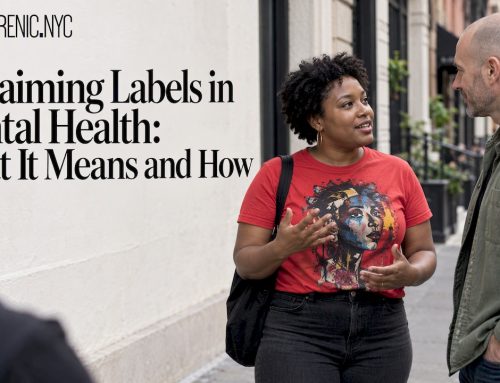
The simplest approach is also the best looking: one visible advocacy piece, and everything else calm. A guide to accessorizing for mental health events recommends a message base layer such as a graphic tee, tank or hoodie, one statement accessory, a neutral remainder (black jeans, white sneakers, a simple cardigan), and a pin or button on the outer layer as a second, smaller signal.
At a business casual conference, you can adapt it like this:
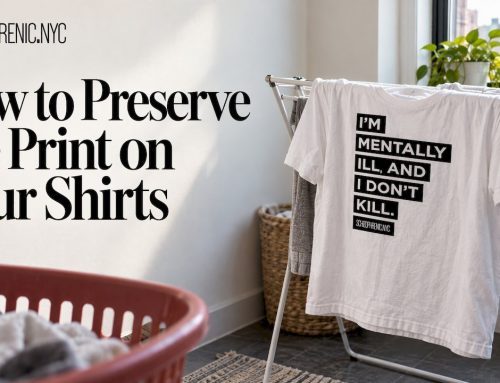
- Graphic tee under a blazer or cardigan. The message peeks out and you stay within the dress code. A tee like our Define Normal Mental Health Tee in white works well under a dark jacket, and so does Psych Meds Keep It Real when you want a conversation starter in the hallway.
- Earrings as your statement. If a graphic tee feels like too much for a clinical session, jewelry carries a message quietly. Our Strap Design Mental Health Awareness Earrings are one option, and you can browse more in our earrings collection.
- A tote bag. It holds your sweater, water and conference materials and doubles as a message. See our mental health awareness tote bags.
- A hoodie for the casual days. For community events, rallies and the long flight home, our mental health hoodies and sweatshirts are an easy layer.
Choose a clear, respectful message
Pick words and art that read as supportive and human, not as a joke at the expense of anyone’s illness. Keep clothing clean and well fitted, and if an event has a color or ribbon theme, check with the organizers. Green is the color most associated with mental health awareness, and Mental Health America has led Mental Health Awareness Month every May since it founded it in 1949. If you attend during May, an event may lean into that theme.
Think about your own boundaries
Wearing an awareness message invites questions. That is the point, but you get to decide how much you share. Decide before you leave the hotel room what you are willing to talk about, and have a friendly line ready for what you are not. A neurodivergent-networking guide by Helen Lindop advises wearing something that makes you feel professional but comfortable, and scouting a quiet room or nearby park as an escape plan. Those two ideas work together: dress for confidence and know where you can take a break.
A worked example: three days, one carry-on
Say you are attending a three-day behavioral health conference in a hotel ballroom, and you are flying in with one bag.
Day one (opening sessions): dark trousers, a white tee with a message, a gray cardigan, comfortable loafers. Add a button on the cardigan.
Day two (panels and networking): the same trousers, a different base such as a tank top under a blazer, the same shoes, and earrings as your statement. A tote bag carries the materials.

Day three and the reception: swap in a dress or skirt, or keep the trousers and put the graphic tee under a fresh blazer. Keep the shoes. Skip fragrance.
That is two bottoms, three tops, two layers, one pair of shoes and a few accessories. Everything mixes, nothing needs ironing in a hotel room, and your message appears on every day without repeating the exact same look.
Our perspective
I started making this clothing because I wanted people to be able to talk about schizophrenia without whispering. I have lived with it, and I know how much a stranger’s smile at the right moment can mean.
A conference is one of the best places to wear that kind of message. Everyone in the room already cares about mental health, so a tee, a pair of earrings or a button turns a polite nod into a real conversation. Someone will tell you why it matters to them. That is how stigma shrinks, one exchange at a time.
That is why we design bold graphic pieces by a person with lived experience, and why we think the best conference outfit is a professional one with a single piece that says what you believe. Wear it with confidence. You belong in that room.
Michelle
Find your conference piece
If you are ready to put the one-piece rule into practice, start with our mental health T-shirts for a layer under a blazer, or our tank tops as a base layer. For smaller signals, our shop also has buttons, earrings, pillboxes and tote bags, and the full range is at Schizophrenic.NYC. If you want to know more about what a mental health clothing line is for, we explain it on our page about mental health clothing.
FAQ
What do mental health therapists wear to conferences?
Most wear business casual: blazers or cardigans, blouses or knit tops, tailored trousers or skirts, and comfortable shoes such as loafers or flats. Many choose neutral or calming colors. If photos are part of the event, they often add one item that reflects their professional brand.
Can I wear a mental health awareness T-shirt to a conference?
Yes, and many attendees do. Choose a message that is clear and respectful, make sure the shirt is clean and fits well, and layer it under a blazer or cardigan at more formal events. At community events and walks, you can wear it on its own.
What should I wear in a cold conference room?
Bring a cardigan, fine-knit sweater or blazer you can add or remove easily. Several organizers, including EMDRIA and the ADHD conference, specifically warn that meeting rooms can feel cold and recommend dressing in layers.
Is it okay to wear sneakers?
Often, yes, if they are clean and look polished. The Society for Personality Assessment lists dress sneakers among its acceptable shoes, though it advises against athletic wear. Check your event’s guide, and prioritize comfort because you will walk and stand a lot.
Sources
- Attendee Guide, 2026 EMDRIA Conference
- FAQs, 2026 EMDRIA Conference
- General Information, 2026 International Conference on ADHD
- AUCD conference FAQs
- Breakthrough 2026 FAQ, Lyra Health
- FAQs & More, Society for Personality Assessment
- Mental Health Month 2026, Mental Health America
- ACES travel guide for students with disabilities
- Networking for the neurodivergent, Helen Lindop
- Keeping Your License & Your Sanity Conference
- Fashion tips for psychologists and counselors
- Outfits that spark conversations at mental health fundraisers
- Ways to accessorize for mental health events in 2026
- Sneakers or loafers for work
Recommended
- Mental Health Walk Outfits: 10 Comfortable Advocacy Looks
- Ways to Accessorize for Mental Health Events in 2026
- Outfits That Spark Conversations at Mental Health Fundraisers
- What Should I Wear To Support Mental Health?