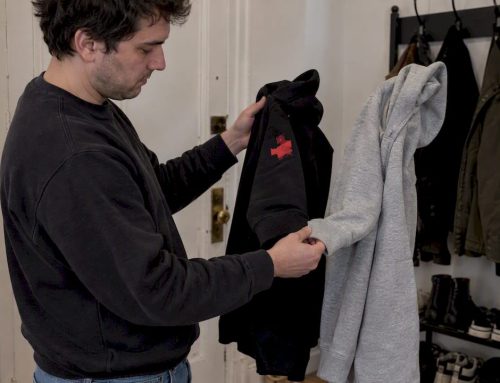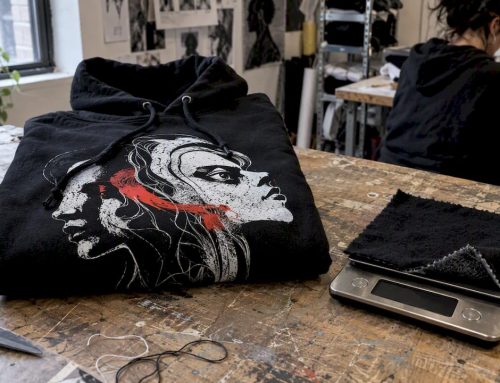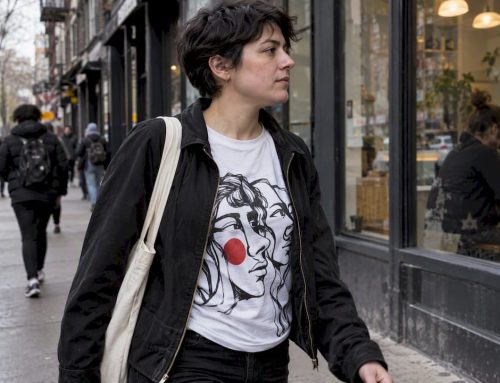
Creative advocacy is defined as the strategic, ethical use of creative mediums to communicate social or environmental issues and inspire systemic change. It blends aesthetic expression with purposeful communication to shift public narratives and influence policy. Unlike traditional advocacy, which relies on petitions, lobbying, or press releases, creative advocacy uses art, storytelling, and design thinking to make complex issues feel personal and urgent. At Schizophrenic, this approach is the foundation of everything we do. Wearable art and bold graphic design become tools for anti-stigma advocacy, turning everyday clothing into conversation starters about mental health.
What is creative advocacy and how does it work?
Creative advocacy is a strategic and ethical approach using creative mediums to communicate social or environmental issues and inspire systemic change. The word “creative” here is not decorative. It describes a deliberate process where artistic choices serve a specific advocacy goal, whether that goal is changing a law, shifting public perception, or building community solidarity.
The industry also uses the term “creative activism” to describe this practice. Both phrases refer to the same core idea: creativity as a tool for social change, not just self-expression. Creativity within advocacy is a strategic, iterative process that balances art with clear behavioral or policy objectives. Focusing on art alone often undermines those objectives.

What separates creative advocacy from general awareness campaigns is its commitment to a measurable outcome. A beautiful mural that moves people emotionally is art. That same mural, placed outside a city council building the week before a housing vote, is creative advocacy. The context, timing, and intention make the difference.
How does creative advocacy work in practice?
Effective creative advocacy follows a four-step process: observation, invention, critique, and action. Each step builds on the last, and skipping one weakens the whole campaign.
- Observation. Study the issue deeply. Understand who is affected, what they feel, and where public attention already exists. Good creative advocacy does not force a narrative. It finds the one already forming and amplifies it.
- Invention. Generate creative concepts that connect the issue to a feeling, image, or story people already recognize. This is where brainstorming happens, and where unexpected formats like floor stickers, parody songs, or wearable art enter the picture.
- Critique. Test the concept against the advocacy goal. Ask whether the creative idea actually moves people toward action or just entertains them. This step is where many campaigns lose focus.
- Action. Execute and distribute. Choose channels that reach the right audience at the right moment. Measure what changes.
Pro Tip: Before launching any creative campaign, write one sentence that completes this phrase: “After seeing this, I want my audience to ___.” If you cannot finish that sentence clearly, the concept needs more work.
Guerrilla tactics in creative advocacy often require minimal or zero financial investment, using existing public infrastructure to deliver impactful messages. A transit floor, a social media interface, or a T-shirt can all become platforms. The constraint of a small budget often produces more creative solutions than a large one, because it forces advocates to think about what already exists in the public’s daily life.
The 2026 “Look Up” floor sticker campaign in London placed stickers on transit floors to address phone distraction and transport safety. It generated 750,000 impressions without any media spend. That result shows what happens when timing, placement, and message align perfectly.

What are the benefits of creative advocacy over traditional methods?
Creative advocacy reaches people that traditional advocacy misses. Petitions and press releases speak to those already paying attention. Art, music, and storytelling reach people who are not looking for a cause but are open to one.
- Broader audience reach. Creative formats cross demographic lines. A parody song or a striking visual travels through social networks without requiring the audience to already care about the issue.
- Emotional connection. Storytelling in advocacy humanizes data. When people feel something, they remember it and act on it.
- Resource efficiency. Creative campaigns can achieve massive visibility on minimal budgets. The “Look Up” campaign and a related parody song together reached 366 million people without traditional media spend. That scale is nearly impossible through conventional lobbying alone.
- Cultural adaptability. Creative advocacy can respond quickly to shifting public sentiment. A campaign can pivot its visual language or tone to match a cultural moment in ways that formal advocacy structures cannot.
- Humanizing complex issues. Creative advocacy in healthcare humanizes patient experiences, improving treatment adherence through storytelling and art. The same principle applies to mental health, climate, and gun violence.
“Creative advocacy needs to go beyond awareness and challenge institutions using systemic societal tools to compel accountability. Raising awareness is the floor, not the ceiling.”
That distinction matters. The most effective campaigns do not stop at making people feel something. They translate that feeling into a specific demand on a specific institution.
What are some notable examples of creative advocacy campaigns?
Real campaigns show what the definition of creative advocacy looks like when it works. Three recent examples stand out for their creativity, reach, and measurable impact.
The “Look Up” floor sticker campaign
The 2026 London transport campaign placed floor stickers at eye level for phone users on transit floors. The message addressed distracted walking and transport safety. Effective timing and cultural context were as critical as the concept itself. The campaign succeeded because it met people exactly where their behavior was happening, not where advocates wished it was happening.
The “Infinite Saree” campaign
The 2026 “Infinite Saree” campaign addressed marital rape laws in India. It used the image of a saree, a culturally loaded symbol, to visualize the legal loophole that left married women unprotected. The campaign process moved from observation to legislative recognition, winning a Silver Lion at Cannes Lions 2026 and generating national discourse. It demonstrates how a single powerful image, grounded in cultural context, can reach lawmakers.
The “30 Under 30” gun violence initiative
This 2026 campaign hijacked the “30 Under 30” format to highlight young Americans killed by gun violence. By using a trusted, prestigious media format and redirecting it toward accountability, the campaign forced audiences to confront a statistic they might otherwise scroll past. It shows how creative advocacy can use systemic societal tools, like awards and magazine formats, to hold institutions responsible.
B416’s social media age restriction campaign
In New Zealand, B416 used strategic design and branding to build a credible movement for social media age limits. The campaign adopted the visual language of trusted institutions, giving a grassroots effort the authority of an established organization. It mobilized public support and influenced policy conversations at the national level.
These campaigns share three traits: a clear policy or behavioral goal, a creative format that meets the audience where they already are, and timing that aligns with an existing cultural moment.
How can you start using creative advocacy effectively?
Creative advocacy is a learnable skill, not a talent reserved for professional artists. Creative activism requires experimentation; both novel and recycled tactics in new settings keep audiences and advocates engaged and break societal fatigue. You do not need a large budget or a design degree to start.
- Identify your specific goal. Name the policy, behavior, or perception you want to change. Vague goals produce vague campaigns.
- Study your audience. Find out what cultural references, symbols, and formats they already trust and engage with. Creative advocacy works by meeting people inside their existing world.
- Experiment with format. Try a format you have not used before. A community engagement approach that worked last year may produce fatigue this year. Rotate between visual art, storytelling, music, wearable advocacy, and digital campaigns.
- Build a coalition. Campaigns reach further when multiple voices carry the same message. Connect with community organizations, artists, and advocates who share your goal. Community in advocacy multiplies reach without multiplying cost.
- Time your launch deliberately. Align your campaign with a cultural moment, a legislative deadline, or a public event that already has your audience’s attention.
Pro Tip: Recycle a format your audience already loves and redirect it toward your cause. Parody, listicles, and award formats all carry built-in credibility. Borrowing that credibility is not cheating. It is strategy.
The biggest mistake new advocates make is waiting until the campaign is perfect. Imperfect creative advocacy that launches reaches people. Perfect campaigns that never launch reach no one.
Key Takeaways
Creative advocacy is most effective when it combines a clear policy goal with a creative format that meets the audience inside their existing cultural world.
| Point | Details |
|---|---|
| Definition matters | Creative advocacy is strategic, not decorative. Every creative choice must serve a specific advocacy goal. |
| Four-step process | Observation, invention, critique, and action form the backbone of every effective creative campaign. |
| Low budget, high impact | Campaigns like “Look Up” reached 750,000 impressions with zero media spend by using existing public infrastructure. |
| Emotion drives action | Storytelling and art humanize issues, making audiences more likely to remember and act on a message. |
| Timing is a tactic | Aligning a campaign with an existing cultural moment multiplies its impact without adding cost. |
Why creative advocacy changed how I think about mental health awareness
I used to think advocacy meant showing up at rallies and handing out flyers. Then I realized that the people who most needed to hear the message about schizophrenia were not at those rallies. They were on the subway, scrolling their phones, walking past a storefront. That is where creative advocacy lives.
What I have learned from building Schizophrenic is that the creative format carries as much weight as the message itself. A T-shirt that makes someone laugh or think twice is doing advocacy work every time it is worn in public. It does not require an event or a platform. It just requires someone willing to wear it and talk about it.
The hardest part is keeping the advocacy goal front and center when the creative work starts to feel exciting on its own. Art for art’s sake is wonderful. But if the goal is to change how people think about mental illness, every creative decision needs to serve that goal. I have had to cut ideas I loved because they were beautiful but not useful. That discipline is what separates creative advocacy from creative expression.
The good news is that you do not have to be a professional artist to do this well. You just have to care deeply about the issue and be willing to experiment until something connects.
— Michelle
Advocacy you can wear every day
Creative advocacy does not always require a campaign launch or a public event. Sometimes it starts with what you put on in the morning.

Schizophrenic was built on the idea that wearable art is one of the most accessible forms of creative advocacy available. Every piece in the mental health clothing line is designed to spark a conversation, reduce stigma, and make schizophrenia visible in everyday spaces. From bold graphic tees to awareness tank tops, each item carries a message that travels with you. If you want to understand why wearing awareness apparel is a genuine act of advocacy, the answer is simple: visibility changes minds, and you can create it anywhere you go.
FAQ
What is the definition of creative advocacy?
Creative advocacy is the strategic use of creative mediums, including art, storytelling, and design, to communicate social issues and inspire systemic change. It differs from general awareness campaigns by tying every creative choice to a specific policy or behavioral goal.
How does creative advocacy differ from traditional advocacy?
Traditional advocacy relies on petitions, lobbying, and press releases directed at decision-makers. Creative advocacy reaches broader audiences through emotional and artistic formats, often achieving wider visibility with fewer resources.
What are some real creative advocacy examples?
The 2026 “Look Up” floor sticker campaign in London, the “Infinite Saree” marital rape awareness campaign, and B416’s social media age restriction movement in New Zealand are all recent examples of creative advocacy producing measurable policy impact.
Can anyone practice creative advocacy without a design background?
Yes. Creative advocacy is a learnable skill built on observation, experimentation, and clear goal-setting. Professional artistic training helps but is not required. Resourcefulness and a specific advocacy goal matter more than technical skill.
How does creative advocacy apply to mental health?
Creative advocacy in mental health uses art, fashion, and storytelling to reduce stigma and normalize conversations about conditions like schizophrenia. Schizophrenic applies this through wearable art and graphic design that makes mental health visible in everyday public spaces.
Recommended
- What Is Anti-Stigma Art? A Guide for Advocates
- The Role of Clothing in Advocacy: A 2026 Guide
- Creative Mental Health Expression: A Guide for Real Life
- The Role of Community in Advocacy for Mental Health