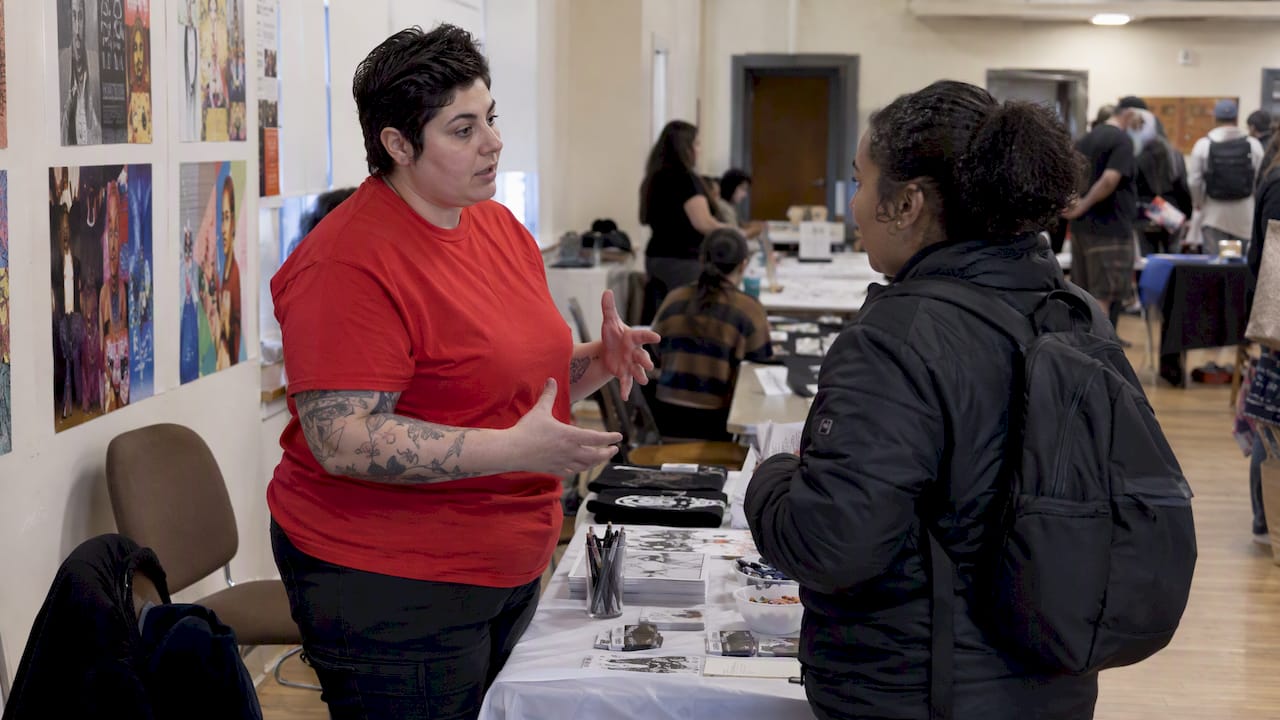
The booths that work best combine a hands-on activity, a real story from someone with lived experience, and an easy-to-approach, accessible setup. That mix turns a quiet table into a place where strangers slow down, ask questions, and sometimes open up about their own struggles. Below, we break down the booth concepts, the logistics, and the training that make this happen.
TL;DR:
- Pick two or three activities, cap each at five minutes, and avoid graphic imagery so visitors can participate without feeling trapped or distressed.
- Keep routes clear with aisles at least 36 inches wide, reachable tables, large print handouts, and a QR code; check ramps and access during a venue walk through.
- Lived experience stories can reduce stigma and encourage help seeking more than statistics, while speakers need written consent, clear boundaries, a buddy, and fair pay.
- Train volunteers to ask what brings visitors in, use plain language, and connect anyone in crisis with a coordinator or crisis resource.
- Schedule volunteer shifts for one or two hours, include breaks, and reserve five to ten minutes after each shift for a structured debrief.
Table of Contents
- 1. Ten booth ideas that get attendees to stop and stay
- 2. Getting the layout and accessibility right
- 3. Why lived-experience storytelling belongs at the center
- 4. Training volunteers to talk, listen, and know when to step back
- 5. What art and honest conversation taught me about dignity
- 6. Make your booth event-ready with speakers and merch
- FAQ
- Sources
1. Ten booth ideas that get attendees to stop and stay
Pick two or three of these rather than trying to run all ten. Each one works because it gives a stranger a reason to pause, something to do with their hands, or a story that feels real instead of clinical.
- Mandala and coloring station. A low-pressure art table where people color while they talk. It works because the activity lowers social guard, letting conversation happen sideways instead of face to face. Supplies: mandala sheets, colored pencils, a clipboard, a small table, and a sign. One volunteer can run it. Accessibility tip: offer large-print pages and seated and standing options.
- DIY stress-ball station. Visitors fill a balloon with rice or flour to make a stress ball to take home. The physical task gives nervous hands something to do while a volunteer explains local resources. Supplies: balloons, funnels, rice, small scoops, wipes. Needs one or two volunteers. Accessibility tip: pre-fill a few for anyone who can’t manage the funnel.
- Mindful-moment corner. A three to five minute guided breathing exercise, led softly and without pressure to participate fully. It works because it gives attendees a genuine break from a loud, busy event floor. Supplies: a few chairs, a timer, a printed script. One trained volunteer. Accessibility tip: keep the space away from speakers and foot traffic.
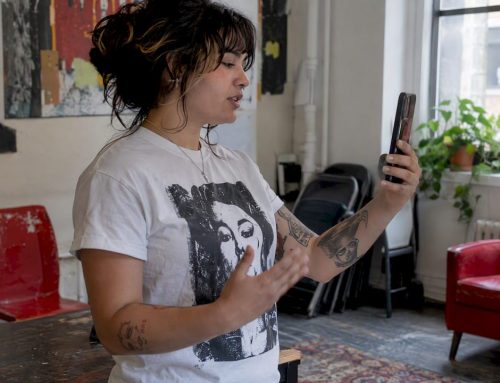
- Lived-experience mini-stage or recorded-story kiosk. A short, scheduled talk or a looping video where someone shares their own mental health story. This is the highest-impact format because contact-based storytelling from people with lived experience reduces public stigma and increases help-seeking intentions more reliably than statistics alone. Supplies: a speaker or screen, chairs, a microphone if the crowd is large. Staffing: one coordinator plus the speaker. Accessibility tip: Add captions to any recorded video.
- Resource and referral hub. A table stocked with local crisis lines, therapy finders, and support group schedules. It works because it turns curiosity into a next step. Supplies: printed resource cards, a clipboard sign-up for a mailing list, a bowl for business cards. One volunteer. Accessibility tip: offer a QR code alongside printed materials for anyone who prefers digital.
- Spin-the-wheel scenario station. A wheel with everyday scenarios (“a friend seems withdrawn”) that prompts a short discussion on how to respond. This format borrows directly from tabling guides that recommend scenario wheels and quick games to keep booth energy up. Supplies: a spinner wheel, scenario cards, small prizes. One or two volunteers. Accessibility tip: read scenarios aloud for anyone who can’t see the wheel clearly.
- Photo and pledge booth. Visitors hold a sign with a message like “I will check in on a friend” and snap a photo. It works because public commitment, even a small one, sticks. Supplies: props, a phone or camera, a backdrop. One volunteer. Accessibility tip: keep the backdrop at a height reachable from a seated position.
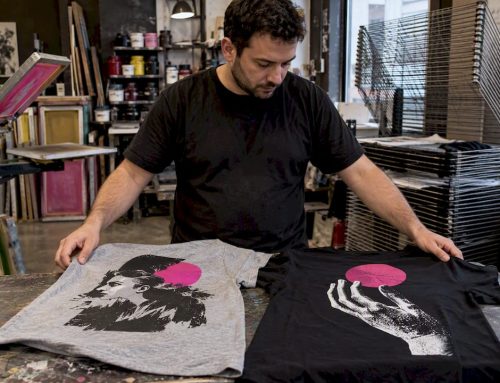
- Wearable-merch station. Buttons, stickers, and shirts with awareness messages double as icebreakers and lasting reminders of the conversation. Small tactile giveaways like these are a standard way to start conversations and extend the message past the event itself. Supplies: buttons, stickers, a small shirt rack, a cash box or card reader. One volunteer. Accessibility tip: display items at two heights for different reach ranges.
- Trivia or quiz wheel with prizes. Quick mental health trivia questions with a small prize for every answer, right or wrong. It keeps the mood light while still teaching something. Supplies: question cards, a prize bin, a small table. One volunteer. Accessibility tip: offer both spoken and written question formats.
- Mini-workshop or grounding demo. A five-minute guided stretch, grounding exercise, or simple yoga pose taught to a small group. It works because it gives people a skill they can use again that same day. Supplies: a yoga mat or open floor space, a printed handout. One trained volunteer. Accessibility tip: offer a seated version of every movement.
Pro Tip: Cap every activity at five minutes so no one feels stuck, and skip graphic or triggering imagery since a booth’s job is to open a door, not to recreate a crisis.
2. Getting the layout and accessibility right
A great activity still fails if someone in a wheelchair can’t reach the table or a visitor with sensory sensitivity can’t find a quiet corner. Event accessibility guidance recommends planning routes and spaces with the same care as the activities themselves.
- Walk the venue first and confirm accessible routes, ramps, and a clear path to your booth.
- Keep aisles at a minimum 36-inch clear width so wheelchairs and strollers can pass comfortably.
- Set tables at accessible heights suitable for seated visitors, ensuring clear approaches without obstructions.
- Offer large-print handouts and a QR code link as an alternative format.
- Pack backups: extra pens, clipboards, hand sanitizer, batteries, and an extension cord.
- Schedule volunteer shifts to keep energy genuine, with a named on-site coordinator to support them.
- Budget for interpreters, ramps, or large-print materials where the event calls for them.
- Post an emergency contact and a calm, clear redirection phrase for anyone in distress, and point them toward event staff or a crisis line rather than trying to manage it alone.
A 36-inch aisle width isn’t a suggestion. It’s the baseline accessibility guidance uses for any booth layout meant to welcome everyone, including attendees using mobility devices.
3. Why lived-experience storytelling belongs at the center
Contact-based education, where someone shares their own story rather than reciting statistics, is one of the most reliable ways to reduce stigma and increase a listener’s willingness to seek help. That is why a five-minute conversation with a real person often does more than a stack of pamphlets.
Protecting the person sharing their story matters just as much as the story itself. Workforce wellness guidance on peer roles recommends pre-briefing, clear boundaries, honoraria, and structured debriefs to keep speakers supported before and after they share something personal in public.
- Get informed consent in writing, including what topics are off-limits.
- Assign an on-site buddy who checks in during and after the shift.
- Offer a fair honorarium for time and emotional labor, not just a thank-you.
- Run a short pre-brief covering what to expect from the crowd.
- Close with a structured debrief: what went well, what was hard, any safety concerns.
A simple invitation might read: “We’d love for you to share a short, personal story about your mental health journey at our booth. You choose what to share, you can stop at any time, and we’ll pair you with a volunteer buddy throughout.”
4. Training volunteers to talk, listen, and know when to step back
Volunteers carry the booth more than any prop or sign does, so a few minutes of training goes a long way toward keeping conversations warm and safe.
- Open with a simple line. “Hi, want to color while we chat about mental health?” works better than a scripted pitch.
- Ask before you inform. “What brings you by today?” invites a real answer instead of a canned one.
- Use plain language. Say “mental health challenges” instead of clinical labels, unless the visitor uses those labels themselves.
- Redirect when needed. If someone seems to be in crisis, say: “I want to connect you with someone who can really help,” and walk them to the resource table or a coordinator.
- Debrief after every shift. Spend five to ten minutes on what went well, what felt hard, and whether anyone needs follow-up support, following the same structured debrief approach recommended for peer speakers.
Keep shifts to one or two hours with built-in breaks, following standard tabling shift recommendations, so energy stays genuine instead of forced.
Pro Tip: Warmth beats polish. Research on brief public health encounters found that a volunteer’s tone and authenticity matter more to stigma reduction than the printed materials or games on the table.
5. What art and honest conversation taught me about dignity
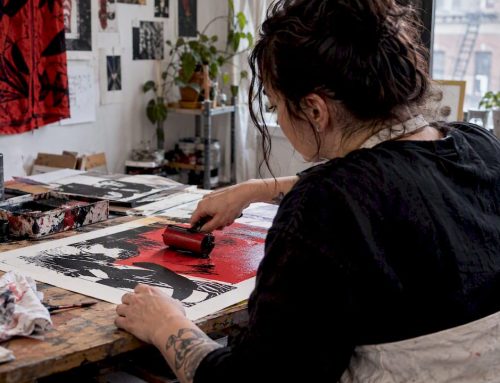
Every piece of art I’ve made about living with schizophrenia started as a way to say the thing out loud before I could say it in person. A booth works the same way: the button someone pins on, the mug they pick up, becomes the opening line for a conversation they didn’t know they wanted to have. Read more about how I’ve used art to express my journey with schizophrenia, and always put consent and volunteer support first.
— Michelle
6. Make your booth event-ready with speakers and merch
Organizers can book a speaker to share lived experience at your event and stock your booth with merchandise that doubles as a conversation starter. A short, honest talk from someone with lived experience fits naturally into the mini-stage format above, and our buttons, stickers, and tote bags make low-cost, high-impact giveaways that attendees keep using long after the event ends. For shirts volunteers can wear at the table, browse our mental health t-shirts. To bring a speaker to your next event, visit our booking page and tell us your date and audience.
This article is general information, not a substitute for advice from a qualified doctor. Consult a qualified healthcare professional about your own circumstances before acting on anything here.

FAQ
What are some creative ideas for a mental health fair booth?
Strong options include a coloring or mandala station, a DIY stress-ball craft, a short lived-experience talk, and a resource table with local referral information. The best booths pair a hands-on activity with a real conversation rather than relying on pamphlets alone.
What are some creative booth ideas for events?
Beyond crafts and trivia wheels, a photo and pledge booth or a wearable-merch station gives visitors something tangible to take home. Tabling guides recommend pairing any activity with small prizes to keep foot traffic moving.
What are the 5 C’s of mental health?
Definitions vary across organizations and training programs, so there isn’t one agreed-upon list. Rather than citing a specific framework, we recommend focusing a booth on clear, practical goals: connection, conversation, and access to care.
What are some ideas for mental health events?
Beyond booths, events can include a lived-experience panel, a mindful-moment session open to the whole crowd, or a mini-workshop on grounding techniques. Pairing any of these with an accessible, well-staffed resource table extends the impact past the day itself.
Sources
- Contact-based education reduces mental health stigma (PubMed)
- Best practice guidelines for planning accessible events (University of Kansas accessibility)
- Workforce Wellness & Sustainability — Boundary setting and debrief practices (SAMHSA workshop PDF)
- NAMI On Campus tabling guide (NAMI)
Recommended
- The Best Mental Health Speaker Topics for Your Next Event
- Mental Health Themed Event Planning Guide
- Four Week Mental Health Campaign Ideas Organizers Can Run Now
- Mental Health Community Engagement Ideas That Work