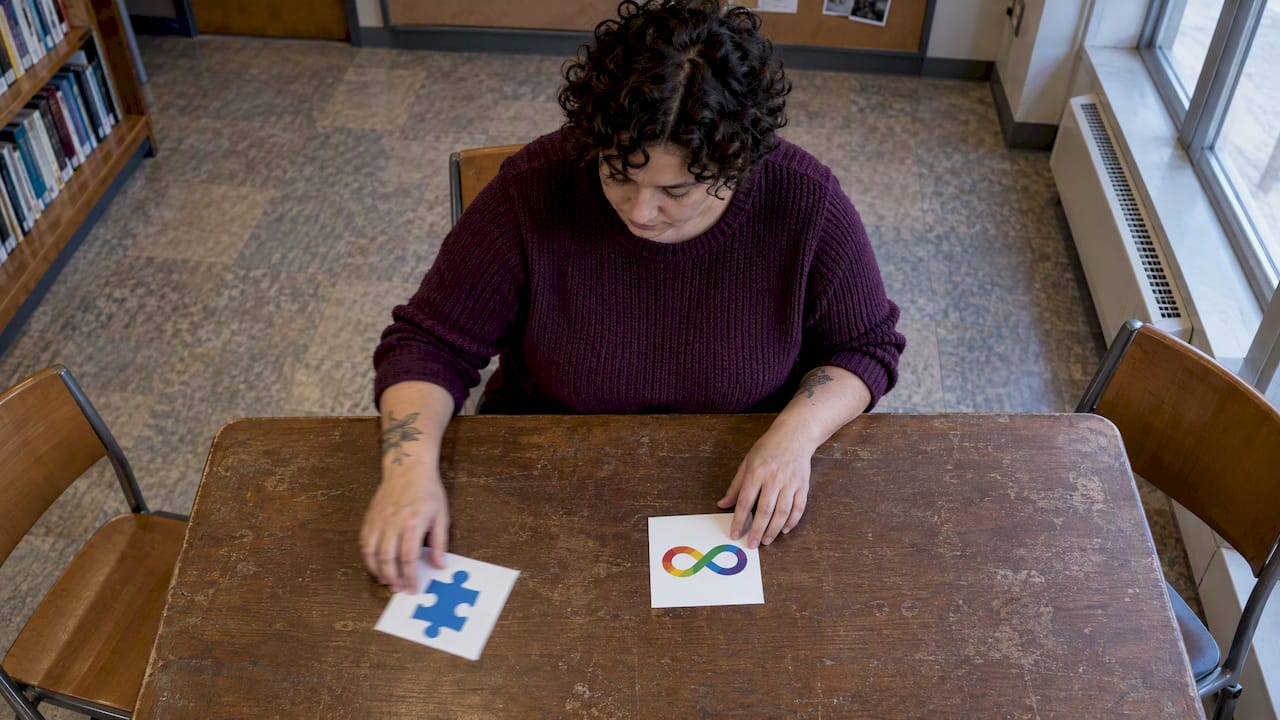
The rainbow infinity symbol is the most widely recognized neurodiversity symbol, and it stands for infinite cognitive variation, pride, and inclusion across all the ways human minds work. You will also come across a gold infinity loop tied specifically to autism, and an older puzzle piece image that many in the community now reject. Each one carries its own history, and understanding the differences helps you use these symbols with care.
TL;DR:
- The rainbow loop first appeared on Autistic Pride Day in 2005, created by Aspies For Freedom as a grassroots symbol rather than an institutional brand.
- Choose the gold loop when representing autism specifically; its color refers to gold’s chemical symbol, Au, while the rainbow version covers broader neurodivergence.
- The puzzle piece dates to 1963, and many autistic adults reject it for implying incompleteness, although some people retain personal ties to the image.
- When unsure which design fits, ask people from the community it represents rather than guessing from general awareness imagery or assumptions about autism.
- For events, pair the symbol with access such as captioned video or sensory friendly spaces, rather than treating imagery as the whole effort.
Table of Contents
- What the Infinity Loop and Its Colors Represent
- Where the Rainbow Infinity Symbol Came From
- Rainbow Infinity, Gold Infinity, and the Puzzle Piece Compared
- How Different Communities Read These Symbols
- Using Neurodiversity Symbols Thoughtfully
- Advocacy Design in Practice at Schizophrenic.NYC
- Why Community-Led Symbols Change the Conversation
- Shop Advocacy Apparel or Book a Speaker
- FAQ
- Sources
What the Infinity Loop and Its Colors Represent
The symbol itself is a lemniscate, the same figure-eight loop you learned in math class to mean infinity. There is no start and no end, which is exactly the point: neurodivergent minds are not broken versions of a “normal” brain, they are one of countless natural variations that have always existed and always will.
Color is where the real storytelling happens. The rainbow version pulls directly from the visual language of LGBTQIA+ pride, using the full spectrum to say that neurodivergent identities deserve celebration rather than correction, a borrowing explained in detail by the Stimpunks Foundation’s glossary entry on the symbol. A pastel version shows up often in softer, more muted contexts such as therapy practices or school materials, where organizers want the same message without the boldness of saturated color.
A few patterns show up again and again when you look at how different groups render the loop:
- Rainbow infinity: broad neurodiversity pride, covering autism, ADHD, dyslexia, and more.
- Gold infinity: autism specific, used by groups like Autistic UK.
- Pastel infinity: a gentler visual tone, common in clinical or educational materials.
- Mashup versions: the loop combined with other symbols, such as a raised fist, to signal solidarity with broader justice movements.
Independent artists and advocacy designers have been the main force behind these variations, not corporations or medical institutions, which is part of why the symbol feels different from older awareness imagery.
Where the Rainbow Infinity Symbol Came From
The rainbow infinity symbol traces back to 2005, when it was first used on Autistic Pride Day. According to the Stimpunks Foundation, the activist group Aspies For Freedom created the design to represent “diversity with infinite variations and infinite possibilities.” That phrase captures the whole philosophy behind the symbol: there is no single correct way for a brain to work.
A short timeline helps place the key moments:
- June 18, 2005: Autistic Pride Day marks the first documented use of the rainbow infinity symbol.
- Mid-2000s: Aspies For Freedom popularizes the loop within early online autistic self-advocacy spaces.
- Later years: Autistic UK introduces a gold-colored infinity loop specifically for autism.
The rainbow infinity symbol was created by Aspies For Freedom in 2005 for Autistic Pride Day, and that grassroots origin still shapes how the symbol gets used today: by and for neurodivergent people, not as a branding exercise handed down from outside.
The gold variant came later, from a different group with a more specific goal. Autistic UK promoted the gold infinity as an autism-specific symbol, drawing on the chemical symbol for gold, “Au,” to make a direct link to autism. This was partly a response to campaigns like “Light It Up Blue,” which many autistic adults felt spoke about them rather than with them. The gold loop gave the autistic community its own mark, separate from the broader rainbow version that covers the whole neurodiversity spectrum.
One detail worth knowing: orientation matters too. Flipping the loop so it sits more like an hourglass has shown up in some activist designs to suggest the flow of knowledge or teaching, a subtle variation that still reads as “infinity” but shifts the feeling of the image.
Rainbow Infinity, Gold Infinity, and the Puzzle Piece Compared
Three symbols dominate conversations about neurodiversity, and they are not interchangeable.
- Rainbow infinity: the broadest symbol, covering autism, ADHD, dyslexia, schizophrenia, and other forms of neurodivergence under one pride-centered image.
- Gold infinity: narrower in scope, used specifically to represent autism and preferred by groups like Autistic UK over medicalized blue branding.
- Puzzle piece: the oldest of the three, dating to 1963, now viewed by many autistic adults as outdated and even harmful.
The puzzle piece has the longest history and the most controversy attached to it. The puzzle piece was introduced as an autism symbol in the 1960s, as documented on Autism Speaks’ own page about the symbol, and it has been updated over the decades. Even so, a large share of autistic adults have criticized it for implying that autistic people are missing a piece, incomplete, or a problem waiting to be solved. That critique is a major reason the rainbow and gold infinity loops exist at all: they were built as replacements that affirm identity instead of framing it as a deficit.
Beyond these three, you will sometimes see activist mashups, most notably the infinity loop combined with a raised fist. Designers like Jennifer White-Johnson have used combinations like this to connect neurodiversity advocacy with broader disability justice and civil rights movements, expanding the symbol’s vocabulary rather than replacing it. A design like this signals that the wearer sees neurodivergent rights as part of a larger fight for equity, not a separate, smaller issue.

How Different Communities Read These Symbols
Symbols do real work inside advocacy movements, and the neurodiversity symbol’s meaning is tied closely to how the movement itself describes its goals. The Autistic Self Advocacy Network frames neurodiversity advocacy around centering neurodivergent voices directly, with a focus on quality of life and inclusive support rather than searching for causes or cures. That framing matters for symbolism: a design created by neurodivergent people and controlled by neurodivergent people carries different weight than one handed down by an outside organization, even when the shapes look similar.
For many people, wearing or displaying the rainbow infinity is a quiet way of saying “this is who I am, not something wrong with me.” It can invite recognition from other neurodivergent people in a room, or spark a conversation with someone who has never thought much about how minds differ. A few consistent threads run through how communities talk about these symbols:
- They favor language around support needs over clinical “functioning” labels.
- They treat the infinity loop as a statement of natural variation, not a diagnosis.
- They generally prefer symbols created within the community over ones imposed from outside.
Not everyone agrees on every detail, and that disagreement is part of a healthy movement rather than a flaw in it. Some people still feel connected to the puzzle piece through decades of personal history with it, even as broader community consensus has moved away from it.
Pro Tip: When you’re not sure which symbol fits a situation, ask someone from the specific community you’re trying to represent rather than guessing from a general idea of “autism awareness” imagery.
Using Neurodiversity Symbols Thoughtfully
Good intentions matter, but they are not the same as getting it right. A few simple habits go a long way toward using these symbols in ways that actually respect the communities behind them.
- Check whether the design is community created. Favor artwork and products made by neurodivergent designers or advocacy groups over generic stock graphics.
- Match the symbol to the audience. Use the gold infinity when you are specifically discussing autism, and the rainbow infinity when you mean the wider neurodiversity spectrum.
- Follow the money if you are selling or fundraising. Make sure proceeds from merchandise or events genuinely benefit neurodivergent-led organizations or causes.
- Pair the symbol with real access. If you are hosting an event or posting online, back the image up with accessibility steps, like captioned video or sensory-friendly spaces, rather than treating the symbol as the whole effort.
Color choices deserve the same level of thought as the shape itself. We’ve written before about how color symbolism shapes awareness campaigns, and the same logic applies here: a well-chosen palette can either welcome people in or quietly signal that a design was made without them in mind. Sensory comfort is worth building in from the start too, the same thinking behind the 2021 redesign of the disability pride flag for sensory needs.
Pro Tip: If you’re designing merchandise or event materials, test the symbol with people from the community it represents before you print anything.
Advocacy Design in Practice at Schizophrenic.NYC
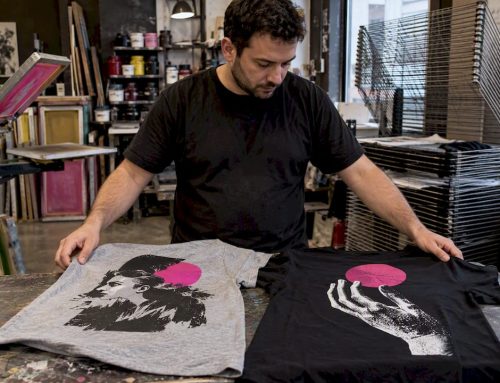
We build around the same belief that drives the rainbow infinity symbol: mental illness and neurodivergence are identities to talk about openly, not things to hide. Our founder lives with schizophrenia and turns that lived experience into bold, conversation-starting artwork rather than clinical messaging.
Our work spans a few connected efforts:
- Original artwork and apparel designed to spark conversations about schizophrenia and mental illness.
- Public speaking engagements where Michelle shares her story directly with audiences.
- Ongoing attention to inclusive design choices, the kind we explored in our piece on how art and apparel built the Mad Pride movement.
If you want to see that approach in action or book Michelle to speak, you can learn more about booking her as a mental health advocate.
Why Community-Led Symbols Change the Conversation
A symbol designed by the people it represents carries a different kind of authority than one designed for them. That shift, from outside groups deciding what autism or mental illness “looks like” to neurodivergent and mentally ill people choosing their own imagery, is the real story behind the move from puzzle pieces toward infinity loops.
These symbols will keep changing, and that’s a sign of a living movement rather than a weakness. The right move for anyone outside these communities is simple: listen before you adopt an image, ask who benefits when you use it, and stay open to the fact that the preferred symbol today may not be the preferred symbol in ten years.
— Michelle
Shop Advocacy Apparel or Book a Speaker
We turn the same principles behind the neurodiversity symbol into wearable art every day: bold, honest, made by someone with lived experience rather than a committee. Our Schizophrenic carries mental health themed T-shirts, pillboxes, jewelry, and original artwork built to start the exact kind of conversation this article has been having.
If you’re planning an event, a classroom discussion, or a company training around mental health or neurodiversity, you can also book Michelle for public speaking to bring a firsthand perspective into the room. Browse the shop, pick a piece that says something you actually believe, and reach out if you want Michelle’s voice at your next event.
FAQ
What does the neurodivergent symbol represent?
The neurodivergent symbol, usually shown as a rainbow colored infinity loop, represents the idea that cognitive differences like autism, ADHD, and dyslexia are natural variations rather than flaws. A gold version of the same loop is used specifically for autism by groups including Autistic UK.
How is Jennifer Aniston neurodivergent?
We don’t have information connecting Jennifer Aniston to neurodivergence, and nothing in the sources we rely on supports that claim. If you’ve seen this circulating online, it’s worth checking the original reporting before treating it as fact.
What is tunneling in autism?
“Tunneling” isn’t a standard clinical or advocacy term tied to autism in the sources we draw on for this article, so we can’t give you a reliable definition here. If you came across this term in a specific context, it may be worth checking that source directly for how it’s being used.
What is the emoji for neurodivergent?
There isn’t an official, universally recognized emoji for neurodivergence the way there is for some other identities. People sometimes use the infinity symbol (∞) informally in text or social media captions to signal neurodiversity pride, drawing on the same meaning behind the rainbow infinity symbol.
Why did the puzzle piece fall out of favor as an autism symbol?
The puzzle piece dates to 1963 and was created as one of the earliest autism symbols, according to Autism Speaks. Many autistic adults have criticized it over the years for suggesting that autistic people are missing something or incomplete, which pushed activists toward the infinity loop as a more affirming alternative.
Sources
- Neurodiversity Infinity Symbol – Stimpunks Foundation
- Autistic Self-Advocacy Network (2006) – Embryo Project Encyclopedia
- Autism puzzle piece logo | Autism Speaks
Recommended
- 2021 Redesign Made the Disability Pride Flag Safer for Sensory Needs
- Since 1993, How Art and Apparel Made the Mad Pride Movement Visible
- Choose Silver, Not Purple: Context for Schizophrenia Awareness Color
- Embrace Your Neurostyle and Beyond with Schizophrenic Activist Michelle Hammer