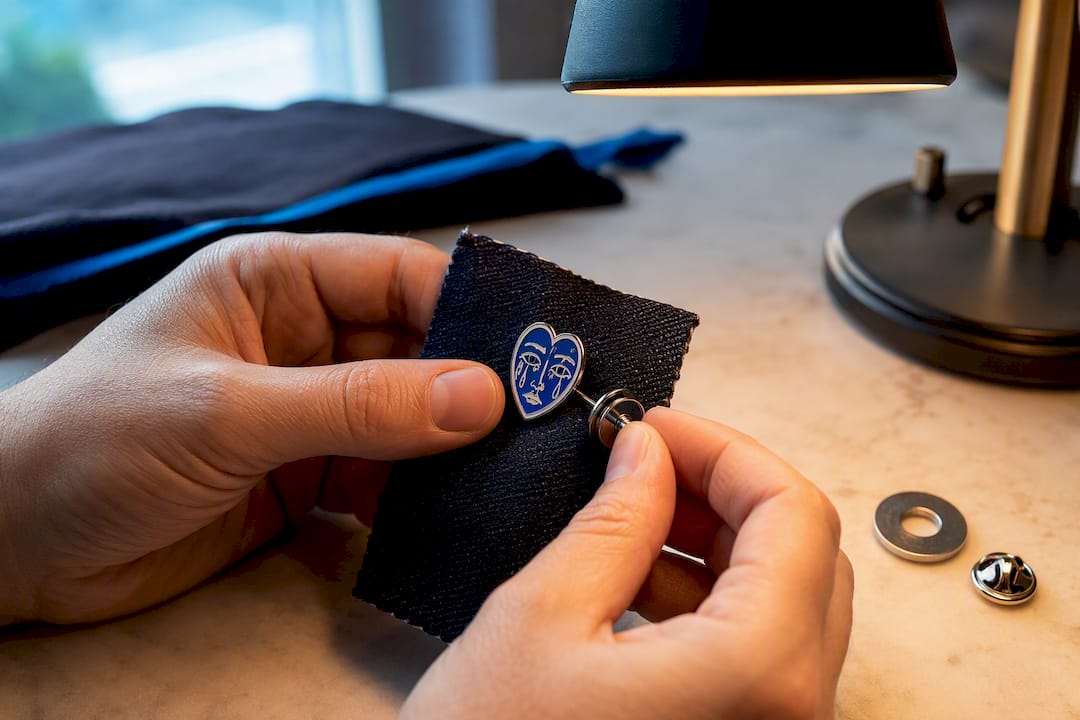
Wear your enamel pins on structured fabric like jacket lapels, denim, or canvas bags, and secure them with a locking back for anything you wear daily. Rubber clutches work fine for occasional wear on sturdy material, but they loosen with movement. The only real exceptions are delicate knits and silk, where a magnetic back or a removable patch protects the fabric better than any metal post ever will.
TL;DR:
- Locking pin backs are essential for securing enamel pins during daily activities, especially for commuting or extensive movement, to prevent loss.
- Structured fabrics like jacket lapels, bag straps, and collars provide the best support for pins, while delicate materials require magnetic backs or removable options.
- Pins larger than 1.25 inches need reinforced fabrics or multiple posts to avoid sagging or damaging the garment.
- Arranging pins with a focal piece surrounded by supporting smaller pins, unified by color or theme, creates a polished, intentional look.
- Using dedicated storage like foam trays or fabric-lined pouches helps prevent damage and loss during transport or collection.
Table of Contents
- How to Wear Enamel Pins Depending on Where You Put Them
- How to Secure Enamel Pins So They Don’t Fall Off
- Matching Pin Size and Weight to the Right Fabric
- How to Style Enamel Pins Without Looking Cluttered
- How to Clean and Store Enamel Pins the Right Way
- Why an Activist’s Perspective Shapes This Advice
- Personalizing Your Enamel Pin Collection
- How to Transport Enamel Pins Without Losing or Damaging Them
- Combining Enamel Pins With Buttons, Badges, and Patches
- Building a Themed Pin Collection That Says Something
- Why I Think Visibility and Fabric Care Aren’t in Conflict
- Wearable Art From Schizophrenic That Pairs With Your Pins
- Sources
- FAQ
How to Wear Enamel Pins Depending on Where You Put Them
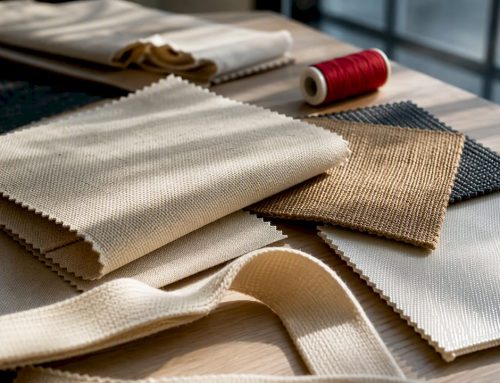
The trick to wearing enamel pins well isn’t the pin itself. It’s picking a surface that can actually hold it. Structured fabric handles a pin post without stretching or puckering, and it keeps the design facing forward instead of drooping sideways by lunch. Practical styling guidance consistently points to lapels, collars, pockets, and bag straps for exactly this reason: they show the pin clearly and tolerate the stress of daily wear.
Here’s how that breaks down by garment:
- Jackets and overshirts: Lapels, chest pockets, and the chest panel are ideal for medium and large pins, since denim, canvas, and wool hold weight without sagging.
- Hats, beanies, and caps: The front panel and side seams work for small to medium pins. Anything bigger throws off the shape of the hat.
- Bags, backpacks, and tote straps: Front panels and straps are made for daily wear and pair well with locking backs, since you’re grabbing and dropping the bag all day.
- Shirts and collars: Stick to small, lightweight pins here. Thin cotton or jersey knits stretch around the post and leave a visible hole if you skip reinforcement.
- Belts, overalls, suspenders, and shoes: These are special-case spots. Leather belts can take a small pin near the buckle, but soft canvas shoes usually can’t hold one without tearing.
How to Secure Enamel Pins So They Don’t Fall Off
The fastener matters more than the pin design. A $30 pin on a flimsy rubber clutch will fall off in a subway car faster than a $5 pin on a locking back.
Here’s how the main fastener types stack up:
- Rubber backs: Cheap, easy to swap, but they loosen with friction and heat. Fine for a jacket you’re not moving around in much.
- Butterfly clutches: Slightly more secure than rubber, still not reliable for daily wear or crowded spaces.
- Locking pin backs: The best option for commuting, travel, or conventions, since they reduce the risk of pins working loose far more than rubber or butterfly clutches.
- Screw backs: Best for thick canvas or denim where you want a pin that stays put for months without adjustment.
- Magnetic backs: Useful for delicate fabric, but keep them away from phones, transit cards, and anything with a magnetic stripe.
For high-movement situations, locking backs are worth the upgrade every time. Screw backs and locking mechanisms simply hold up better than clutch-style fasteners once you’re walking, biking, or squeezing onto a crowded train.
A few extra tricks help too: slide a small metal washer onto the post before the clutch for added grip, stack two clutches on heavier pins, or dab a bit of clear nail polish on the post threads if a screw back keeps slipping. Always remove pins before contact sports, before bed, and before anything goes in the wash.
Pro Tip: Keep a spare locking back in your bag. If you lose one at an event, you can swap it in on the spot instead of leaving a $20 pin held on by a rubber nub.
Matching Pin Size and Weight to the Right Fabric
Size and fabric strength go hand in hand. A pin that looks great on denim can leave a permanent dimple in a cotton tee.
- Hats and collars: Stick to 0.5 to 0.75 inches. Anything bigger distorts the shape or sags forward.
- Jackets and bags: 0.75 to 1.25 inches works well on canvas, denim, and structured cotton.
- Larger statement pins: Anything over roughly 1.25 inches needs a reinforced panel or a heavier fabric like denim or canvas to avoid sagging, and some designs use two posts specifically to distribute that weight evenly.
If you’re pinning something heavy onto a garment that wasn’t built for it, reinforce the back side first. A small square of iron-on interfacing, a sewn-on washer, or even a scrap of felt behind the fabric spreads out the pressure so the post doesn’t punch through. Skip pinning directly into silk, thin jersey knits, and most suede. These materials show holes permanently, and no amount of reinforcement fully fixes that once the fabric is stretched.
How to Style Enamel Pins Without Looking Cluttered
A pin collection reads as intentional when it follows a structure, not when you pile on every pin you own. The strongest styling approach starts with one focal pin, then adds two to four supporting pins around it in a deliberate arrangement.
- Pick a focal pin. Choose the piece with the boldest color, size, or message, and give it the most visible spot, like the top of a lapel.
- Add supporting pins. Two to four smaller pins around the focal piece create balance without competing for attention.
- Unify with color or theme. A cluster built around one palette or one idea (protest messaging, a hobby, a favorite artist) reads as curated instead of random.
- Choose a layout that fits the garment. A tight cluster suits a jacket lapel, a row suits a bag strap, and a loose arc suits a denim jacket’s chest panel.
- Scale to the setting. One subtle pin on the left lapel is plenty for a formal or professional setting. Streetwear and collector jackets can carry a denser, louder arrangement.
How to Clean and Store Enamel Pins the Right Way
Removing a pin the wrong way is how posts bend and clutches snap. Stabilize the fabric with one hand, then ease the back off gently rather than yanking it straight out.
- Cleaning the enamel: Wipe with a soft cloth and mild soap. Skip abrasive cleaners, and never soak plated pins, since water works into the seams and dulls the finish over time.
- Washing the garment: Always remove pins before laundering. A pin left in the wash can damage the fabric, the washing machine, and the pin itself.
- Repair first: If a pin has left a small hole, patch or reinforce it before the item goes through another wash cycle.
- Storage: A corkboard, a foam tray, or a labeled box keeps a collection organized and away from humidity and direct sunlight, both of which fade enamel color over years.
Pro Tip: Store pins post-side down in foam or fabric so the sharp end never faces up in a drawer you’re reaching into blind.
Why an Activist’s Perspective Shapes This Advice
This guidance comes from someone with a direct stake in how mental health advocacy shows up in daily life. Michelle Hammer is a schizophrenia activist and the founder of Schizophrenic.NYC, built on the idea that bold, wearable art can open conversations most people avoid having out loud.
Message-driven pins work best in the same visible spots this guide already covers: a jacket lapel, a tote strap, a chest pocket. Advocacy-focused styling puts the message where people’s eyes actually land, without asking the wearer to sacrifice the shirt it’s pinned to.
Personalizing Your Enamel Pin Collection
A pin collection that looks exactly like everyone else’s Pinterest board misses the point. Personal touches are what turn a handful of pins into a visual signature.
Mixing eras and styles is one easy way to do this. Pair an older, slightly worn pin with a brand-new release, and the contrast itself becomes part of your story. Grouping pins by a specific artist, a specific cause, or even a specific color creates a visual thread that feels deliberate rather than accidental.
Placement is another personalization tool. Two people can own the same five pins and wear them completely differently, one clustered tight on a lapel, another spread in a loose diagonal across a denim jacket. The arrangement itself becomes a kind of signature.

Don’t overlook custom pins either. Plenty of small designers and print shops produce short runs or one-off pieces, which means your collection doesn’t have to rely only on mass releases. A single custom piece, mixed in among more common pins, tends to be the one people ask about first. That’s usually the point: a pin collection works best when at least one piece has a story attached to it, not just a design.
How to Transport Enamel Pins Without Losing or Damaging Them
Pins travel worse than most people expect. Loose in a bag, they scratch each other, bend posts, or fall out of a clutch that wasn’t locked tight enough for a full day of movement.
For daily commuting, wear pins only on garments with locking backs, and treat anything without one as a stay-home piece. If you’re carrying spares or trading pins at a convention, a small zippered pouch with fabric or foam dividers keeps them from knocking against each other in a bag. Some collectors use a dedicated pin board or a strip of felt rolled inside a case, which holds pins upright and separated during transit.

Flying adds another wrinkle. Pins with sharp posts are generally fine in a carry-on, but keep them attached to fabric or foam rather than loose in a pocket, where a post can work its way through fabric or scratch a phone screen. If you’re wearing a jacket covered in pins through security, expect a second look. It’s rarely a problem, but budget the extra thirty seconds.
The simplest rule: anything you’d be upset to lose travels in a closed container, not on an outer pocket you’re not watching closely.
Combining Enamel Pins With Buttons, Badges, and Patches
Pins don’t have to carry a look on their own. Buttons, badges, and patches each bring a different texture and message, and mixing them avoids the flat, one-note look of an all-pin jacket.
Patches are sewn or ironed on, which makes them a good anchor for pieces you never want to lose, while pins stay in the spots you want to swap out seasonally. A canvas jacket covered in sewn patches with a few enamel pins layered on top reads as more collected and personal than either element alone. Buttons, being larger and flatter, work well on bag straps or as a bold single statement piece next to a cluster of smaller pins.

The key is not letting any one type dominate the same six inches of fabric. Give buttons and larger patches their own space, and let a pin cluster live somewhere else entirely, like a lapel versus a backpack strap. Mixing textures and formats, metal against embroidered thread against fabric, is what makes a piece look intentionally built rather than randomly decorated.
Building a Themed Pin Collection That Says Something
A pin collection with a theme reads as a story instead of a scattered pile of purchases. That’s true whether the theme is a hobby, a cause, or a specific chapter of someone’s life.
Start narrow. A collection built entirely around one idea, mental health awareness, a favorite band, a specific era of design, holds together visually even if the pins themselves come from different makers. Color often does the unifying work here: a set of pins in the same two or three colors will look cohesive even with wildly different subject matter.
Rotating a themed collection seasonally keeps it from going stale. Swap a jacket’s pin arrangement for a different cause or interest every few months, and the collection stays a living project instead of a fixed display. For anyone using pins as a form of advocacy, a themed cluster does more work than a single scattered pin ever could, since it signals a sustained interest rather than a one-off purchase.
Why I Think Visibility and Fabric Care Aren’t in Conflict
People treat visibility and fabric care like a trade-off, but they’re not. The whole point of wearing an advocacy pin is starting a conversation, and a pin that’s fallen off in a coat pocket starts nothing. Choosing the right fastener and the right fabric spot isn’t a compromise on style. It’s what makes the message actually last long enough to be seen.
— Michelle
Wearable Art From Schizophrenic That Pairs With Your Pins
If you’re building out a pin collection around mental health advocacy, Schizophrenic gives you ready-made pieces to pin them to, instead of leaving you to find blank canvas gear elsewhere. A tote bag with a bold graphic works as a sturdy, forgiving surface for a locking-back pin cluster, and a button from Michelle’s Artwork pairs naturally alongside pins on a denim jacket or backpack strap for a mixed-texture look. Pin a button to your tote, add a couple of small pins to the strap, and you’ve got a layered piece that reads as intentional rather than thrown together.
Beyond accessories, the full apparel and product lineup gives you a foundation built specifically for message-driven styling, so the pins you’re placing carry a message that started with someone who’s lived it. Browse the shop and see which piece fits the collection you’re already building.
Sources
- How to Wear Enamel Pins — WikiHow
- Enamel Pin Badges: 7 Creative Ways To Style Them — Global Art Gifts
- Where to Put Enamel Pins? 10 Stylish Ideas & Tips — FactoryPin
FAQ
What Is the Best Way to Wear Enamel Pins?
The best approach is placing pins on structured fabric, like jacket lapels, canvas bags, or denim, and securing them with a locking back for daily wear. Structured areas hold pins better than thin or stretchy fabric because they support the post without stretching or tearing.
How Do I Secure Enamel Pins So They Don’t Fall Off?
Locking pin backs are the most reliable option, especially for commuting or crowded events, since they reduce the risk of pins loosening far more than rubber or butterfly clutches. Screw backs work well on thick canvas, and magnetic backs are a safer choice for delicate fabric.
Where Should I Attach Enamel Pins?
Lapels, chest pockets, hat panels, and bag straps are the most reliable spots because they’re visible and durable. Thin knits and delicate fabrics like silk should be avoided unless you use a magnetic back or attach the pin to a removable accessory instead.
What Is the Point of Wearing Enamel Pins?
Enamel pins let you display a personal interest, a cause, or a piece of art without committing to a permanent alteration of the garment. For advocacy-focused pins, placing them where they’re clearly visible, like a lapel or a tote front, helps start conversations while keeping the wearer comfortable.
Does Schizophrenic Sell Products That Work Well With Enamel Pins?
Yes. Schizophrenic offers totes, buttons, and apparel that pair naturally with enamel pins for a layered, message-driven look. Current prices and available pieces are listed on the Schizophrenic shop.
Recommended
- 10 Advocacy Apparel Ideas That Fund Causes and Keep Wearers Safe
- Wearable Art Activism: Make Fashion Your Message
- The Role of Clothing in Advocacy: A 2026 Guide
- Fashion Activism Examples: Suffragettes, Viral Tees, Schizophrenic