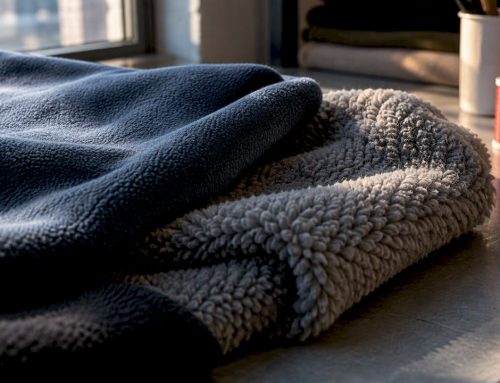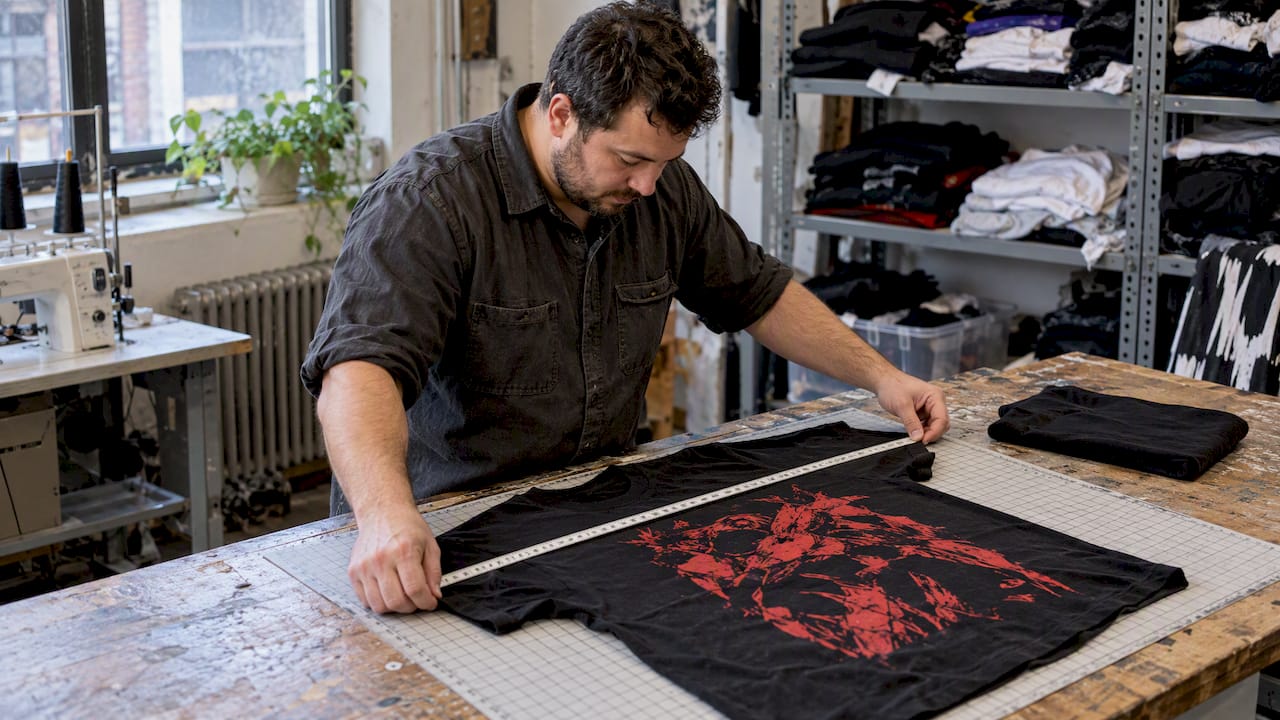
Pre-shrunk cotton means the fabric or garment went through a finishing process designed to remove most of the shrinkage that would otherwise happen in your first wash. It is not a guarantee of zero movement: small residual shrinkage is still possible, often in the low single digits. The practical rule for shoppers is simple. Buy your normal size and follow the care tag.
TL;DR:
- Pre-shrunk cotton typically shrinks about 2 to 5 percent, mainly during the first wash, with knit garments generally shrinking more than woven ones.
- Combining methods like Sanforization, relaxation drying, and chemical crosslinking improves fabric stability but cannot guarantee zero shrinkage altogether.
- Hot water and high-heat drying significantly increase residual shrinkage, so cooling washes and low-heat drying maximize the garment’s size stability.
- Look for brands that specify residual shrinkage percentages or reference standardized testing, as “pre-shrunk” claims alone vary in reliability.
- Although pre-shrunk cotton shrinks less, gentle re-wetting and reshaping can often recover near-original fit if slight shrinkage occurs.
Table of Contents
- What manufacturers mean when they say “pre-shrunk”
- How mills actually pre-shrink the fabric
- Does pre-shrunk cotton still shrink?
- How to care for pre-shrunk cotton at home
- Pre-shrunk versus shrink-to-fit, and what blends change
- What to look for in a brand’s pre-shrunk claim
- Why fit stability matters to us
- Where to find cotton tees built to hold their shape
- FAQ
- Sources
What manufacturers mean when they say “pre-shrunk”
Pre-shrinking is a finishing goal, not a magic fix. The aim is dimensional stability, meaning the garment holds its size and shape through normal washing instead of pulling in after the first cycle. Cotton fibers swell when wet and relax as they dry, and raw fabric carries tension from spinning, knitting, and weaving that releases the first time it hits water. A pre-shrink finish works out as much of that built-in tension as possible before the garment ever reaches a closet.
How much tension is left depends on fiber quality, yarn twist, and whether the fabric is knit or woven. Knits are the harder case. A knit structure is looped rather than interlaced, so it has more give and more ways to distort during processing, which is why knitted fabrics are more prone to distortion than woven cotton, with stitch length, gauge, and processing tension all playing a part. A pre-shrunk T-shirt and a pre-shrunk pair of woven cotton pants are not starting from the same baseline.
How mills actually pre-shrink the fabric
Mills lean on a handful of methods, usually in combination. Sanforization, also called compaction, mechanically compresses the fabric width and length to force out shrinkage before cutting and sewing. It is effective but not complete on its own: compaction typically removes about half of the potential shrinkage, which is why mills rarely stop there.
Relaxation drying is the second piece. After wet processing, fabric carries internal stress that needs time and controlled heat to release. Skipping this step leaves a garment that looks fine on the rack and shrinks the moment it meets a washing machine. Cotton Incorporated describes dimensional stability as a multi-step process that runs from fiber selection through low-tension wet processing and relaxation drying, not a single finishing step bolted on at the end.
Chemical crosslinking, sometimes marketed as durable-press finishing, adds another layer by chemically stabilizing the fiber structure. It can meaningfully cut shrinkage, but it can also change how the fabric feels, and it raises its own questions about finishing chemistry. No single method eliminates shrinkage for every fabric, which is why combinations are standard practice.

Does pre-shrunk cotton still shrink?
Yes, usually a little. Consumer guidance commonly cites pre-shrunk cotton shrinking around 2 to 5%, compared with untreated cotton that can shrink up to around 20% depending on the garment. That gap is the entire point of pre-shrinking: it does not promise zero change, it promises a much smaller one.

The exact number moves around based on several factors. Knit garments generally shrink more than woven ones. The first wash tends to do more of the shrinking than later washes, and heat is the biggest lever you control, since hot water and high-heat drying push shrinkage higher every time. That variability is also why no manufacturer will promise “no shrinkage.” Mills set a target shrinkage spec for a given construction, not a universal zero.
How to care for pre-shrunk cotton at home
Most of the risk sits in your laundry settings, not in the shirt itself. A simple routine protects both the fit and any printed graphic.
- Wash in cold or cool water on a gentle cycle.
- Skip the high-heat dryer setting; tumble on low or air dry when possible.
- Lay the garment flat to dry if you want to protect graphics and seams.
A few more habits help over time:
- Avoid hot water, which is the single biggest cause of extra shrinkage.
- Keep agitation low by using a gentle cycle or a mesh bag for printed shirts.
- Check the care tag every time, since fabric blends and finishes vary by garment.
- Test a hidden hem first if you are unsure how a new piece will react to washing.
If a shirt does shrink slightly, gentle re-wetting and reshaping while damp can coax it back close to its original dimensions. For more on everyday washing habits, our guide to washing graphic tees walks through the same approach in more detail. Readers who want to avoid harsh detergents or finishing residues can also check this non-toxic laundry guide for safer wash chemistry.
Pre-shrunk versus shrink-to-fit, and what blends change
These two labels describe opposite intentions. Pre-shrunk means the manufacturer already did the shrinking work so the garment you buy is close to its final size. Shrink-to-fit means the opposite: the garment is sized larger on purpose, and you are expected to shrink it yourself through washing and drying to reach your actual fit.
Blends change the math. If you are buying shrink-to-fit, size up and expect a break-in process. If you are buying pre-shrunk, buy true to size and treat any shrinkage as a small cushion, not a feature to plan around.
What to look for in a brand’s pre-shrunk claim
Not every “pre-shrunk” label means the same thing, so the claim itself is worth a quick check. Brands that reference recognized testing, like the AATCC TM135 and TM150 methods for measuring dimensional change after home laundering, are working from a standardized process rather than a marketing line. A specific residual shrinkage percentage is a stronger signal than the word “pre-shrunk” alone. When a label gives you neither testing references nor a number, lean on clear care instructions and a reasonable return policy instead.
Why fit stability matters to us
I design shirts meant to start conversations, not fall apart after one wash. A graphic loses its impact if the shirt around it warps, so we care about fabric that holds its shape and a care tag that tells you exactly how to keep it that way.
— Michelle
Where to find cotton tees built to hold their shape
We pick finishes that balance stability with a soft, wearable feel, because a shirt meant to spark a conversation about mental health needs to actually stay on, wash after wash. Our Mental Health T-Shirts are built around that same idea, and the heavier cotton in our hoodies and sweatshirts carries the same care philosophy for colder months. Before you check out, take a minute to read the product description and sizing notes so the fit matches what you expect at home.
FAQ
Does pre-shrunk 100% cotton still shrink?
Yes, a small amount of shrinkage is still normal even after pre-shrinking. Consumer guidance puts typical residual shrinkage for pre-shrunk cotton around 2 to 5%, which is far less than untreated cotton.
Is pre-shrunk cotton good?
Pre-shrunk cotton is a practical choice if you want a garment that keeps a predictable fit after washing. It will not eliminate shrinkage entirely, but combined with cool-water washing and low-heat drying, it keeps size changes small.
Is preshrunk cotton the same as cotton?
Preshrunk cotton is still cotton; it has simply been through extra finishing steps, such as compaction or relaxation drying, to reduce how much it shrinks later. The fiber itself has not changed, only its dimensional stability has improved.
Can pre-shrunk cotton go in the dryer?
Pre-shrunk cotton can go in the dryer, but low heat is safer than a high-heat cycle. High heat is one of the main drivers of additional shrinkage, even on fabric that has already been pre-shrunk.