The fastest way to run Mental Health Awareness Month is to pick three audience-specific actions, one for yourself, one for your workplace, and one for your community, and pair each with a single promotional asset from an official toolkit. That is it. You do not need twenty events. You need three that people will actually show up for.
Start here: post a “checkup from the neck up” prompt on your own social feed, launch one low-cost workplace activity like a lunch-and-learn or a Be Seen in Green fundraiser, and join or organize one community event such as a walk or a virtual panel with engaging activities from Life is a Game: Mental Health, Designed Differently. These three moves work because they mirror the weekly themes built into the SAMHSA and Mental Health America toolkits, so your messaging stays consistent with what people are already seeing elsewhere.
- They align with official weekly themes, so your event feels connected to a national conversation instead of standing alone.
- They have almost no barrier to entry. Nobody needs a budget, a permit, or a committee to post one graphic or host one lunchtime talk.
Pro Tip: Grab your first graphic from the MHA planning guide or the SAMHSA toolkit before you do anything else. Having the asset in hand makes the rest of the planning move twice as fast.
Key Takeaways
Mental Health Awareness Month works best when organizers pick a few audience-specific actions, tie them to official toolkit themes, and keep momentum going past May.
| Point | Details |
|---|---|
| Pick three actions | Choose one individual, one workplace, and one community action instead of overplanning a full calendar. |
| Use official themes | Pull weekly themes and copy from the SAMHSA and Mental Health America toolkits for consistent messaging. |
| Protect psychological safety | Use person-first language and keep screenings anonymous and opt-in, never mandatory. |
| Plan six to eight weeks out | Lock venues, permits, and lighting requests early since public displays often need long lead times. |
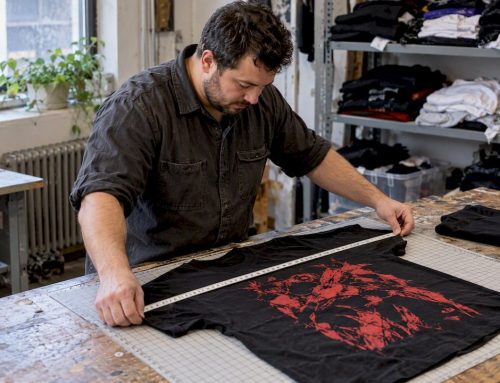
| Use apparel as an engagement tool | Schizophrenic.NYC T-shirts and buttons work as low-pressure conversation starters at tables and volunteer stations, not as a sales pitch. |
Table of Contents
- Mental Health Awareness Month Ideas Anyone Can Run Solo
- Workplace and Business Ideas for Mental Health Month
- Age-Appropriate Ideas for Schools and Youth Programs
- Community and Virtual Event Ideas That Draw a Crowd
- Social Media Campaign Ideas and Hashtag Strategy
- Building a Realistic Timeline and Budget
- Person-First Language and Psychological Safety
- Where to Find the Official Toolkits First
- Wearing Advocacy Well: Apparel as a Conversation Starter
- Small, Repeated Actions Outlast One Big Event
- Bring Schizophrenic.NYC Into Your Event Lineup
- Sources
Mental Health Awareness Month Ideas Anyone Can Run Solo
You don’t need a committee or a budget to make a dent this May. A single social post, a five-minute check-in with a friend, or a walk around the block with a sign can start a conversation that someone needed. Mental Health America’s outreach guidance backs this up: simple individual actions scale surprisingly well once a few people start sharing them.
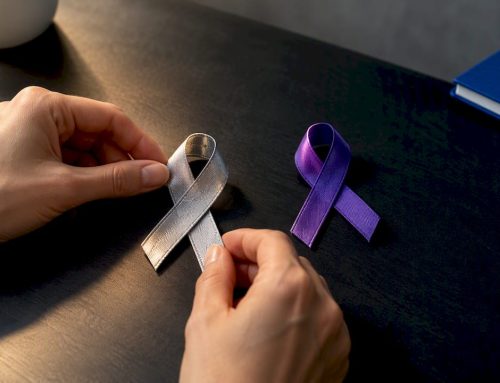
Try a “checkup from the neck up” post: a short, honest note about how you’re actually doing, paired with a link to a free screening tool. Or organize a neighborhood Be Seen in Green day, where you and a few neighbors wear green on the same day and explain why if anyone asks. Story-sharing works too. Ask three people in your circle to share one sentence about a time they asked for help, then compile the responses into a single post.
- Post one honest “how I’m really doing” update with a screening link attached.
- Wear green on a set day and explain the color if someone asks.
- Text three friends the same question: “What’s one small thing that’s helped you lately?”
- Share a single-paragraph story about needing support, yours or someone else’s with permission.
Pro Tip: Pair your action with a small physical item, like a conversation card or an Action Box, because handing someone something tangible lowers the friction to actually engage rather than just scroll past.
Workplace and Business Ideas for Mental Health Month

Employers sit on some of the highest-leverage territory for Mental Health Awareness Month, mostly because people spend so many waking hours at work. The World Health Organization points to structured workplace programs, training, reasonable accommodations, wellness initiatives, as effective levers for supporting employee mental health, and research on workplace interventions reinforces that organized programs tend to improve both well-being and retention.
For small teams, keep it light: a lunch-and-learn with a guest speaker, an anonymous screening station near the break room, or a week-long “Be Seen in Green” push where staff wear green and the company matches donations to a mental health nonprofit. Larger companies can layer in more structure:
- Kick off the month with an all-hands email that links directly to a free screening tool and one weekly theme from the SAMHSA toolkit.
- Run a mid-month wellness challenge (step counts, gratitude journaling, screen-free lunch breaks) with small prizes.
- Close with a Be Seen in Green fundraiser and a short recap email showing participation numbers.
Sample intranet subject line: “Small check, big difference: take two minutes for your mental health this week.” Keep the tone invitational, not mandatory. That distinction matters more than most HR teams realize; a screening table that feels optional gets more honest engagement than one that feels tracked.
- Never require participation in screenings or share individual results; keep everything anonymous and opt-in.
- Signpost struggling employees to Findtreatment or your EAP, not to a manager or HR rep directly.
- Measure success with simple numbers: screening completions, email click-throughs, and informal sentiment from a post-event survey.
Pro Tip: If budget is tight, skip the catered lunch and put that money into printed Action Boxes or branded T-shirts for your volunteer team instead. Visibility travels further than food does.
Age-Appropriate Ideas for Schools and Youth Programs
Younger audiences need activities scaled to their developmental stage, plus a safety net that adults control. Elementary students respond well to art projects, drawing “how I feel today” faces or building a classroom feelings chart. Middle schoolers can handle guided journaling prompts or a short group discussion on what stress feels like in their bodies. High schoolers are ready for a book club chapter, a documentary screening, or a structured panel with a school counselor present.
Every one of these needs a safeguarding layer. Loop in the school counselor before any activity that invites students to share personal struggles, and give a simple content warning before screenings or discussions that touch on self-harm or crisis topics. Educational activity templates built for schools and homes can help you scale this by grade level without reinventing the wheel each year.
- Elementary: a feelings-chart art project with simple, non-clinical language.
- Middle school: a guided journal prompt followed by a small-group share (opt-in only).
- High school: a documentary screening or panel with the counselor present and a content warning up front.
- Adapt examples culturally: swap generic prompts for ones that reflect the languages and backgrounds actually in the room.
Community and Virtual Event Ideas That Draw a Crowd
Public events carry more moving parts than a solo post or a workplace lunch, but they also reach people who would never see your social feed. A community walk, an art show built around lived-experience stories, a panel discussion, or a virtual screening night are all proven formats. Each one needs a checklist before you commit to a date.
- Confirm the venue or permit at least six weeks out, and if you want a landmark lit green for Be Seen in Green, start that request even earlier since many buildings require formal approval on their own schedule.
- Assign volunteer roles for check-in, accessibility support, and crowd flow before the day arrives.
- Add captioning for any virtual portion and confirm the physical route or venue is mobility-friendly.
- Set up a low-barrier donation table, cash, QR code, and a card reader, so giving takes ten seconds, not ten minutes.
- Offer a sensory-quiet space at in-person events for anyone who needs a break from crowds or noise.
- Ask one local business to match donations dollar-for-dollar up to a set amount instead of chasing multiple sponsors.
- Recruit a co-host organization early. Community engagement strategies that pair two organizations tend to double the reach of a solo-hosted event.
Social Media Campaign Ideas and Hashtag Strategy
Your online push should feel like one coherent voice across every channel, not five disconnected posts. Anchor every piece of content to the current weekly theme from the official toolkits, and reuse the same visual style so followers recognize your campaign in their feed.
Sample post copy: “This May, we’re taking two minutes for a checkup from the neck up. Free, private, and it might be the most useful thing you do all day. [link]” Sample email subject line: “One small check-in could change someone’s week.”
Three visual assets worth making ahead of time: a virtual background with your campaign colors, a printable poster sized for breakrooms and community boards, and an Instagram or Facebook story template volunteers can drop their own photo into.
- Use #MentalHealthAwarenessMonth on major posts and #MHAM2026 on time-specific content tied to this year’s campaign.
- Track basic engagement: shares, saves, and click-throughs on your screening or resource link, not just likes.
- Add a content warning before any post referencing suicide, self-harm, or crisis experiences, and link to findtreatment.gov in the caption, not buried in a comment.
Building a Realistic Timeline and Budget
Most Mental Health Awareness Month events fall apart from poor timing, not poor ideas. Give yourself six to eight weeks. Weeks one and two: confirm your venue or permit and lock your theme. Weeks three and four: request any building lighting for Be Seen in Green, since those approvals often move slowly, and finalize partner commitments. Weeks five and six: build your social assets and send the first promotional email. The final week or two: run the event and send a thank-you recap with basic participation numbers.
Budget in three tiers. Free: social posts, an email campaign, a screening link. Low-cost: printed posters, a green lighting request, a small stack of Action Boxes. Paid: a guest speaker, branded T-shirts for volunteers, or a catered community event.
The economic case for this investment is real. The World Health Organization has found that scaling up treatment and care for depression and anxiety produces a return several times the initial investment, a strong argument for any employer weighing whether this month is worth the budget line.
- Weeks 1 to 2: lock venue, permit, and theme.
- Weeks 3 to 4: request lighting approvals, confirm partners.
- Weeks 5 to 6: build assets, send first promo email, run the event, follow up.
Person-First Language and Psychological Safety
Small word choices decide whether someone feels safe enough to speak up or not. Say “a person living with schizophrenia,” not “a schizophrenic.” Say “died by suicide,” never “committed suicide.” These shifts matter because language shapes willingness to seek help, and a room that gets the words right earns trust faster than one that doesn’t.
- Do: “someone experiencing a mental health condition.” Don’t: reduce a person to their diagnosis.
- Do: signpost to findtreatment.gov or an anonymous screening. Don’t: ask someone to disclose in front of a group.
- Moderator script: “You don’t have to share anything you’re not comfortable with. There’s a resource table by the door if you’d rather step away and talk one-on-one.”
Adjust your framing for the audience in the room. A youth panel needs plainer language than a clinical staff training, and cultural context changes which examples land and which fall flat.
Where to Find the Official Toolkits First
Two resources should be the first stops for any organizer. SAMHSA’s toolkit offers key messages, weekly themes, and psychologically safe framing guidance, best for email copy and moderator language. Mental Health America’s planning guide delivers week-by-week themes and downloadable graphics, best for posters and social templates. Its companion action guide centers on “more good days” and points to interactive tools and screenings at mhascreening.org.
- Grab social graphics and posters from the MHA planning guide.
- Grab key messages and safe-language framing from the SAMHSA toolkit.
- Grab screening links from the MHA action guide for tables, emails, and follow-up.
Wearing Advocacy Well: Apparel as a Conversation Starter
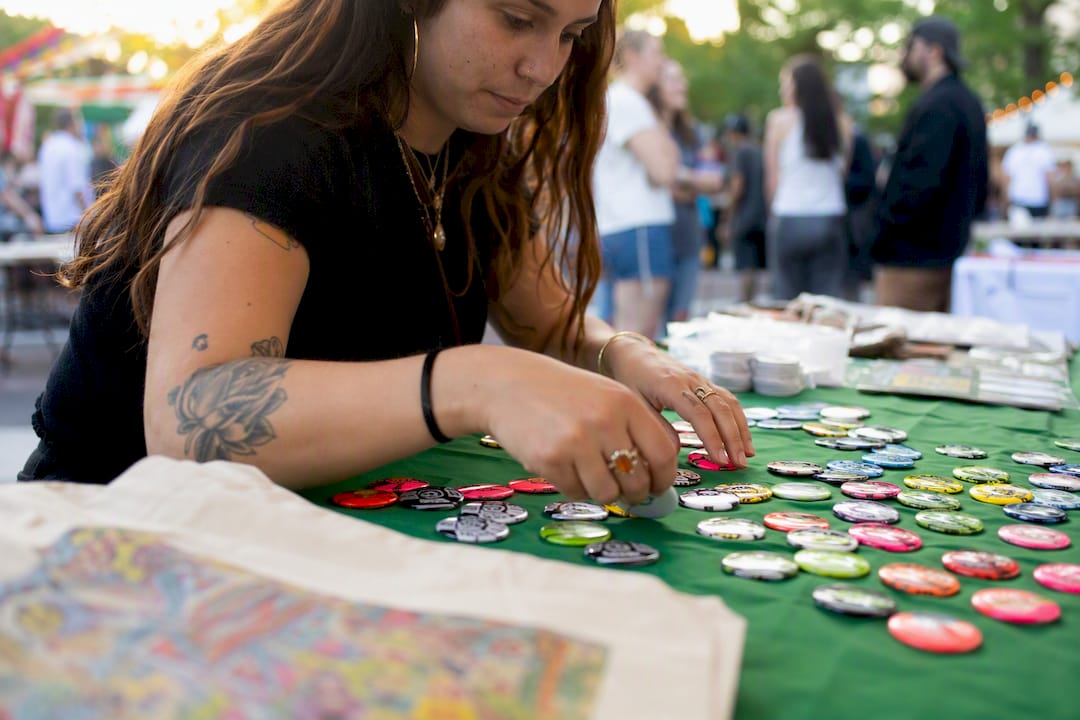
A booth with a few branded T-shirts, buttons, or totes on the table works best when it invites conversation rather than a sales pitch. Someone stops to ask about the design, and that pause is the actual goal. Nobody should feel pressured to buy anything to belong at the table.
Good advocacy apparel keeps its message short, uses a readable font, and avoids punchlines that mock a diagnosis. If proceeds support a cause, say so on a small card, and give visible credit and a mic to people with lived experience instead of letting the merchandise speak for them. Apparel is one entry point among several, not the whole strategy.
- Keep messaging to one clear phrase; readability beats cleverness at a glance.
- Offer a “pay what you can” or donation-based option instead of a fixed price at community tables.
- Give a lived-experience speaker the microphone before the merchandise gets the spotlight.
Pro Tip: A button costs less than a dollar and starts as many conversations as a T-shirt does. Stock a mix of both if your budget is tight.
Small, Repeated Actions Outlast One Big Event

The biggest mistake I see organizers make is treating May as a finish line. One panel, one walk, one green light on a building, and then silence until next year. That pattern misses the point entirely.
What actually works is smaller and less flashy: a monthly check-in email, a quarterly screening table, a repeated prompt asking “how are you, really?” Connection protects people better than a single event ever could, and that only happens through repetition. Keep the toolkits handy, track a couple of simple numbers, and keep showing up after May ends.
Bring Schizophrenic.NYC Into Your Event Lineup

Merch does real work at a table when it’s used right: a stack of T-shirts for volunteers doubles as a walking conversation starter, and a bowl of buttons gives visitors a free, no-pressure way to take a piece of the message home. That is the advantage over a generic printed flyer: apparel gets worn again, long after your event ends, which stretches your reach for free.
Sourcing is simple. Order ahead of your six-to-eight-week planning window so items arrive before your event date, and if you’re running a fundraiser, ask about pairing a percentage of sales with your cause rather than a flat donation ask. Schizophrenic.NYC’s designs come straight from lived experience with schizophrenia, so the message on the shirt or button carries weight beyond decoration.
If you’re weighing what to wear or hand out at your own event, start with the mental health T-shirt collection or browse what to wear to support mental health for ideas that fit your specific event size and budget.
Sources
- Mental Health Awareness Month | SAMHSA
- Mental Health Month 2026 Planning Guide
- Mental health at work
- Pmc
Use #MentalHealthAwarenessMonth and #MHAM2026 across your posts so your campaign connects to the broader national conversation. For deeper how-tos, see fostering open dialogue and reducing stigma on Schizophrenic.NYC.
This article is general information, not a substitute for advice from a qualified doctor. Consult a qualified healthcare professional about your own circumstances before acting on anything here.
Recommended
- But Really is it Mental Health Awareness Month? | Schizophrenic.NYC Mental Health Clothing Brand
- Mental Health Fundraising Ideas 2026: What Works Now
- Mental Health Community Engagement Ideas That Work
- Mental Health Resolutions | Schizophrenic.NYC Mental Health Clothing Brand